
2727 Coworking Article
Modèle de plan de continuité pour petites entreprises à Montréal
Inside this article
- 01Résumé
- 02Introduction et contexte
- 03Ce que contient un plan de continuité minimal viable
- 04Critères de déclenchement liés à l’électricité, à Internet et aux locaux
- 05Personnel, communications et décisions concernant les fournisseurs
- 06Données, appareils et espace de travail de rechange
- 07Un plan d’une page et une feuille de calcul à copier
- 08Analyse des données et éléments probants
- 09Implications et perspectives
- 10Foire aux questions (FAQ)
- 11Conclusion
Résumé
Un plan de continuité des activités pour une petite entreprise à Montréal peut tenir sur une page s’il répond à cinq questions opérationnelles : quel engagement envers la clientèle doit être maintenu, combien de temps chaque activité peut être interrompue, qui décide, quelle solution de rechange sécuritaire est mise en œuvre en premier et à quel moment l’équipe se déplace. Ce rapport fournit un plan à copier, une structure de feuille de calcul et des règles d’activation en cas de panne d’électricité, de panne d’Internet et de locaux inaccessibles. L’approche adapte les recommandations de la Banque de développement du Canada sur la priorisation des services essentiels et les critères de déclenchement, ainsi que la méthode d’analyse des répercussions sur les activités de Sécurité publique Canada. [1] [2]
La décision centrale consiste à fixer un délai cible de reprise inférieur à la durée maximale d’interruption tolérable de chaque processus. Il s’agit de choix d’affaires, et non de moyennes publiées sur les pannes à Montréal. Dans le plan présenté à titre d’exemple, une réponse à un client pourrait tolérer quatre heures d’interruption, tandis qu’un livrable à remettre le jour même en tolérerait une seule ; l’équipe commencerait à utiliser une connexion de secours ou à se déplacer assez tôt pour rétablir le travail avant cette limite. L’Agence de la consommation en matière financière du Canada distingue la durée maximale d’interruption admissible de l’objectif de délai de reprise dans sa propre terminologie de planification. [3] Un guide officiel canadien sur la résilience d’Internet présente l’utilisation d’un téléphone intelligent comme point d’accès mobile et une période de reconnexion manuelle de moins de 30 minutes dans un scénario de petite entreprise, mais ce chiffre est un exemple, et non une cible universelle. [4]
En cas d’interruption de courant, consultez le suivi des pannes d’Hydro-Québec et signalez toute panne non répertoriée au 1 800 790-2424. [5] En cas de danger immédiat, composez le 911 ; le 311 de Montréal traite les demandes relatives aux services municipaux, et le 514 872-0311 est indiqué pour les appels provenant de l’extérieur de Montréal. [6] Quittez un bâtiment lorsque les autorités vous le demandent ou que sa sécurité est incertaine, respectez les périmètres de sécurité et attendez l’autorisation avant d’y retourner. [7] [8]
Un espace de travail de secours n’est utile que si les gens peuvent s’y rendre en toute sécurité, y accéder au moment voulu, disposer d’assez de places et d’espaces privés pour les appels, s’authentifier pour accéder aux données nécessaires et vérifier l’alimentation électrique et la connectivité le jour même. La Chambre de commerce du Canada inclut un lieu de rechange dans son guide de planification de la continuité, tandis que le Centre canadien pour la cybersécurité recommande l’authentification multifacteur et des pratiques d’accès à distance sécuritaires. [9] [10] 2727 Coworking annonce des postes flexibles / hot desks à partir de 300 $ par mois et des bureaux privés à Montréal ; ses pages publiées n’établissent aucune garantie d’intervention en cas de panne, de sorte que toute entreprise qui envisage cette option devrait confirmer directement la disponibilité réelle et les conditions de service. Le modèle devrait être révisé chaque trimestre et mis à l’essai au moyen d’un exercice sur table et d’une tentative de reprise chronométrée. BDC recommande explicitement de faire des essais. [1]
Introduction et contexte
Une panne n’a pas besoin de détruire des dossiers pour empêcher une petite entreprise de respecter un engagement envers un client. Dans un bureau sans électricité, les ordinateurs portables peuvent être chargés alors que le routeur ne fonctionne plus. Un bâtiment fonctionnel peut tout de même être privé d’Internet. Dans une troisième situation, les deux systèmes peuvent fonctionner, mais le personnel ne peut pas entrer dans les locaux. Chacune exige une réponse différente. Le Conseil de la radiodiffusion et des télécommunications canadiennes cite les défaillances techniques et les conditions météorologiques parmi les causes d’interruption des services de télécommunication, mais aucun taux de fréquence ni coût unique ne décrit la situation de toutes les microentreprises montréalaises. [11]
L’unité pratique de planification est un service essentiel, comme répondre aux demandes urgentes des clients, transmettre un dossier dans un délai prescrit, prendre une réservation ou traiter une commande. BDC demande aux organisations de classer les services selon leur caractère critique. [1] Une analyse des répercussions sur les activités, ou BIA, relie chaque service aux effets de son interruption ; le National Institute of Standards and Technology la définit comme l’analyse des fonctions opérationnelles et des effets qu’une perturbation pourrait avoir sur elles. [12] Ici, la BIA est volontairement brève. Le propriétaire consigne l’engagement, la dépendance, l’interruption tolérable, la solution de rechange et la personne qui peut l’activer.
Ce guide s’adresse à un fondateur, à un travailleur autonome, à un gestionnaire de bureau ou à une équipe hybride d’environ une à vingt personnes, à titre d’exemple de planification, et non comme seuil établi dans les recommandations d’une autorité. Il porte sur les premières heures ou les premiers jours d’une interruption et sur la décision de poursuivre, de suspendre les activités, de changer de connexion, de travailler de façon asynchrone ou de se déplacer. Un incident de sécurité nécessite sa propre procédure d’intervention. Sécurité publique Canada décrit la gestion des urgences et la continuité des activités comme des activités de planification complémentaires. [2] Le format d’une page ci-dessous permet de garder à la fois la sécurité du personnel et les engagements envers la clientèle bien en vue, sans laisser entendre qu’un plan satisfait à une condition d’assurance ou à une norme officielle.
Les sources retenues sont volontairement pratiques. Le guide en huit étapes de BDC couvre les activités critiques, les équipes d’intervention, les contacts, les procédures, les critères de déclenchement et les essais. [1] Le guide de continuité de la Chambre de commerce du Canada, hébergé sous un chemin de fichier daté de juillet 2020, mais sans date dans le document lui-même, demande aux entreprises de déterminer les activités critiques pour leur survie et d’envisager un lieu temporaire. [9] Les recommandations du Québec, de Montréal et d’Hydro-Québec, ainsi que les recommandations fédérales en télécommunication et en cybersécurité, fournissent les éléments locaux et techniques. Les seuils et les calculs de ce rapport sont des données fournies à titre d’exemple que le lecteur doit remplacer, et non des mesures de référence tirées de pannes observées.
Ce que contient un plan de continuité minimal viable
Commencez par un engagement envers la clientèle et une limite d’interruption
Écrivez une phrase pour chaque processus essentiel : « Qui attend quoi, et pour quand ? » Une petite entreprise de design pourrait devoir remettre un fichier signé avant une révision contractuelle, tandis que le classement interne courant peut attendre. Le tableau devrait indiquer quel processus peut s’arrêter, pendant combien de temps et quelles pertes en découlent. Sécurité publique Canada recommande de quantifier les répercussions d’une interruption lorsque c’est possible. [2] Le plan public de l’Agence de la consommation en matière financière du Canada définit la durée maximale d’interruption admissible comme la plus longue interruption de service acceptable et l’objectif de délai de reprise, ou RTO, comme le délai dans lequel le service ou la ressource doit être rétabli. [3] Pour une microentreprise, appelez-les « heure limite de reprise tolérable » et « heure cible de reprise ». Fixez la cible avant la limite pour prévoir le déplacement, l’authentification et le travail à refaire.
N’écrivez pas « tout le travail est critique ». Classez les quelques activités qui protègent les clients, le personnel et les flux de trésorerie. Le cadre de BDC utilise les priorités A, B et C pour établir le caractère critique des services essentiels. [1] Un plan peut plutôt utiliser des mots simples : doit se poursuivre aujourd’hui, peut être suspendu jusqu’à demain et peut être reporté. Le classement doit être établi pour un engagement précis envers un client et une charge de travail donnée, puis révisé lorsque cette charge de travail change.
Consignez la chaîne de dépendances
Pour chaque processus, retracez le parcours de la personne au résultat : employé, appareil, alimentation électrique, authentification, fichier ou application, connexion, fournisseur et lieu privé ou physique où travailler. Une solution de « secours » qui dépend du même bâtiment ou réseau indisponible peut ne pas être indépendante. La Cybersecurity and Infrastructure Security Agency demande aux responsables de la planification de déterminer de quels autres services dépend un système de secours. [13] Indiquez le point de défaillance plutôt qu’une étiquette de risque vague. « Impossible d’accéder aux fichiers infonuagiques parce que la connexion Internet du bureau est en panne » donne au propriétaire une action à entreprendre ; « problème technologique » ne le fait pas.
Pour chaque dépendance, consignez une solution manuelle de rechange qui est réellement autorisée. Un formulaire papier de réception des demandes ou une saisie différée par lots peut permettre à un processus administratif à faible risque de se poursuivre pendant une courte période ; le NIST reconnaît explicitement le traitement de rechange ou manuel dans la planification des mesures d’urgence. [14] Ne copiez pas les données des clients sur un appareil personnel non approuvé simplement parce qu’il est disponible. Si les dossiers ne peuvent pas être traités en toute sécurité hors ligne, le processus est suspendu et le client reçoit une nouvelle échéance.
Une entrevue rapide sur les dépendances peut s’appuyer sur ces six questions :
- Personne : Qui peut effectuer le travail, et qui remplace une personne absente ?
- Appareil : Quels appareil et chargeur approuvés sont nécessaires ?
- Données : Quel fichier ou quelle application doit être accessible, et comment l’accès est-il autorisé ?
- Connexion : Quelles connexions principales et de secours testées permettent d’utiliser cette application ?
- Lieu : La tâche nécessite-t-elle une salle sécurisée, du matériel physique ou des places accessibles ?
- Fournisseur : Quel service ou intrant externe doit continuer à fonctionner ?
Déterminez l’autorité d’activation avant la perturbation
Désignez un décideur principal et un remplaçant. BDC recommande un responsable des urgences ayant l’autorité d’agir et demande de désigner les responsables des étapes du plan d’action. [1] Le propriétaire d’une entreprise d’une seule personne assume tout de même un rôle : cette personne a besoin d’une règle écrite précisant quand informer les clients, appeler un fournisseur et cesser de tenter une réparation. Dans une petite équipe plus nombreuse, une deuxième personne devrait pouvoir envoyer le message sur la situation et réserver un lieu sécuritaire lorsque le responsable principal est injoignable. Une seule autorité, un seul remplaçant et une seule heure pour la prochaine mise à jour préviennent les décisions parallèles.
Critères de déclenchement liés à l’électricité, à Internet et aux locaux
La matrice ci-dessous est un exemple de planification. Les délais qu’elle présente sont délibérément des seuils fixés par l’utilisateur, et non des prévisions de rétablissement des services publics. L’équipe devrait remplir les champs à partir de ses propres RTO, de ses temps de déplacement et de ses engagements de service. BDC recommande de définir les conditions qui activent un plan de continuité. [1]
Le tableau 1 transforme trois perturbations courantes du lieu de travail en critères de déclenchement observables et en actions.
| Perturbation | Première vérification et règle de sécurité | Poursuivre ou changer de solution | Critère de déplacement ou de suspension |
|---|---|---|---|
| Électricité seulement | Vérifiez d’abord l’état des personnes et du bâtiment. Consultez le suivi des pannes d’Hydro-Québec et signalez une panne non répertoriée. [5] | Utilisez des appareils chargés pour les tâches hors ligne approuvées ; envoyez un message sur la situation par connexion mobile, si elle est disponible. Le Québec conseille de charger les appareils avant les intempéries annoncées. [7] | Déplacez-vous seulement si un lieu vérifié peut rétablir un processus essentiel avant son RTO. Si le bâtiment n’est pas sécuritaire ou si les autorités ordonnent l’évacuation, quittez les lieux sans égard aux échéances de livraison. [7] |
| Internet seulement | Vérifiez le routeur local et l’état du service du fournisseur au moyen d’une connexion mobile. La page de pannes du fournisseur peut aider à distinguer une défaillance locale d’une panne plus étendue. [15] | Testez un point d’accès mobile approuvé, ou effectuez des tâches non sensibles de façon asynchrone. Les recommandations fédérales sur la résilience incluent un point d’accès sur téléphone intelligent parmi les options pour les petites entreprises. [4] | Si la solution de rechange approuvée ne permet pas d’utiliser le système essentiel à l’heure cible de reprise, activez le lieu de rechange ou suspendez le processus touché et informez les clients. |
| Locaux inaccessibles | Suivez les consignes officielles et respectez les périmètres affichés ; ne tentez pas d’entrer ni de récupérer du matériel. [8] | Utilisez les appareils placés à l’avance ailleurs et l’accès infonuagique autorisé, si cela est sécuritaire et disponible. | Activez un lieu de rechange vérifié si le service dépend d’un lieu physique ; attendez l’autorisation des autorités avant de retourner dans les locaux. [8] |
La distinction essentielle est celle entre le délai de décision et le délai de reprise. Si l’échéance est à 15 h 00 et que le déplacement et l’installation prennent 90 minutes, décider de se déplacer à 14 h 30 est trop tard. Inscrivez les heures de décision dans le plan. Elles devraient être établies à partir des temps de déplacement et des essais de connexion mesurés par l’équipe, plutôt que d’une estimation générique. Lorsqu’il n’existe aucun trajet sécuritaire ni aucun lieu convenable, la réponse prévue consiste à suspendre les activités et à informer les clients.
Lors de l’activation, le responsable de l’incident devrait consigner six brèves entrées dans le journal :
- Début : Consignez le moment où le processus touché s’est réellement arrêté.
- Portée : Nommez le processus et précisez si l’électricité, Internet ou l’accès aux locaux est touché.
- Sécurité : Consignez l’état du personnel et toute consigne officielle avant d’attribuer du travail.
- Limite : Consultez l’heure limite de reprise tolérable du processus et sa cible de reprise antérieure.
- Mode : Choisissez de poursuivre, de suspendre les activités, de changer de connexion, de travailler de façon asynchrone ou de vous déplacer.
- Réévaluation : Indiquez la prochaine heure de décision et la personne qui enverra une mise à jour.
La marche à suivre en cas de panne d’électricité seulement
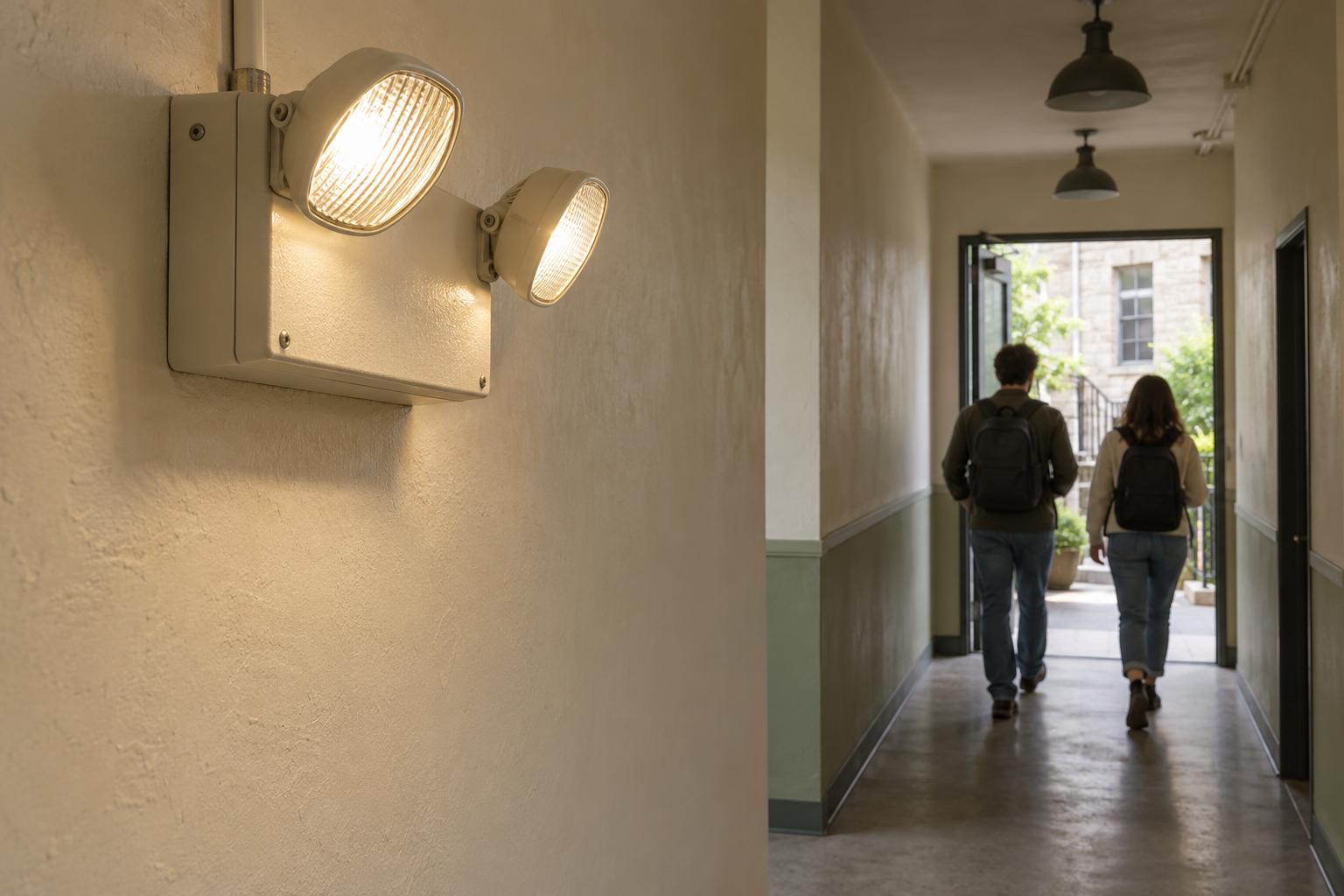
Faites d’abord le point sur la situation des personnes, l’éclairage et les voies de sortie. Les recommandations du Service de sécurité incendie de Montréal précisent que les sorties de secours des entreprises doivent demeurer sécuritaires et dégagées, et traitent de l’éclairage de secours lors d’une panne d’électricité. [16] Vérifiez ensuite si l’interruption touche seulement les locaux ou aussi les environs. Les outils de suivi des pannes d’Hydro-Québec donnent de l’information sur la situation, et la société indique de signaler une panne par téléphone au 1 800 790-2424. [5] Une radio à piles ou un appareil mobile est une option officiellement recommandée pour recevoir les mises à jour pendant une interruption plus étendue. [5] Ne présentez pas une heure estimée de rétablissement comme une promesse lorsque vous établissez les attentes des clients.
La marche à suivre en cas de panne d’Internet seulement
Distinguez une défaillance de l’application d’une défaillance de connectivité en testant un site connu et l’application d’affaires nécessaire au moyen de la connexion de secours. Les recommandations fédérales décrivent l’utilisation d’un point d’accès sur téléphone intelligent et la pratique des employés pour ce cas d’usage ; elles conseillent aussi, lorsque c’est possible, de choisir un fournisseur mobile différent du fournisseur Internet principal. [4] Consignez le résultat réel, notamment si l’authentification multifacteur a fonctionné. Si le bureau utilise la voix sur protocole Internet, ou VoIP, le CRTC avertit que les appels peuvent être impossibles pendant une panne d’électricité ou d’Internet ; maintenez une solution de rechange fonctionnelle pour les appels urgents. [17]
La marche à suivre lorsque les locaux sont inaccessibles
Traitez l’accès comme une décision de sécurité, et non comme un différend sur la productivité. Les recommandations du Québec indiquent d’évacuer lorsque les autorités le demandent ou lorsque la sécurité est menacée, de respecter les périmètres de sécurité et d’attendre l’autorisation avant de revenir. [7] [8] Le plan de continuité suppose donc que les appareils essentiels, les identifiants et les listes de contacts sont accessibles à l’extérieur du bureau. Si le seul ordinateur portable utilisable ou le seul dossier papier demeure à l’intérieur, consignez cette lacune dans les dépendances lors du prochain exercice.
Personnel, communications et décisions concernant les fournisseurs
Une chaîne d’appels pour une à vingt personnes
Désignez un seul responsable pour chaque message et un remplaçant identifié. Le responsable de l’incident annonce le mode de travail et l’heure de la prochaine réévaluation. Le responsable du personnel vérifie la sécurité et la disponibilité des employés ainsi que la façon la plus sécuritaire de travailler. Le responsable de la clientèle repère les échéances et envoie un message sur la situation. Le responsable des technologies teste les accès et la connexion de secours. Le responsable des locaux parle au propriétaire ou au fournisseur de l’espace de travail et confirme toute réservation de rechange. Dans une entreprise d’une seule personne, la même personne peut assumer tous les rôles, mais la liste de vérification évite tout de même d’oublier un groupe de destinataires. La liste de vérification de BDC nomme explicitement le personnel, les clients et les fournisseurs. [18]
Gardez la liste de contacts accessible en cas de défaillance du système habituel. Innovation, Sciences et Développement économique Canada recommande de conserver les coordonnées des collègues, des principaux clients et des fournisseurs de services, ainsi qu’une copie imprimée du plan d’urgence, des listes de contacts et des cartes. [19] Protégez la copie imprimée et limitez son contenu à ce qui est nécessaire. Les recommandations fédérales préconisent aussi de mettre le plan de communication à l’essai. [19] Un plan à deux canaux pourrait commencer par un message à l’équipe et prévoir le texto ou le téléphone comme solution de rechange. Selon les recommandations fédérales, les textos et les courriels peuvent utiliser moins de bande passante que les appels lors d’un événement où les réseaux sont congestionnés. [19]
La fiche de contacts devrait rendre l’ordre des communications évident :
- Personnel : Informez-vous de la sécurité et de la disponibilité avant de poser des questions sur le travail à livrer.
- Services d’urgence : Utilisez le canal officiel approprié lorsqu’une aide immédiate est nécessaire.
- Propriétaire ou exploitant : Demandez les conditions d’accès sécuritaire et la prochaine mise à jour confirmée sur la situation.
- Fournisseur de connexion : Vérifiez ou signalez la panne de service par son canal actuel.
- Client : Précisez l’effet sur un engagement particulier et l’heure de la prochaine mise à jour.
- Fournisseur : Confirmez si un intrant critique peut être livré autrement.
Trois courts modèles de messages
- Personnel : « À [heure], [lieu/processus] est touché. Votre sécurité passe en premier. N’entrez pas dans [zone] avant qu’une autorisation officielle soit donnée. Le mode de travail est [suspension/lieu de télétravail approuvé/lieu de rechange]. Répondez en indiquant en sécurité/besoin d’aide et votre disponibilité d’ici [heure]. Prochaine mise à jour : [heure]. »
- Client : « À [heure], une interruption touche [service]. Votre [livrable/rendez-vous] est [maintenu selon l’échéancier/reporté à l’heure/en attente de confirmation]. Nous vous donnerons une mise à jour d’ici [heure] par [canal]. Communiquez avec [personne désignée] pour tout changement urgent. » Ready.gov souligne que les clients doivent savoir comment une urgence les touche. [20]
- Fournisseur ou propriétaire : « Nous évaluons une interruption qui touche [service/lieu]. Veuillez confirmer [état de la situation, heure estimée de rétablissement si disponible, conditions d’accès sécuritaire, mode de livraison de rechange ou prochaine mise à jour] d’ici [heure]. Notre personne-ressource est [nom, téléphone mobile]. »
N’annoncez pas une heure de rétablissement que personne ne maîtrise. Indiquez quand aura lieu la prochaine mise à jour et ce qui demeure inconnu. Si un fournisseur est essentiel à la livraison, déterminez une deuxième façon d’obtenir cet intrant avant une perturbation. La CISA présente le recours à plusieurs fournisseurs comme une mesure de résilience. [13] Confirmez que le fournisseur de remplacement peut légalement et concrètement effectuer le même travail ; un nom dans une feuille de calcul ne constitue pas à lui seul une solution de rechange testée.
Données, appareils et espace de travail de rechange
Un plan de déplacement commence avant que quiconque prenne la route. Chaque processus essentiel devrait disposer d’un appareil approuvé, d’un moyen d’authentification, d’un accès à la version actuelle du fichier, d’un moyen de communication téléphonique fonctionnel et de l’autorisation d’utiliser le nouveau lieu. Le Centre canadien pour la cybersécurité recommande, lorsque c’est possible, des appareils appartenant à l’entreprise pour le télétravail, l’authentification multifacteur et un réseau privé virtuel lorsque cela convient. [21] [10] Ses recommandations pour les petites organisations demandent si les sauvegardes et le processus de reprise ont réellement été testés. [22] Cet article ne remplace pas un plan d’intervention en cas d’incident de cybersécurité. Ne demandez jamais au personnel d’utiliser un réseau sans fil public non fiable pour du travail confidentiel destiné aux clients.
Évaluez un lieu de rechange comme un lieu précis à un moment précis. Confirmez les heures d’accès, la réservation, la procédure d’arrivée, les places disponibles, l’accessibilité, la confidentialité des appels, l’alimentation électrique, la connexion que le personnel pourra réellement utiliser et si le service dépend de la même zone touchée. Le guide de la Chambre de commerce du Canada inclut la planification d’un lieu temporaire. [9] Les recommandations du NIST sur les mesures d’urgence incluent le temps de déplacement, l’espace de travail, la sécurité, le matériel et les télécommunications parmi les éléments à considérer pour un lieu. [23] Vérifiez si le lieu partage une dépendance touchée. [13] Une réservation réelle ou une entente écrite est plus solide qu’une liste de lieux non vérifiée. Pour planifier un déplacement accessible en transport collectif, la Société de transport de Montréal fournit des outils de planification d’itinéraires et de l’information sur l’état des ascenseurs. (Source: www.stm.info)
Avant de considérer un lieu comme un lieu de reprise, obtenez six réponses :
- Accès : Quelles heures, confirmation de réservation et méthode d’entrée s’appliquent le jour concerné ?
- Capacité : Combien de personnes peuvent y travailler en même temps avec le matériel nécessaire ?
- Confidentialité : Où les appels et les documents confidentiels peuvent-ils être traités de manière appropriée ?
- Connexion : Quel réseau est disponible, et les systèmes d’affaires approuvés peuvent-ils l’utiliser ?
- Continuité : Que dit l’exploitant de l’état actuel de l’alimentation électrique et de la connectivité ?
- Déplacement : Chaque travailleur affecté peut-il se rendre au lieu et l’utiliser de façon sécuritaire et accessible ?
Le tableau 2 est une courte fiche de décision sur les espaces de travail. « Vérifier » signifie interroger l’exploitant et tester les modalités avant d’inscrire le lieu comme lieu de reprise utilisable.
| Option | Modèle ou utilisation documentés | Éléments à vérifier avant l’activation | Pertinence dans le plan |
|---|---|---|---|
| Domicile ou autre lieu de télétravail approuvé | Espace existant ; aucune réservation de place ouverte au public n’est présumée. | Alimentation électrique sécuritaire, connexion testée, confidentialité, accessibilité, appareil approuvé et accès aux données. | Convient lorsque le travail essentiel ne nécessite pas de salle commune et que les conditions de la personne le permettent. |
| 2727 Coworking, Montréal | Le tarif publié des postes flexibles / hot desks commence à 300 $ par mois ; le site présente aussi des postes attitrés et des bureaux privés. | Confirmez une place ou un bureau, le prix actuel, les conditions de réservation, les heures, l’accessibilité, la confidentialité des appels et l’état de l’électricité et d’Internet au moment de l’activation. Les pages citées n’établissent aucune garantie d’alimentation de secours ni de connexion Internet redondante. | Espace de travail de rechange possible si une entente réelle et les vérifications du jour permettent de respecter le RTO du processus. |
| Autre espace de coworking ou bureau avec services réservé | Seule une réservation précise fait partie d’un plan viable. | Confirmez les mêmes éléments opérationnels et d’accès directement auprès de cet exploitant. | Utile lorsque le lieu, la capacité et la confidentialité correspondent aux besoins du processus touché. |
| Locaux d’un client ou bureau d’un partenaire | Exige une autorisation explicite et des conditions de confidentialité convenables. | Confirmez l’autorisation de l’hôte, les places, les contrôles des données, le déplacement et les heures de service. | Peut être utile pour une tâche précise, sans constituer un remplacement général du bureau principal. |
Le prix dans la ligne de 2727 est un tarif mensuel publié pour un poste flexible / hot desk, et non un tarif journalier d’urgence fourni sur demande ni une affirmation que des places sont garanties pendant une panne. Sa visite virtuelle décrit les postes, les bureaux privés et les salles de conférence ; il s’agit d’une description des installations, et non d’une preuve d’alimentation électrique indépendante ou de résilience du réseau. Appliquez la même norme de vérification à chaque fournisseur. Le plan devrait nommer un lieu de rechange principal et un deuxième choix sécuritaire uniquement si les deux ont été vérifiés.
Un plan d’une page et une feuille de calcul à copier
Le bloc ci-dessous est conçu pour être copié dans un document et exporté en PDF d’une page. Remplacez chaque valeur entre crochets. Conservez la copie imprimée ou hors ligne en lieu sûr. Les colonnes de la feuille de calcul qui suivent immédiatement fournissent un registre de travail plus détaillé. Les champs reprennent l’accent mis par les recommandations officielles sur les activités essentielles, les responsables, les contacts, les lieux de rechange, les critères de déclenchement et les exercices. [1] [9] [19]
Plan d’une page, version 2026-09-25
- Entreprise et version : [dénomination légale], [date de version], responsable de la révision [nom].
- Les personnes d’abord : Danger nécessitant une intervention d’urgence : 911. N’entrez pas dans un bâtiment non sécuritaire ou à accès restreint. Confirmez la situation de tous les membres du personnel par [canal] d’ici [heure].
- Autorité décisionnelle : Responsable principal [nom/téléphone mobile] ; remplaçant [nom/téléphone mobile]. Prochaine décision sur la situation [heure].
- Service minimal viable : [engagement envers le client], échéance [heure]. Responsable du processus [nom] ; remplaçant [nom].
- Limites : Durée maximale d’interruption tolérable [heures] ; cible de reprise [heure] ; seuil d’activation [condition observable/heure].
- Dépendances : [personnes, électricité, fournisseur de services Internet, appareil, données, fournisseur, locaux]. Solution de rechange approuvée [action précise].
- Mode de travail : Poursuivre [conditions] ; changer de connexion [conditions] ; travailler de façon asynchrone [tâches] ; suspendre [condition] ; se déplacer vers [lieu vérifié] au plus tard à [heure de décision].
- Lieu de rechange : [adresse/contact/référence de réservation], places [nombre], confidentialité [oui/non], accessibilité [vérifiée], heures [vérifiées], électricité et Internet [date de l’essai].
- Messages : Responsable des messages au personnel [nom] ; responsable des messages aux clients [nom] ; responsable des messages aux fournisseurs/au propriétaire [nom]. Prochaine mise à jour [heure].
- Reprise et retour : Vérifier le service et les données, rapprocher les données du travail manuel avec celles du système, informer les parties prenantes, retourner seulement après autorisation d’accès sécuritaire. Dernier exercice [date] ; lacunes et responsables [liste].
Dans la feuille de calcul, utilisez une ligne par processus plutôt qu’une ligne par aléa. Collez cet en-tête séparé par des virgules dans une feuille de calcul, puis créez une ligne pour chaque processus essentiel de votre entreprise. N’incluez pas les noms des clients ni les identifiants sensibles dans une copie partagée non sécurisée. BDC recommande de prévoir des responsables et des remplaçants dans les plans d’action. [1]
process,owner,alternate,dependency,maximum_tolerable_downtime,recovery_time_target,manual_workaround,data_device_needed,alternate_location,activation_threshold,contact,last_test
Testez le plan deux fois
Le premier essai est un exercice sur table : lors d’une réunion prévue, annoncez que le bureau perd son alimentation électrique, que la connexion Internet principale tombe en panne ou que le bâtiment devient inaccessible. Demandez au responsable de choisir un mode de travail, au responsable de la clientèle de rédiger un message et au remplaçant de trouver le lieu de reprise et les contacts. Consignez les renseignements manquants et désignez un responsable. Sécurité publique Canada recommande de consigner ce qui se produit pendant les exercices, tandis que BDC recommande de faire des essais. [2] [1]
Le deuxième essai est un exercice de reprise chronométré, sans changement risqué en production. Démarrez un chronomètre, demandez à une personne autorisée d’utiliser la connexion ou le lieu de secours, de s’authentifier dans un système d’essai ou un système approuvé à faible risque, de récupérer le bon fichier et d’envoyer un message d’essai sur la situation. Arrêtez le chronomètre lorsque le processus essentiel est réellement utilisable, et non à la fin du déplacement. Consignez la durée, les étapes échouées et les mesures correctives. La révision trimestrielle des contacts et des dépendances est le calendrier proposé dans ce modèle, et non un intervalle imposé par une autorité externe.
Utilisez la même grille d’évaluation pour les deux exercices :
- Délai de décision : Combien de temps s’est écoulé avant que le responsable choisisse le mode de fonctionnement ?
- Portée des communications : Le remplaçant et chaque groupe de destinataires concerné ont-ils reçu un message ?
- Connexion : Un travailleur autorisé a-t-il pu utiliser l’application nécessaire à partir de la solution de rechange ?
- Résultat : L’équipe a-t-elle pu effectuer une tâche représentative à faible risque ?
- Temps écoulé : Le processus était-il utilisable avant sa cible de reprise ?
- Correction : Quelle lacune a un responsable et une échéance ?
Analyse des données et éléments probants
Le modèle quantitatif le plus utile ici est l’exposition propre à l’entreprise, et non une statistique inventée sur les pannes à l’échelle de la ville. Sécurité publique Canada indique qu’une BIA devrait quantifier les répercussions des pertes lorsque c’est possible, et l’Agence de la consommation en matière financière du Canada distingue la durée maximale d’interruption admissible de la cible de reprise. [2] [3] Pour chaque option d’intervention, estimez le nombre d’heures entre l’interruption et le moment où le processus touché peut reprendre avec cette option, en incluant les délais de décision, de déplacement, d’installation et de connexion, lorsqu’ils s’appliquent. Estimez séparément les heures pour l’attente, le changement de connexion et le déplacement ; cessez de compter la durée d’interruption lorsque la solution de rechange rétablit le processus, même si la panne sous-jacente se poursuit. Calculez ensuite les répercussions estimées pour chaque option = marge brute horaire à risque × heures d’interruption prévues pour cette option + coûts de reprise de cette option. Comparez les totaux des options en utilisant le même processus et la même marge horaire. Il s’agit d’une estimation de planification, et non d’une perte assurée, d’un bénéfice comptable, d’une prévision pondérée par la probabilité ou d’une mesure de référence montréalaise.
Le tableau 3 utilise des données hypothétiques transparentes pour illustrer une option d’intervention pour chaque perturbation. Chaque durée d’interruption va du début de l’interruption jusqu’à la reprise du processus avec l’option indiquée, et non jusqu’à la fin de la panne sous-jacente. Aucune probabilité de panne n’y est attribuée. Remplacez les valeurs par les marges observées de l’entreprise, les estimations de durée d’interruption propres à chaque option et les coûts de reprise vérifiés par des essais.
| Scénario hypothétique | Données | Calcul | Décision de planification illustrée |
|---|---|---|---|
| Électricité seulement | Marge brute horaire à risque de 150 $ ; durée prévue d’interruption du processus avec déplacement de 3 heures ; transport et installation de 60 $. | 150 $ × 3 + 60 $ = 510 $. | Si c’est sécuritaire, comparez le coût et le temps du déplacement à la valeur du travail rétabli. |
| Fournisseur de services Internet seulement | Marge brute horaire à risque de 100 $ ; durée prévue d’interruption du processus avec un point d’accès approuvé de 2 heures ; coût des données mobiles approuvées de 20 $. | 100 $ × 2 + 20 $ = 220 $. | Testez d’abord la connexion approuvée ; déplacez-vous seulement si elle ne permet pas de rétablir le processus avant la cible. |
| Locaux inaccessibles | Marge brute horaire à risque de 200 $ ; durée prévue d’interruption du processus avec un lieu de rechange vérifié de 5 heures ; coût du lieu de rechange et du déplacement de 180 $. | 200 $ × 5 + 180 $ = 1 180 $. | La sécurité et les restrictions officielles d’accès priment sur une comparaison monétaire. |
Le calcul met une limite en évidence : la même « panne » coûte des montants différents à des entreprises différentes parce que le processus, l’échéance, la marge et la solution de rechange disponible diffèrent. L’exemple de reconnexion manuelle en moins de 30 minutes du guide fédéral de 2023 sur la résilience d’Internet est utile pour illustrer une approche de conception, mais il ne mesure pas la durée d’interruption des entreprises canadiennes. [4] Une entreprise devrait utiliser son propre exercice chronométré pour estimer les délais de reconnexion et de déplacement. Elle devrait aussi vérifier si un point d’accès et la connexion Internet principale partagent une dépendance, comme le suggère la question de la CISA sur les dépendances des systèmes de secours. [13]
Le tableau des scénarios exclut volontairement toute fréquence de panne spéculative. Sans jeu de données locales pertinent provenant de son producteur et sans modèle correspondant d’exposition de l’entreprise, multiplier une fréquence généralisée par ces valeurs laisserait entendre une précision que les éléments probants ne justifient pas. La mesure la plus utile pour agir est l’écart entre l’heure limite de reprise tolérable et l’heure de reprise mesurée lors des essais. Si cet écart est négatif, changez la solution de rechange, avancez le seuil d’activation ou renégociez l’engagement envers le client avant de vous fier au plan.
Implications et perspectives
Un plan de continuité pour une microentreprise devrait changer lorsque ses dépendances opérationnelles changent. Une nouvelle application infonuagique, un nouveau fournisseur, une nouvelle organisation des bureaux, un nouveau besoin de mobilité ou une nouvelle plage de service à la clientèle peut invalider un essai auparavant réussi. BDC recommande des mises à jour régulières, et le Centre canadien pour la cybersécurité demande explicitement si les processus de sauvegarde et de reprise ont été testés. [1] [22] Révisez les contacts et les dépendances chaque trimestre, et répétez l’exercice chronométré après un changement important. Cette cadence est un choix pratique du modèle ; les sources n’imposent pas de règle trimestrielle universelle.
Le suivi propre à Montréal a sa place dans le plan comme moyen d’obtenir de l’information à jour, et non comme prévision statique. Le Québec recommande de s’inscrire aux alertes municipales ; Montréal offre des avis par courriel ou par texto et permet aux abonnés d’enregistrer jusqu’à cinq adresses, dont celle d’un lieu de travail. [7] [24] Le suivi des pannes d’Hydro-Québec et le canal d’information sur l’état du service du fournisseur Internet utilisé devraient être consultés pendant un événement. [5] [15] Si une alerte officielle donne des consignes de sécurité, suivez-les avant d’appliquer une règle de reprise des activités.
Le marché des espaces de travail de rechange peut être utile à une petite équipe, mais le plan devrait traiter chaque lieu comme un ensemble de dépendances. L’adresse d’un espace de travail ne suffit pas à établir la disponibilité des places, une alimentation électrique ininterrompue, un réseau indépendant, la confidentialité des appels ou un déplacement sécuritaire. La Chambre de commerce du Canada demande aux responsables de la planification d’évaluer un lieu temporaire, tandis que la CISA attire l’attention sur les dépendances des solutions de secours. [9] [13] La prochaine révision du plan d’une petite entreprise devrait donc contenir une procédure de réservation testée, un appel de vérification le jour même, une méthode de connexion approuvée et une personne désignée qui peut plutôt décider de suspendre les activités. Cela constitue une capacité de secours plus utile qu’une liste d’adresses.
Foire aux questions (FAQ)
Que devrait comprendre une liste de vérification de la continuité des activités pour une entreprise montréalaise ?
Elle devrait préciser les processus essentiels et leurs responsables, la durée maximale d’interruption tolérable, les cibles de reprise, les dépendances, les solutions manuelles de rechange, les critères d’activation, les contacts du personnel et des clients, un lieu de rechange sécuritaire et le résultat du dernier essai. Les étapes de planification de BDC et le guide de la Chambre de commerce du Canada appuient ces éléments. [1] [9] Le plan d’une page ci-dessus est un document de départ ; la feuille de calcul contient les détails de chaque processus.
Un plan en cas de panne d’électricité diffère-t-il d’un plan en cas de panne d’Internet ?
Oui, parce qu’une panne d’électricité peut toucher l’éclairage, la sécurité du bâtiment, les chargeurs et le matériel réseau, tandis qu’une panne d’Internet seule peut laisser les locaux utilisables. Hydro-Québec fournit de l’information sur l’état des pannes et leur signalement, et les recommandations fédérales sur la résilience présentent un point d’accès mobile comme une solution de rechange possible pour la connectivité. [5] [4] Dans les deux cas, l’entreprise applique sa propre cible de reprise et confirme que la solution de rechange permet réellement d’utiliser l’application requise.
Quand une petite équipe devrait-elle se déplacer ?
Déplacez-vous lorsque le lieu principal ne permet pas d’exécuter un processus essentiel en toute sécurité, que le lieu de rechange vérifié peut rétablir ce processus avant sa cible et que les personnes peuvent se déplacer en toute sécurité. Si l’accès au bâtiment est restreint, respectez le périmètre et attendez l’autorisation avant d’y retourner. [8] Le déplacement est inutile si le télétravail approuvé ou une solution de rechange asynchrone permet de respecter l’engagement, et il est inapproprié lorsqu’aucun lieu sécuritaire et convenable n’est disponible.
Quel numéro le personnel devrait-il composer à Montréal ?
En cas de danger immédiat, Montréal demande de composer le 911. La Ville indique le 311 pour les questions relatives aux services municipaux et le 514 872-0311 pour les appels provenant de l’extérieur de Montréal. [6] Hydro-Québec indique le 1 800 790-2424 pour signaler une panne. [5] Le plan devrait aussi contenir les coordonnées réelles du propriétaire, du fournisseur Internet, des clients et de l’espace de travail de rechange. Révisez ce bloc de coordonnées établi au 2026-09-25 avant d’utiliser le modèle ultérieurement.
Conclusion
Le modèle de plan de continuité pour petites entreprises à Montréal utilisable est un registre de décisions, et non un inventaire générique d’aléas. Il commence par un engagement essentiel envers un client et une durée maximale d’interruption. Il fixe une cible de reprise antérieure à cette limite, détermine la dépendance exacte qui peut interrompre le travail et indique à une personne quand poursuivre, suspendre les activités, changer de connexion, travailler de façon asynchrone ou activer un lieu de rechange sécuritaire. Les cadres de référence mettent l’accent sur les activités critiques, les critères d’activation, les responsables, les contacts, la planification des lieux de rechange et les essais. [1] [9]
Le plan devrait être utilisable lorsque les systèmes habituels du bureau sont indisponibles. Conservez une copie approuvée et accessible des contacts et des décisions ; exercez-vous à utiliser la connexion et le lieu de rechange ; testez l’authentification et l’accès aux données ; et communiquez aux clients une heure précise pour la prochaine mise à jour. Utilisez la formule monétaire fournie à titre d’exemple pour comparer les options à partir des données propres à l’entreprise. Elle ne peut ni prévoir une panne ni justifier l’entrée dans un bâtiment à accès restreint. Les trois lignes de scénarios montrent comment évaluer une perturbation de l’électricité, d’Internet ou de l’accès aux locaux sans inventer de fréquence.
La version la plus solide est assez courte pour qu’un fondateur puisse l’utiliser sous pression et assez précise pour qu’un autre membre de l’équipe puisse l’exécuter. Remplissez les champs entre crochets, vérifiez directement tout espace de travail de rechange, effectuez les deux exercices, consignez les lacunes et leurs responsables, et révisez le plan chaque trimestre. Si le prochain essai montre que la reprise prend plus de temps que la cible établie, révisez le critère de déclenchement ou l’engagement envers le client avant la prochaine interruption. [1] [2]
Sources externes (24)
À propos de
2727 Coworking
Trouvez un lieu de travail pratique chez 2727 Coworking à Montréal. Découvrez les bureaux privés, les espaces à la journée et la salle de réunion, ainsi que les services d’adresse d’affaires et de boîte postale virtuelle pour votre entreprise.
2727 Coworking est un espace de travail et un fournisseur d’adresse d’affaires à Montréal. Nous accueillons les personnes qui ont besoin d’un endroit pour se concentrer, se réunir, gérer une petite entreprise ou établir une présence postale professionnelle. Notre site présente de l’information en français et en anglais sur les formules de travail et les services, en plus de ressources éducatives sur l’exploitation d’une entreprise au Canada.
Un espace qui s’adapte à la journée
Les formules comprennent des bureaux privés, des passes journalières et des postes de travail, ainsi qu’une salle de réunion. Ces formats permettent aux personnes et aux équipes de comparer un bureau dédié avec des façons plus souples de travailler ou de tenir une réunion. Les membres potentiels peuvent explorer la visite virtuelle, consulter les tarifs en vigueur et réserver une visite avant de choisir.
Adresses d’affaires et courrier
2727 Coworking offre des services d’adresse d’affaires et de boîte postale virtuelle. Nos ressources expliquent les documents et les questions pratiques en jeu, y compris pour les personnes établies à l’extérieur du Canada. L’admissibilité au service, les fonctionnalités incluses, la disponibilité et les modalités d’accès doivent être confirmées sur la page de service applicable ou auprès de notre équipe.
Ressources pour les PME canadiennes
Nous publions des guides, des recherches et des outils de planification sur les choix d’espace de travail, les adresses d’affaires et le démarrage d’une entreprise au Canada. Nos recherches sur l’incorporation couvrent les personnes établies au Canada comme à l’étranger, avec du matériel propre à chaque juridiction pour aider les lecteurs à cerner les prochaines questions à approfondir. Ces ressources éducatives complètent les services d’espace de travail et d’adresse; elles ne constituent pas un avis juridique, fiscal ou en immigration personnalisé.
Visitez ou contactez 2727 Coworking
Découvrez les bureaux privés, les passes journalières et postes de travail, la salle de réunion, les adresses d’affaires et les boîtes postales virtuelles. Réservez une visite ou contactez l’équipe pour discuter de vos besoins.
Une adresse d’affaires ne confère à elle seule ni résidence fiscale, ni statut d’immigration, ni approbation bancaire, ni admissibilité à un programme gouvernemental.
Avis de non responsabilité
Ce document est fourni à titre informatif uniquement. Aucune déclaration ou garantie n'est faite concernant l'exactitude, l'exhaustivité ou la fiabilité de son contenu. Toute utilisation de ces informations est à vos propres risques. 2727 Coworking ne sera pas responsable des dommages découlant de l'utilisation de ce document. Ce contenu a été généré avec l'aide d'outils d'intelligence artificielle, qui peuvent contenir des erreurs ou des inexactitudes. Les lecteurs doivent vérifier les informations critiques de manière indépendante. Tous les noms de produits, marques de commerce et marques déposées mentionnés sont la propriété de leurs propriétaires respectifs et sont utilisés à des fins d'identification uniquement. L'utilisation de ces noms n'implique pas l'approbation. Ce document ne constitue pas un conseil professionnel ou juridique. Pour des conseils spécifiques liés à vos besoins, veuillez consulter des professionnels qualifiés.