Coworking in Montreal's Sud-Ouest Borough: The Complete Guide to Working Along the Lachine Canal
Montreal's Sud-Ouest borough has quietly become the city's most compelling corridor for flexible workspace. Stretching along the Lachine Canal from the Old Port to the borough of Lachine, this collection of revitalized industrial neighborhoods, Griffintown, Saint-Henri, Little Burgundy, Pointe-Saint-Charles, and Ville-Emard, offers professionals something that no downtown office tower can: converted heritage buildings with soaring ceilings and massive windows, direct access to one of North America's most beautiful urban waterways, a creative and entrepreneurial community that has been growing exponentially for two decades, and workspace pricing that undercuts downtown by 15-40%.
This guide provides an exhaustive analysis of the Sud-Ouest borough as a coworking destination, examining each neighborhood's character, infrastructure, and professional community in the context of what matters most to professionals choosing where to work.
Executive Summary
The Sud-Ouest borough represents Montreal's most dynamic workspace market. Key findings:
The Sud-Ouest borough experienced population growth of 36.7% between 2011 and 2021, far outpacing the Montreal metropolitan area average of 8.6%, driven primarily by young professionals aged 25-44 who are the core demographic for coworking space [1]
The borough contains five metro stations on the Green and Orange lines (Lionel-Groulx, Place-Saint-Henri, Charlevoix, Jolicoeur, and LaSalle), with the Lionel-Groulx interchange providing connection between the two busiest metro lines. The future REM Griffintown-Bernard Landry station will add rapid transit to the South Shore, airport, and West Island [2]
Commercial rents in the Sud-Ouest corridor average $18-$28/sq ft per year, compared to $35-$55/sq ft in downtown Montreal, creating the affordability advantage that attracts startups, creative businesses, and independent coworking operators [3]
The Lachine Canal bike path, a 14.5 km car-free corridor running the full length of the borough, provides year-round active transportation infrastructure that connects all five neighborhoods and is complemented by dense BIXI bike-share coverage [4]
The borough's inventory of converted industrial buildings, some dating to the 1850s, provides workspace environments with natural light, architectural character, and spatial qualities that cannot be economically reproduced in new construction [5]
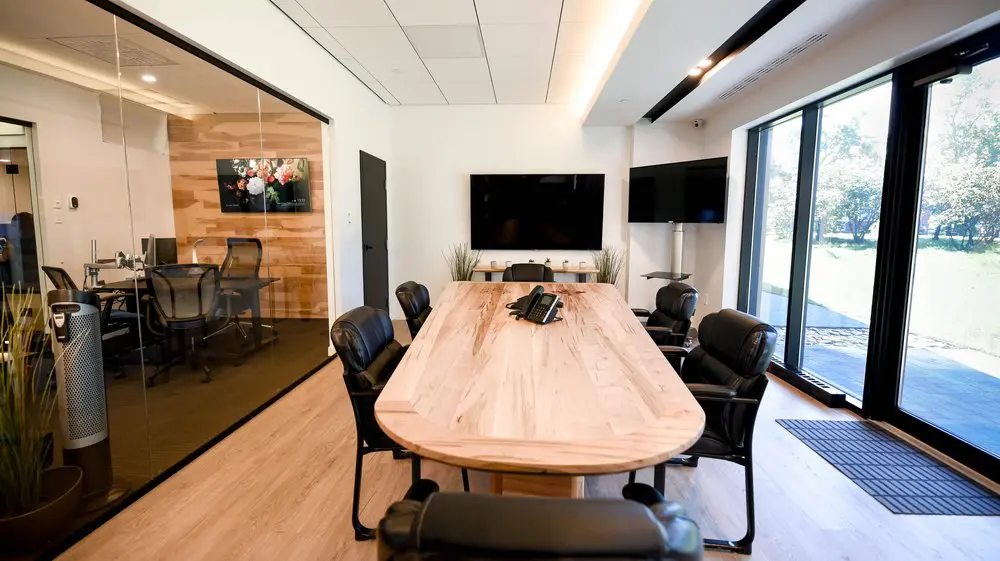
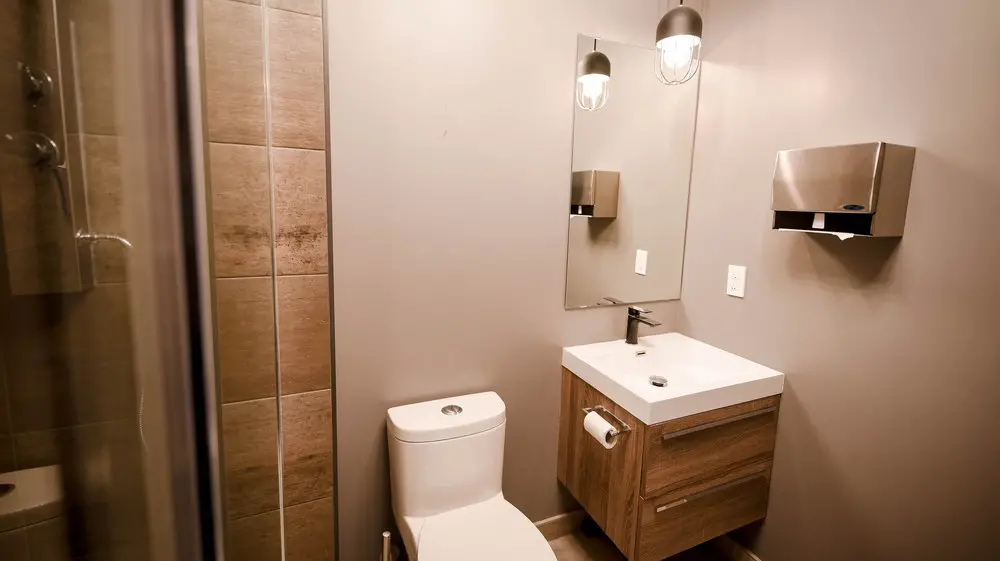
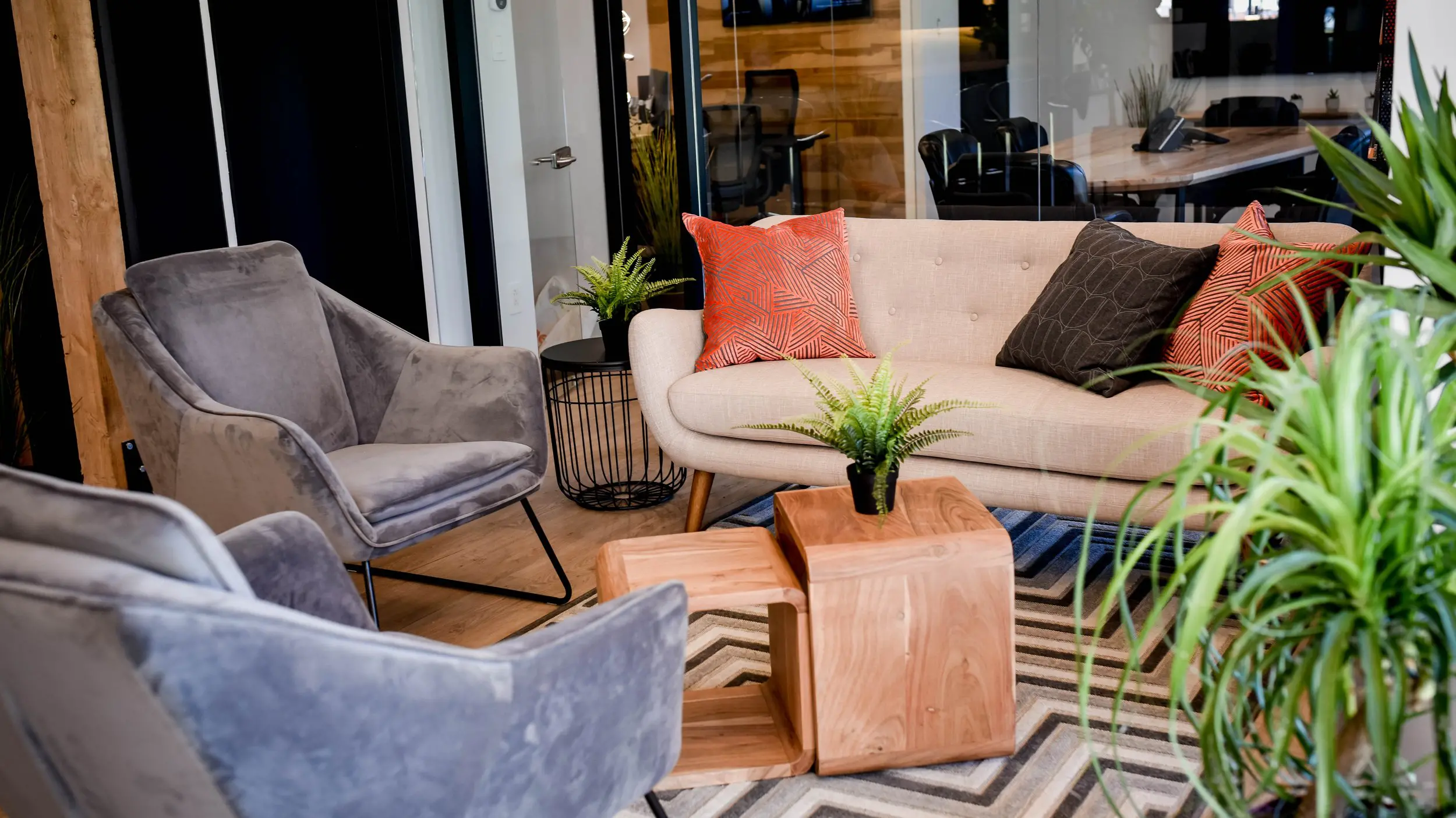
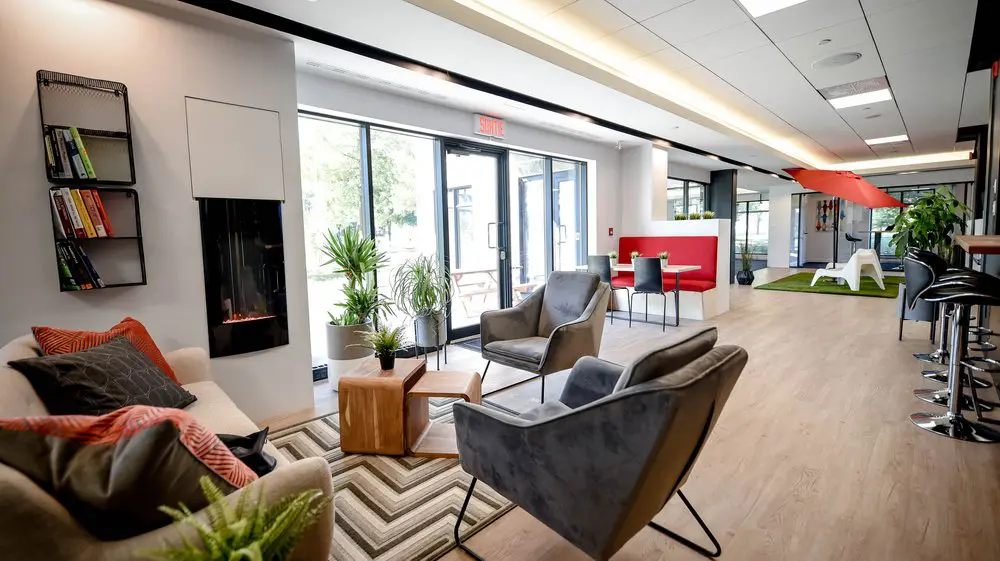
2727 Coworking space, 2727 Saint-Patrick, Montreal
The Lachine Canal: The Spine of Montreal's Innovation Corridor
A Canal That Built a City
The Lachine Canal is not merely a scenic amenity; it is the single most important piece of infrastructure in Montreal's industrial history. Opened in 1825 to bypass the Lachine Rapids on the St. Lawrence River, the canal transformed Montreal from a trading post into an industrial powerhouse. Factories, foundries, flour mills, breweries, machine shops, and warehouses lined both banks, using the canal for transportation and, critically, for hydropower. The canal's locks and hydraulic works created the mechanical energy that powered Canada's first industrial revolution [5].
At its peak in the early 20th century, the Lachine Canal corridor employed tens of thousands of workers in industries ranging from steel fabrication to sugar refining. Neighborhoods on both banks, Griffintown, Saint-Henri, Pointe-Saint-Charles, and Ville-Saint-Paul, were defined by this industrial economy: working-class communities of modest row houses clustered around the factories that employed their residents [6].
The opening of the St. Lawrence Seaway in 1959 rendered the canal obsolete for commercial shipping. Factories closed, population declined, and the canal corridor entered a long period of neglect that lasted nearly four decades. The canal itself was closed to navigation in 1970.
The Canal Renaissance
The transformation began in 1997 when Parks Canada began restoring the canal for recreational use, reopening it to navigation in 2002. The simultaneous development of the canal-side bike path, which would eventually become one of the most popular cycling routes in Canada, catalyzed a wave of residential and commercial development that continues today.
The canal's rehabilitation created a 14.5 km linear park running from the Old Port (Bassin Peel) to the Borough of Lachine, connecting all five neighborhoods of the Sud-Ouest borough along a continuous green corridor. This infrastructure investment, the canal path, the parks, the locks, the interpretive installations, created the preconditions for everything that followed: the condo development, the restaurant corridor, the tech companies, and the coworking spaces [7].
Today, the Lachine Canal corridor is recognized as a National Historic Site of Canada, a designation that protects its heritage character while allowing adaptive reuse of the industrial buildings along its banks. This protection ensures that the architectural qualities that make the corridor attractive for coworking, the massive windows, high ceilings, exposed brick, and heavy timber, will be preserved for future generations.
Why Water Matters for Workspace
The canal's impact on the coworking experience extends beyond aesthetics. A growing body of research in environmental psychology documents the "blue space effect": proximity to bodies of water is associated with reduced stress, enhanced mood, and improved cognitive function. The BlueHealth research project, a pan-European initiative funded by the EU's Horizon 2020 program, found that time spent near water reduces cortisol levels by 15-20% compared to equivalent time in urban environments without water access [8].
For professionals who spend 8-10 hours per day at their desks, the ability to step outside during a break and walk along a tree-lined canal path provides measurably more cognitive restoration than a walk through downtown streets. This is not a marginal benefit: research on attention restoration theory has demonstrated that natural environments, particularly those containing water, allow the directed attention used for focused work to recover more completely than urban environments [9].
The Five Neighborhoods: A Professional's Guide
The Sud-Ouest borough comprises five distinct neighborhoods, each with its own character, infrastructure, and professional community. Understanding these differences is essential for choosing the right coworking location.
Griffintown
Character: Montreal's most dramatic urban transformation. Former industrial wasteland turned innovation district, with gleaming new condo towers rising beside converted industrial buildings. The youngest neighborhood by median age, with the highest concentration of technology workers.
Population growth: 642% between 2011 and 2021, the fastest in the Montreal metropolitan area [10]
Metro access: Charlevoix (Green Line), 5-minute walk; Lionel-Groulx (Green/Orange interchange), 11-minute walk
Character: The borough's cultural heart. A long-established working-class neighborhood that has undergone significant gentrification since 2010, Saint-Henri retains a distinct village-like identity with its own main street (Notre-Dame West), historic market square, and deeply rooted francophone community. The neighborhood's commercial strip along Notre-Dame West has become one of Montreal's most acclaimed restaurant corridors.
Population: Approximately 25,000, with a median age slightly higher than Griffintown and a more balanced demographic mix of young professionals, families, and long-term residents
Metro access: Place-Saint-Henri (Orange Line), providing direct service to downtown, the Plateau, Laval, and the broader metro network
Coworking options: IDEAL Coworking (Chateau Saint-Ambroise complex, among the most affordable in the corridor), Nuage B (community-focused former factory space)
Food and amenities: Notre-Dame West restaurants, Marche Saint-Henri, independent boutiques, the Falaise Saint-Jacques ecological corridor [11]
Best for: Professionals who value neighborhood character, walkability, francophone culture, and the most affordable coworking options in the corridor
Pricing: Day passes $20-$25; monthly hot desk $215-$400; some spaces offer 24/7 access at entry-level pricing
Little Burgundy (Petite-Bourgogne)
Character: Montreal's historic Black community, home to jazz clubs and cultural institutions since the early 20th century. Little Burgundy has undergone significant transformation while retaining cultural anchors like the Negro Community Centre (now the NCC Centre) and the annual Saint-Henri Art Walk that extends into the neighborhood. The residential streets feature a mix of Victorian-era row houses and modern infill development.
Population: Approximately 12,000, with a diverse demographic that includes long-established community members, recent immigrants, and young professionals attracted by the neighborhood's cultural richness and relative affordability
Metro access: Georges-Vanier (Orange Line) and Lionel-Groulx (Green/Orange interchange) are both within walking distance
Food and amenities: Joe Beef (one of Canada's most acclaimed restaurants), Liverpool House, Mon Lapin, and a growing number of cafes and bakeries along Notre-Dame West. The Atwater Library provides a cultural anchor.
Best for: Professionals in creative industries, those who value cultural diversity and neighborhood character, and those who need Orange Line access to downtown or the broader metro network
Pricing: Limited dedicated coworking options; most professionals use spaces in adjacent Griffintown or Saint-Henri, both within a 10-15 minute walk
Pointe-Saint-Charles
Character: The most historically intact neighborhood in the Sud-Ouest corridor. Pointe-Saint-Charles (known locally as "The Point") was built around the Grand Trunk Railway yards and the Lachine Canal locks. It retains a strong working-class identity, active community organizations, and a built environment that has resisted the condo development pressuring other canal-side neighborhoods. The neighborhood is experiencing the early stages of creative-economy growth, with artists, makers, and small technology companies occupying former industrial spaces at rents that remain the lowest in the corridor [12].
Population: Approximately 15,000, with strong community institutions and a tradition of civic engagement
Metro access: Charlevoix (Green Line) serves the northern edge; LaSalle station (Green Line) provides access to the southern portion
Food and amenities: Emerging restaurant scene, community gardens, Wellington Street commercial corridor, the Lachine Canal locks and interpretive center
Best for: Artists, makers, early-stage entrepreneurs seeking the most affordable rents in the canal corridor; professionals who value community character over polish
Pricing: The lowest commercial rents in the corridor, making it attractive for artists and very early-stage businesses. Limited formal coworking, though the neighborhood's industrial buildings offer potential for future development
Character: The quietest and most residential neighborhood in the Sud-Ouest borough. Ville-Emard sits south of the canal corridor, removed from the industrial heritage that defines the other four neighborhoods. It offers a suburban-village feel within the city, with tree-lined residential streets, local shops, and a community center.
Metro access: Jolicoeur (Green Line) provides direct service to downtown and the rest of the Green Line
Best for: Professionals who live in Ville-Emard or the adjacent Cote-Saint-Paul and want a short commute to coworking spaces in Griffintown or Saint-Henri (10-15 minutes by metro or bike)
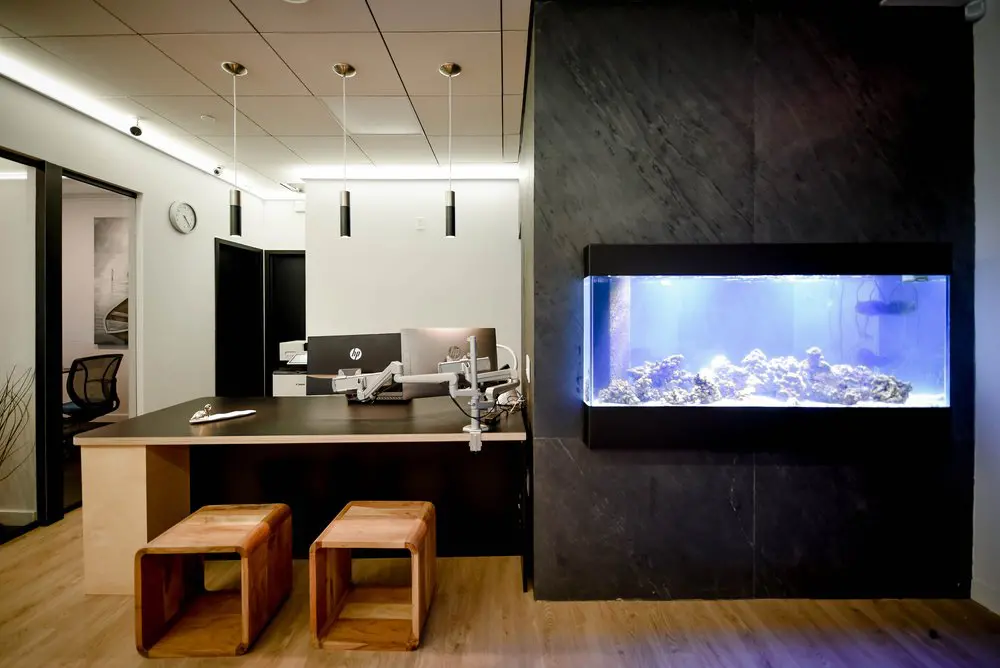
2727 Coworking space, 2727 Saint-Patrick, Montreal
Transit Infrastructure: Getting to and Around Sud-Ouest
Metro Network
The Sud-Ouest borough is served by five metro stations across two lines, providing some of the best transit connectivity of any Montreal borough outside downtown:
Green Line stations:
Charlevoix: Serves Griffintown and the northern edge of Pointe-Saint-Charles. The primary station for most canal-side coworking spaces. A 5-minute walk to 2727 Coworking at 2727 Saint-Patrick Street [14]
LaSalle: Serves southern Pointe-Saint-Charles and the canal locks area
Jolicoeur: Serves Ville-Emard and Cote-Saint-Paul
Orange Line stations:
Lionel-Groulx: The critical Green/Orange Line interchange. Located at the boundary of Griffintown and Little Burgundy, this station connects the Sud-Ouest corridor to virtually every part of the metro network. An 11-minute walk to most Griffintown coworking spaces
Place-Saint-Henri: Serves the heart of Saint-Henri, directly on the Notre-Dame West commercial corridor. Walking distance to IDEAL Coworking and Nuage B
The Reseau express metropolitain (REM), Montreal's new automated light metro system, will include a station at Griffintown-Bernard Landry that will dramatically expand the catchment area for Sud-Ouest coworking spaces:
South Shore (Brossard, Rive-Sud): Direct rapid transit connection, eliminating the multi-transfer journey currently required. This opens Sud-Ouest coworking to the large professional population living south of the St. Lawrence River
Montreal-Trudeau Airport (YUL): Direct service to the airport, making Sud-Ouest coworking accessible for business travelers and international visitors
West Island: Service to Sainte-Anne-de-Bellevue and intermediate stations, connecting the suburban West Island to the canal corridor
The REM station is projected to increase property values and commercial activity in the Griffintown area, further reinforcing the neighborhood's position as the commercial center of the Sud-Ouest corridor [2].
Cycling Infrastructure
The Sud-Ouest borough has the best cycling infrastructure of any area in Montreal, with a Bike Score of 96 in Griffintown:
Lachine Canal Path: A 14.5 km dedicated, car-free cycling corridor that runs the entire length of the borough, from the Old Port to Lachine. This path is the spine of the Sud-Ouest cycling network, providing safe, flat, scenic cycling that connects all five neighborhoods
De Maisonneuve bike path: Connects the canal corridor to downtown and eastward
Year-round BIXI: Montreal's bike-share system now operates year-round, with 2,300+ bikes and 234 stations available even during winter months. Dense BIXI coverage throughout Sud-Ouest means that a station is within a 2-minute walk of virtually any point in the borough [16]
Protected lanes: Multiple protected bike lanes on streets throughout the borough complement the canal path
A comprehensive analysis of Montreal's cycling infrastructure and its implications for commuters is available in our guide to Montreal's bike-to-work culture.
Driving and Parking
While the Sud-Ouest borough excels in transit and cycling, it also offers meaningful advantages for drivers compared to downtown:
Highway access: Direct access to Autoroute 15 (Decarie) and Autoroute 20, connecting to the broader highway network
Street parking: More available and less expensive than downtown. Typical daily rates: $10-$15 vs. $25-$35 downtown
Client accessibility: For professionals who receive clients who drive, the borough's parking availability is a significant practical advantage
Commute cost savings: A comprehensive analysis of Montreal commuting costs found that Sud-Ouest residents save $1,800-$3,600 per year on transportation compared to equivalent downtown commuters [17]
The Industrial Heritage Advantage
Why Old Buildings Make Better Workspaces
The Sud-Ouest corridor contains the densest concentration of converted industrial buildings in Montreal, and this architectural heritage provides measurable workplace advantages that new construction cannot replicate:
Natural Light
The factories and warehouses that line the Lachine Canal were designed to illuminate manufacturing floors before the widespread adoption of electric lighting. This meant massive, multi-pane windows on every exterior wall, often stretching from near floor level to the ceiling. These windows provide a quality and quantity of natural light that purpose-built office towers cannot match.
Research published in the Journal of Clinical Sleep Medicine documented that workers in well-daylit offices sleep 46 minutes more per night and report 15% higher quality of life scores than those in artificially-lit environments [18]. In Montreal, where winter daylight hours drop to just 8.5 hours, this advantage becomes critical for maintaining productivity and wellbeing through the long winter months.
Ceiling Height and Cognitive Performance
The Sud-Ouest's industrial buildings typically feature ceiling heights of 12-16 feet, compared to 8-9 feet in standard office construction. Research in environmental psychology has demonstrated that higher ceilings promote more abstract, creative thinking, a phenomenon known as the "cathedral effect." A study published in the Journal of Consumer Research found that subjects in rooms with higher ceilings scored significantly better on tasks requiring creative problem-solving and abstract thinking [19].
Thermal Mass and Energy Efficiency
The heavy masonry construction of canal-side industrial buildings, brick walls two to three feet thick, stone foundations, timber frames, provides natural thermal regulation. These buildings absorb heat during warm periods and release it slowly, moderating temperature swings and reducing energy consumption for heating and cooling. This thermal mass contributes to a more stable, comfortable indoor environment than lightweight modern construction.
Acoustic Qualities
Thick masonry walls and heavy timber floors provide natural sound insulation that open-plan modern offices lack. In coworking environments, where noise management is a persistent challenge, the inherent acoustic qualities of industrial buildings contribute significantly to the ability of members to focus.
Notable Industrial Buildings in the Corridor
The Sud-Ouest corridor contains several landmark industrial buildings that have been or are being adapted for modern commercial use:
Nordelec Building (Pointe-Saint-Charles): A massive former Northern Electric (now Nortel) manufacturing complex that has been converted into loft-style offices, studios, and commercial spaces. At over 1 million square feet, it represents one of the largest adaptive reuse projects in Canadian history [20]
Chateau Saint-Ambroise (Saint-Henri): A beautifully restored industrial complex that houses multiple businesses including IDEAL Coworking, maintaining its heritage character while providing modern workspace
Canada Malting Silos (Saint-Henri/Griffintown): Iconic concrete grain elevators on the canal bank that have become symbols of the corridor's industrial heritage and are the subject of ongoing adaptive reuse discussions [21]
2727 Saint-Patrick (Griffintown): A canal-side industrial building that houses 2727 Coworking, featuring the massive windows and high ceilings characteristic of the corridor's heritage construction
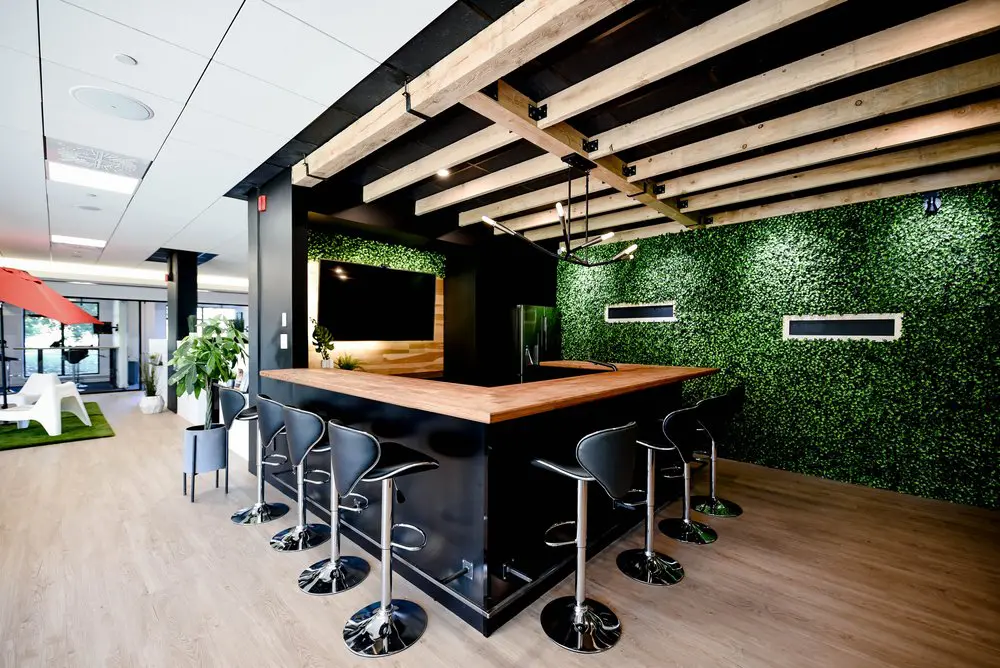
2727 Coworking space, 2727 Saint-Patrick, Montreal
The Economics of Working in Sud-Ouest
Cost Advantage Over Downtown
For professionals and businesses choosing where to establish their workspace, the Sud-Ouest corridor offers a compelling cost advantage compared to downtown Montreal:
Beyond coworking membership, the daily cost of working in the Sud-Ouest corridor is meaningfully lower than downtown:
Lunch: Atwater Market meals and local restaurants average $10-$16 for a quality lunch, compared to $15-$25 in downtown food courts and restaurants
Coffee: Local specialty coffee shops ($4-$5) vs. downtown chains ($5-$7)
Transit: Same STM fare regardless of destination
Parking (if driving): $10-$15/day vs. $25-$35/day downtown
Over a year of full-time work (250 working days), these daily savings compound to $2,500-$5,000 in reduced daily costs, in addition to lower coworking membership fees [23].
Traditional Lease vs. Coworking in Sud-Ouest
For small businesses considering the Sud-Ouest corridor, the choice between a traditional commercial lease and coworking involves a complex calculation. A detailed comparison for a 3-person team:
Traditional Lease (500 sq ft in Sud-Ouest):
Base rent: $18-$28/sq ft/year = $750-$1,167/month
Additional rent (taxes, maintenance): $8-$12/sq ft = $333-$500/month
Total: $1,483-$2,467/month plus 5-year lease commitment and buildout costs
Coworking (3 dedicated desks in Sud-Ouest):
3 dedicated desks at $350-$400/month = $1,050-$1,200/month
All utilities, internet, furniture, cleaning, coffee included
Total: $1,050-$1,200/month with month-to-month flexibility
The coworking option saves 30-50% per month while eliminating capital risk. For startups and small businesses in their first years, this flexibility is often the determining factor [24].
The Tech and Creative Ecosystem
Why Innovation Follows the Canal
The concentration of technology and creative businesses along the Lachine Canal is not coincidental. The corridor offers a combination of factors that innovative companies prize:
Affordable space: Commercial rents 30-50% below downtown allow startups to extend their runway and established companies to allocate more budget to talent
Proximity to universities: ETS (Ecole de technologie superieure), adjacent to Griffintown, is one of Canada's top engineering schools. McGill, Concordia, and UQAM are all within 15-20 minutes by metro, creating a deep talent pipeline [25]
Aesthetic environment: Research on workplace design consistently shows that employees in environments they find inspiring and authentic demonstrate higher creativity and job satisfaction. The canal corridor's industrial heritage provides this authenticity
Quality of life: In the intensely competitive market for technology talent, the ability to offer employees a canal-side work environment with natural light, cycling infrastructure, and a vibrant food and culture scene is a meaningful recruiting advantage
Montreal's AI and Technology Presence
Montreal has established itself as a global center for artificial intelligence, anchored by MILA (the Quebec Artificial Intelligence Institute) and attracting research labs from Google DeepMind, Meta, Microsoft, Samsung, and other major technology companies [26].
The Sud-Ouest corridor has captured a significant share of this technology ecosystem:
Autodesk Montreal: 40,000+ sq ft office in Griffintown, employing 200+ engineers and designers
Numerous AI startups: The corridor's affordable commercial rents and proximity to ETS and MILA create natural conditions for AI startup formation
Gaming studios: Montreal's gaming industry, one of the largest in the world, includes studios along the canal corridor
Fintech cluster: Several fintech companies have established offices in the corridor, drawn by the same factors that attract AI companies
For a comprehensive overview of Montreal's technology landscape, see our guide to Montreal's tech ecosystem.
The Coworking-to-Startup Pipeline
Coworking spaces in the Sud-Ouest corridor function as informal incubators. The typical progression: a founder starts with a hot desk, adds team members on dedicated desks, graduates to a small private office within the coworking space, and eventually moves to standalone space in the corridor. At each stage, the coworking community provides the networking, mentorship, and serendipitous connections that fuel growth [27].
This pipeline creates a self-reinforcing ecosystem: successful companies that grow out of coworking spaces tend to stay in the Sud-Ouest corridor, hire local talent, and contribute to the community that supported their early growth. The result is an innovation ecosystem that deepens and diversifies over time.
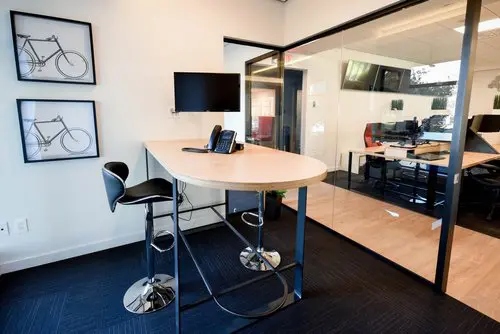
2727 Coworking space, 2727 Saint-Patrick, Montreal
Food, Culture, and Lifestyle
The Atwater Market
The Atwater Market, operating continuously since 1933, is the culinary anchor of the Sud-Ouest corridor and one of Montreal's premier public markets. Located on the Lachine Canal at the boundary of Griffintown and Saint-Henri, the market provides:
Fresh produce: Seasonal fruits and vegetables from Quebec farms, often available the day of harvest
Artisan bakeries: Premiere Moisson and other bakeries offering fresh bread, pastries, and sandwiches
Cheese and charcuterie: Multiple specialty vendors with extensive Quebec and international selections
Prepared foods: Ready-to-eat meals, sandwiches, and salads ideal for coworking lunch breaks
Wine and specialty foods: Including the SAQ Signature wine shop
For coworking members, Atwater Market provides daily lunch options that are fresher, more varied, and often less expensive than typical office-area food options [28].
Rue Notre-Dame Ouest, running through Saint-Henri, Little Burgundy, and into Griffintown, has become one of Montreal's most celebrated dining corridors. Notable establishments include:
Joe Beef: Internationally acclaimed restaurant that helped catalyze the neighborhood's culinary reputation
Liverpool House: Joe Beef's sister restaurant, equally celebrated
Mon Lapin: Natural wine bar and restaurant from the Joe Beef group
Dozens of independent restaurants: Italian, Japanese, Vietnamese, Mexican, contemporary French-Canadian, and more, at price points from $10 lunch specials to $100+ tasting menus
For professionals using coworking spaces along the corridor, the density and quality of dining options means that client lunches, team dinners, and casual after-work drinks can all happen within walking distance [29].
Arts, Culture, and Community
The Sud-Ouest corridor offers a rich cultural life that extends far beyond work and food:
Arsenal Contemporary Art: One of Montreal's largest private contemporary art galleries, housed in a converted naval shipyard in Griffintown
Galleries and artist studios: Scattered throughout the corridor, particularly in Pointe-Saint-Charles and Saint-Henri
Breweries: Multiple craft breweries including Atelier Brassicole and others have established themselves in converted industrial spaces
Seasonal events: Summer canal-side festivals, the Atwater Market's seasonal celebrations, and neighborhood block parties throughout the year
The Falaise Saint-Jacques: A remarkable urban ecological corridor running along the escarpment between Saint-Henri and the upper neighborhoods, providing hiking trails and green space within the city [11]
Working Through Montreal's Seasons
Winter in the Canal Corridor
Montreal's winter is legendary, and any honest assessment of the Sud-Ouest coworking experience must address it directly. December through March brings temperatures that regularly drop to -15 degrees Celsius (5 degrees Fahrenheit) or below, with occasional extreme cold snaps reaching -30 degrees Celsius (-22 Fahrenheit).
Winter challenges:
The canal corridor is exposed to wind, making the walk from metro to workspace briskly cold
Outdoor canal-side amenities (Atwater Market terraces, canal path) are less appealing
Short daylight hours (8.5 hours in late December) can affect mood and energy
Winter compensations:
The industrial buildings' massive windows capture every available minute of winter daylight, which is critically important for maintaining circadian rhythm and productivity
Heavy masonry construction retains heat efficiently, creating warm, stable indoor environments
The canal and its snow-covered banks create a visually serene winter landscape
Year-round BIXI and maintained canal paths keep cycling commutes viable
Indoor amenities (Atwater Market's heated halls, neighborhood cafes and restaurants) provide winter alternatives
Coworking community becomes especially valuable in winter, combating the isolation that can accompany remote work during dark, cold months
For professionals considering canal-side coworking, our guide to Quebec winter business attire provides practical advice for maintaining a professional appearance while dressing for Montreal's climate.
Spring, Summer, and Fall: The Canal at Its Best
From April through November, the Lachine Canal corridor comes alive:
Spring (April-May): Canal reopens to navigation, trees leaf out along the path, Atwater Market begins outdoor operations, BIXI stations at full capacity
Summer (June-August): Peak season. Kayakers and paddleboarders on the canal, outdoor terraces at full capacity, festivals and events, 15+ hours of daylight, lunchtime runs and bike rides along the canal path
Fall (September-November): Spectacular foliage along the canal banks, harvest season at Atwater Market, clear weather ideal for cycling commutes, the canal path at its most photogenic
The seasonal variation is part of the Sud-Ouest experience, providing a rhythm to the working year that is absent from climate-controlled downtown office towers.
2727 Coworking space, 2727 Saint-Patrick, Montreal
Environmental Sustainability
The Case for Adaptive Reuse
The Sud-Ouest corridor's reliance on converted industrial buildings represents one of the most sustainable approaches to commercial real estate. The concept of embodied carbon, the emissions associated with manufacturing, transporting, and installing building materials, means that reusing existing buildings almost always produces fewer environmental impacts than demolition and new construction.
The Preservation Green Lab (a program of the National Trust for Historic Preservation) found that it takes 10-80 years for a new energy-efficient building to overcome the carbon debt of construction and demolition [30]. The Sud-Ouest corridor's industrial buildings, with their century-plus track record of structural durability, represent embodied carbon that has long since been amortized.
Coworking as Shared Resource
The coworking model is inherently more resource-efficient than traditional office space. By sharing space, energy, equipment, and amenities among many users, coworking spaces achieve utilization rates of 70-85%, compared to 40-60% for conventional offices. This higher utilization means less total square footage, less energy, and fewer resources per worker [31].
The Canal Corridor Carbon Advantage
Professionals who work in the Sud-Ouest corridor benefit from a compounding sustainability advantage:
Adaptive reuse: Working in converted buildings with zero new construction impact
The global shift toward remote and hybrid work has fundamentally changed how professionals choose workspace. Statistics Canada data shows that approximately 25% of Canadian workers work from home at least part of the time, rising to 40-50% among knowledge workers [32].
This shift has been transformative for the Sud-Ouest corridor. Instead of commuting to downtown offices, professionals who live in or near the canal corridor (including the large and growing populations in Griffintown, Verdun, Saint-Henri, and NDG) can walk or bike to neighborhood coworking spaces that are closer, cheaper, and often higher quality than their former downtown desks.
The corridor's population growth, 36.7% in the 2011-2021 decade, has brought tens of thousands of young professionals into the neighborhood, creating a critical mass of potential coworking members within walking or cycling distance of canal-side spaces [1].
The Third Place Function
Sociologist Ray Oldenburg's concept of the "third place", a social environment distinct from home and the traditional workplace, describes precisely the role that Sud-Ouest coworking spaces play for remote workers [33].
The canal corridor amplifies this function: the coworking space provides the structured work environment and professional community, while the canal path, Atwater Market, neighborhood cafes, and cultural venues provide the broader social infrastructure that prevents the isolation endemic to full-time remote work.
2727 Coworking space, 2727 Saint-Patrick, Montreal
Bilingual Professional Life in Sud-Ouest
Navigating Montreal's Language Landscape
The Sud-Ouest borough straddles Montreal's linguistic divide. Griffintown and Little Burgundy have historically English-speaking roots (Irish and Black anglophone communities, respectively), while Saint-Henri, Pointe-Saint-Charles, and Ville-Emard are traditionally francophone neighborhoods.
Today, the entire corridor is thoroughly bilingual, with most businesses and professionals operating comfortably in both English and French. This bilingual character provides practical advantages for coworking members:
Bilingual networking: Community events and professional connections span both linguistic communities, expanding professional networks
Client service: Professionals can serve both English and French-speaking clients from the same workspace
Quebec compliance: Quebec's language laws (Bill 96) require businesses with 25+ employees to operate primarily in French. For smaller businesses and freelancers, the corridor's bilingual environment provides natural compliance context [34]
Montreal has emerged as one of North America's most attractive destinations for international remote workers and digital nomads. The combination of affordable cost of living (substantially lower than Toronto, Vancouver, New York, or San Francisco), rich cultural life, excellent food, safety, and a bilingual environment that appeals to both English and French speakers creates a compelling proposition for location-independent professionals.
The Sud-Ouest corridor is particularly well-suited for international visitors and newcomers:
Walkability and transit: With five metro stations and extensive cycling infrastructure, international workers without cars can navigate the entire corridor with ease
Short-term flexibility: Coworking day passes and weekly rates accommodate visitors on tourist visas, international conference attendees, and professionals on short-term assignments
International dining: The Notre-Dame West corridor and surrounding restaurants offer cuisines from dozens of countries, providing comfort food for virtually any nationality
Healthcare access: Quebec's public healthcare system covers residents, and private clinics in the corridor serve visitors [39]
Immigration and the Talent Pipeline
Federal and provincial immigration programs bring thousands of technology professionals to Montreal each year. The Global Talent Stream, Quebec Skilled Worker Program, and various startup visa programs create a steady flow of international talent that often begins its Montreal professional life in coworking spaces [40].
The Sud-Ouest corridor, with its proximity to ETS and its established tech community, has become a popular landing zone for international tech workers. Coworking spaces provide the professional infrastructure, business address, reliable internet, meeting rooms, and community, that newcomers need while establishing themselves in the city.
2727 Coworking space, 2727 Saint-Patrick, Montreal
The Freelancer Economy Along the Canal
Why Freelancers Thrive in Sud-Ouest
Montreal has one of Canada's largest freelancer populations, and the Sud-Ouest corridor has become a preferred base for independent professionals. The economics are compelling: a freelancer earning $80,000-$120,000 annually can afford a quality coworking membership ($250-$400/month) while maintaining a professional environment, business address, and networking community that would be impossible to replicate working from home [41].
Key advantages of the corridor for freelancers:
Tax-deductible workspace: Coworking memberships are fully deductible business expenses for incorporated freelancers and sole proprietors
Professional meetings: Meeting rooms for client presentations and collaborative sessions, available by the hour without long-term commitment
Networking: The coworking community provides referrals, collaborations, and social connection that combat the isolation of freelance work
Business address: Virtual mailbox services allow freelancers to use a professional canal-side address for business registration and client correspondence, avoiding the risks of using a home address [42]
For a comprehensive guide to starting a freelance business in Montreal, including legal, tax, and insurance considerations, see our guide to starting a freelance business in Montreal.
Insurance and Legal Considerations
Quebec has specific regulatory requirements that freelancers and small businesses must navigate:
CNESST compliance: Quebec's workplace health and safety board requires certain compliance measures even for freelancers [43]
Business registration: All businesses operating in Quebec must register with the Registraire des entreprises du Quebec (REQ)
Professional liability: Coworking spaces typically require members to maintain their own professional liability insurance
Tax obligations: Quebec has distinct tax requirements including QST (Quebec Sales Tax) registration for businesses exceeding $30,000 in annual revenue
Choosing the Right Coworking Space in Sud-Ouest
Decision Framework
Selecting the right coworking space requires matching your specific needs to the options available along the corridor. Consider these factors:
If you prioritize natural light and canal-side environment: Choose Griffintown. The canal-side buildings in this neighborhood provide the best natural light and waterside proximity. 2727 Coworking at 2727 Saint-Patrick Street offers canal views, industrial-scale windows, and direct path access.
If you prioritize budget: Choose Saint-Henri. IDEAL Coworking in the Chateau Saint-Ambroise complex offers among the lowest rates in the corridor ($20-$25/day, $215-$250/month), with heritage industrial character and canal proximity.
If you prioritize Orange Line metro access: Choose Saint-Henri (Place-Saint-Henri station) or Little Burgundy (Georges-Vanier/Lionel-Groulx). The Orange Line provides direct service to downtown, the Plateau, and Laval without transfer.
If you prioritize community and networking: Both Griffintown and Saint-Henri offer strong coworking communities. Consider attending a few community events or using day passes at multiple spaces to find the best cultural fit.
If you are a creative professional (designer, photographer, artist): The corridor's converted industrial spaces provide excellent environments for creative work. Pointe-Saint-Charles offers the most affordable studio/workspace rates, while Griffintown and Saint-Henri offer more developed coworking options.
Most coworking spaces along the corridor offer day passes that allow you to test the space before committing to a monthly membership. This approach is strongly recommended: spend 2-3 days working from a space before signing up. Pay attention to noise levels, light quality, internet speed, community vibe, and commute experience.
2727 Coworking space, 2727 Saint-Patrick, Montreal
The Future of Sud-Ouest: What is Coming
Development Pipeline
The Sud-Ouest corridor is in the middle of a transformation that is far from complete. Several major developments will shape the coworking landscape in the coming years:
REM Griffintown-Bernard Landry Station: When operational, this station will provide rapid transit connections to the South Shore (Brossard), Montreal-Trudeau Airport (YUL), and the West Island. The station is expected to increase commercial foot traffic and property values in the immediate area, further establishing Griffintown as the commercial hub of the corridor [2].
Continued residential development: Thousands of additional residential units are under construction or planned throughout the corridor, primarily in Griffintown and the portions of Pointe-Saint-Charles closest to the canal. This population growth will further increase demand for local coworking space.
Canal-side commercial development: The Lachine Canal corridor continues to attract commercial tenants seeking the combination of industrial character, natural light, and canal access that defines the neighborhood. As vacancy rates tighten in the most desirable buildings, adaptive reuse projects are extending further along the canal.
Cultural infrastructure: Ongoing investments in public art, interpretive installations along the canal, and community cultural spaces continue to enrich the corridor's character and attractiveness.
The Maturation of the Corridor
The Sud-Ouest corridor is following a development trajectory familiar from other North American canal and waterfront revitalizations (think Toronto's Distillery District, Brooklyn's Gowanus Canal corridor, or Portland's Pearl District): an initial phase of artist and creative-economy colonization, followed by residential development, followed by commercial maturation.
The corridor is currently in the commercial maturation phase: the residential population is established, the creative economy has taken root, and the infrastructure (transit, cycling, food, culture) is in place. What remains is the deepening of the commercial ecosystem, including the growth of coworking and flexible workspace options that serve the corridor's expanding professional population.
For professionals considering the corridor today, this means joining a community that is still growing and offering pricing advantages that may narrow as the corridor continues to mature. The next 3-5 years represent a window of opportunity to establish a presence in what is rapidly becoming Montreal's most desirable non-downtown workspace address.
Technology and the Future of Canal-Side Work
The intersection of remote work trends, advancing AI capabilities, and the growing importance of quality physical workspace creates a favorable outlook for the Sud-Ouest coworking market. As routine knowledge work becomes increasingly automated through AI tools, the value of human connection, creative collaboration, and the serendipitous encounters that physical workspace enables will only increase [44].
Canal-side coworking spaces that combine excellent physical infrastructure with strong community will be positioned to capture the growing demand from professionals who choose workspace for its quality of environment and community rather than for its proximity to a corporate headquarters.
Frequently Asked Questions
What is the Sud-Ouest borough?
The Sud-Ouest (Southwest) is one of Montreal's 19 boroughs, located south and west of downtown along the Lachine Canal. It encompasses the neighborhoods of Griffintown, Saint-Henri, Little Burgundy (Petite-Bourgogne), Pointe-Saint-Charles, and Ville-Emard/Cote-Saint-Paul. The borough has experienced dramatic transformation over the past two decades, evolving from an industrial area into one of Montreal's most vibrant mixed-use corridors.
Is there coworking near the Lachine Canal?
Yes. Multiple coworking spaces operate along the Lachine Canal corridor, with the highest concentration in Griffintown and Saint-Henri. 2727 Coworking at 2727 Saint-Patrick Street is located directly on the canal in Griffintown, while IDEAL Coworking and Nuage B operate in adjacent Saint-Henri. All are within a short walk of the canal path.
How do I get to Sud-Ouest coworking by public transit?
The borough is served by five metro stations. For Griffintown coworking: take the Green Line to Charlevoix (5-minute walk to most spaces). For Saint-Henri coworking: take the Orange Line to Place-Saint-Henri. The Lionel-Groulx station provides the Green/Orange Line interchange connecting the borough to the entire metro network.
Is the Lachine Canal bike path open year-round?
Yes. The Lachine Canal path is maintained year-round, and BIXI bike-share operates throughout the winter with 2,300+ bikes. Snow removal and de-icing keep the path usable even during Montreal's coldest months, though cycling conditions are obviously more challenging in winter [16].
How does the Sud-Ouest corridor compare to downtown Montreal for coworking?
The corridor offers 15-40% lower coworking prices, superior natural light (industrial windows vs. office tower windows), direct canal access for exercise and breaks, better parking availability, and equivalent transit connectivity. Downtown offers maximum restaurant variety, corporate networking density, and prestige addresses. Many professionals find that the Sud-Ouest corridor provides better value and quality of work life [35].
Can I use a Sud-Ouest coworking address for business registration?
Yes. Several coworking spaces in the corridor, including 2727 Coworking, offer virtual mailbox services that allow you to use the coworking address for business registration with the Quebec enterprise registrar (REQ). This provides a professional business address without requiring a full-time office commitment [36].
What is the Atwater Market and why is it relevant to coworking?
The Atwater Market is one of Montreal's historic public markets, located on the Lachine Canal at the boundary of Griffintown and Saint-Henri. For coworking members, it provides fresh, affordable lunch options (produce, bakeries, prepared foods, cheeses) that are superior in quality and price to typical office-area food courts. It is a short walk from most canal-side coworking spaces [28].
Are there networking and community events in the Sud-Ouest corridor?
Yes. Coworking spaces regularly host community events, and the broader corridor offers tech meetups (often at ETS campus), startup events, gallery openings, and seasonal celebrations. The Montreal entrepreneurial networking calendar includes numerous events accessible from the corridor [37].
What industries are represented in the Sud-Ouest coworking community?
The corridor's coworking communities include professionals from technology (software development, AI, gaming), creative industries (design, photography, video, architecture), consulting, financial services, legal, and freelance professionals across many fields. The community tends to skew younger (25-40) and more entrepreneurial than downtown coworking, reflecting the borough's demographic profile [38].
What internet speeds are available in Sud-Ouest coworking spaces?
Griffintown and Saint-Henri's commercial buildings have been upgraded with modern fiber infrastructure. Premium coworking spaces like 2727 Coworking offer Gigabit internet with redundant connections. Even more affordable spaces typically provide 100-500 Mbps connections sufficient for video conferencing, cloud computing, and large file transfers [45].
Can I hold client meetings in Sud-Ouest coworking spaces?
Yes. Most coworking spaces in the corridor offer meeting rooms bookable by the hour or included with certain membership tiers. The canal-side environment, architectural character, and proximity to excellent restaurants make the corridor an impressive setting for client meetings. Parking availability is notably better than downtown, which is a practical advantage when clients drive.
What is the difference between Griffintown and Saint-Henri for coworking?
Griffintown is younger, more tech-focused, and directly on the canal, with premium coworking options and higher price points. Saint-Henri has more neighborhood character, a stronger restaurant scene on Notre-Dame West, Orange Line metro access, and more affordable coworking options. Both neighborhoods share canal proximity and industrial heritage. For a detailed comparison of coworking options, see our hot desking vs assigned desks analysis.
Is the Sud-Ouest corridor safe?
Yes. The Sud-Ouest borough is one of Montreal's safest areas. The influx of residential development, active canal-side pedestrian and cycling traffic, and thriving restaurant and retail corridors create a well-populated, well-lit environment throughout the day and evening.
For professionals seeking coworking space in Montreal's Sud-Ouest corridor, 2727 Coworking at 2727 Saint-Patrick Street offers hot desks, dedicated desks, and private offices with canal-side views, industrial-scale natural light, and Gigabit internet, just 5 minutes from Charlevoix metro in the heart of Griffintown.
2727 Coworking space, 2727 Saint-Patrick, Montreal
References
[1] Statistics Canada 2021 Census Profile - Sud-Ouest Borough
[2] Montreal REM Real Estate Impact - 2727 Coworking