Freelancer's Complete Guide to Working in Montreal: Registration, Taxes, Workspace, and Community in 2026
Montreal is one of the best cities in North America for freelancers. The combination of affordable living costs, a bilingual talent pool, world-class infrastructure in technology and creative industries, and a culture that genuinely values independent work makes it a natural home for self-employed professionals. Whether you are a software developer, graphic designer, consultant, translator, or content creator, Montreal offers the rare combination of big-city opportunity and manageable cost of living that allows freelancers to build sustainable careers without the financial pressure that defines self-employment in Toronto or Vancouver.
This guide covers everything a freelancer needs to know about working in Montreal: the legal steps to register as a travailleur autonome in Quebec, the tax obligations and deductions available to self-employed workers, the workspace options that range from home offices to coworking spaces, the neighborhoods where freelancers thrive, and the community resources that connect independent professionals with clients, collaborators, and support. It is written for both new freelancers starting their first independent venture and established self-employed professionals considering a move to Montreal.
Executive Summary
Montreal's freelancer ecosystem is large, growing, and well-supported by institutional infrastructure. Key findings from the data:
Canada had 2,652,600 self-employed workers in 2023, representing 13.2% of the employed population, with nearly 1.9 million operating as own-account workers without employees [1]
Approximately 7.3 million Canadians (22% of adults) participated in gig work in 2024, and Canada has experienced a 64% rise in freelance numbers in recent years [2][3]
Montreal freelancers benefit from housing costs that are 20-40% lower than Toronto and Vancouver, with average 2-bedroom rent of approximately $1,800/month compared to $2,800 in Toronto and $2,600 in Vancouver [4]
The average freelancer salary in Canada is $54,466/year, with Montreal offering a superior cost-adjusted quality of life compared to other major Canadian cities [5]
Quebec freelancers should set aside 30-40% of gross income for combined federal and provincial taxes, QPP contributions, and QPIP premiums [6]
Research shows that 74% of coworking members report being more productive than working alone, and coworking membership is fully deductible as a business expense for Quebec freelancers [7][8]
Montreal's Freelancer Landscape
The Numbers Behind Self-Employment in Canada
Self-employment is not a fringe career path in Canada. It is a structural feature of the economy. In 2023, 2,652,600 Canadians were self-employed, making up 13.2% of the total employed population. Of these, nearly 1.9 million were own-account workers (operating without employees), comprising 9.4% of all employed Canadians [1][9].
The breakdown of self-employment tells an important story about how Canadians structure their independent work: 46.2% are unincorporated without employees (the classic sole proprietor or travailleur autonome), 25.7% are incorporated without employees, 22.9% are incorporated with employees, and 5.2% are unincorporated with employees. The dominance of the solo, unincorporated model reflects the reality that most freelancers operate lean businesses focused on selling their expertise rather than building staffed enterprises [1].
The trend is accelerating. Self-employment rose by 24,000 (+0.9%) in December 2024 alone, with total gains for the year reaching 64,000 (+2.4%) [10]. Quebec's total employment reached 4,566,000 in 2024, up 43,200 (+1.0%) from 2023, and employment continued to grow by 16,000 (+0.3%) in December 2025 [11][12].
The gig economy, which overlaps with but is broader than traditional self-employment, has grown even faster. Approximately 22% of Canadian adults (roughly 7.3 million people) were participating in gig work in 2024, and Canada has experienced a 64% rise in freelance numbers as the workforce diversifies beyond rideshare and delivery into technology, creative services, and professional consulting [2][3].
Why Canadians Choose Self-Employment
The motivations behind self-employment reveal that freelancing is increasingly a deliberate career choice rather than a fallback. According to Statistics Canada's Q4 2023 survey of self-employed workers [1]:
38.2% chose self-employment for "autonomy and control over work hours, wage rate, or location" -- the single largest motivation
14.3% wanted "to engage in work you are passionate about"
11.3% believed they could "earn more money than as an employee"
9.3% wanted "to work in your field of expertise"
29.8% planned to expand their business in the next 12 months
The autonomy finding is particularly relevant for Montreal freelancers. The city's relatively low cost of living means that the income trade-off of self-employment (potentially earning less than a salaried position, at least initially) is more manageable here than in higher-cost cities. A freelancer earning $50,000-$60,000 in Montreal can live comfortably; the same income in Toronto or Vancouver would require significant compromises.
Top Freelancer Industries in Montreal
Montreal's freelancer economy is not monolithic. The city's unique industrial strengths create concentrated demand in several sectors where independent professionals thrive:
IT and Software Development. Quebec's professional, scientific, and technical services sector employed approximately 372,000 workers in 2021-2023, with roughly two-thirds concentrated in the Montreal metropolitan area. Software development, web development, DevOps, cybersecurity, and IT consulting represent the largest freelance categories by revenue [13].
Artificial Intelligence and Machine Learning. Montreal is a global AI hub, anchored by Mila (the Quebec AI Institute), university research programs at UdeM, McGill, and Concordia, and a dense ecosystem of AI companies from startups to multinationals. Entry-level ML engineer salaries in Montreal range from CAD $85,000-$125,000, and the AI ecosystem generates substantial demand for freelance data scientists, ML engineers, and AI consultants [14][15].
Video Games and Digital Media. Montreal is home to some of the world's largest gaming studios (Ubisoft, EA, Warner Bros. Games) and a thriving independent game development scene. VFX, animation, and digital media companies employ thousands of freelancers for project-based work.
Creative Design. Graphic design, UX/UI design, multimedia production, and branding are strong freelance categories in Montreal, fueled by the city's advertising agencies, startup ecosystem, and creative culture.
Consulting. Architectural, engineering, legal, accounting, and management consulting represent a substantial freelance market, particularly as organizations increasingly engage specialized independent consultants for project-based work.
Translation and Language Services. Montreal's bilingual nature and the public sector's need for French-English (and increasingly multilingual) translation creates ongoing demand for freelance translators, interpreters, editors, and content localizers. The province's language requirements under Bill 96 further drive demand for language services.
Content, Marketing, and Film/Audio Production. Content strategy, copywriting, social media management, SEO consulting, podcast production, and video production are growing freelance categories supported by Montreal's vibrant media ecosystem.
Average Freelancer Income
The average freelancer salary in Canada is $54,466 per year, with a range from $37,529 at the 25th percentile to $81,442 at the 75th percentile [5]. In Quebec specifically, the average salary as of January 2026 is $23.79/hour or $49,473/year across all workers. Freelancer incomes vary dramatically by specialization: a freelance ML engineer can command $85,000-$125,000, while a freelance graphic designer might earn $40,000-$65,000 depending on experience and client base [14].
The critical insight for Montreal freelancers is not the raw income number but the cost-adjusted income. A freelancer earning $60,000 in Montreal retains significantly more purchasing power than one earning $75,000 in Toronto, once housing, transportation, and childcare costs are factored in [4].
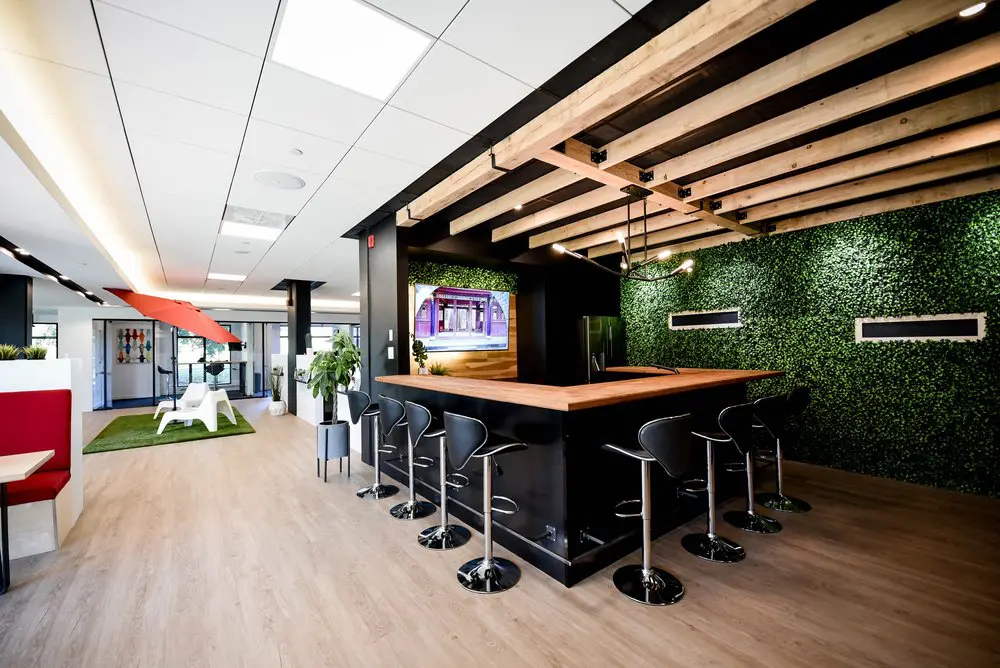
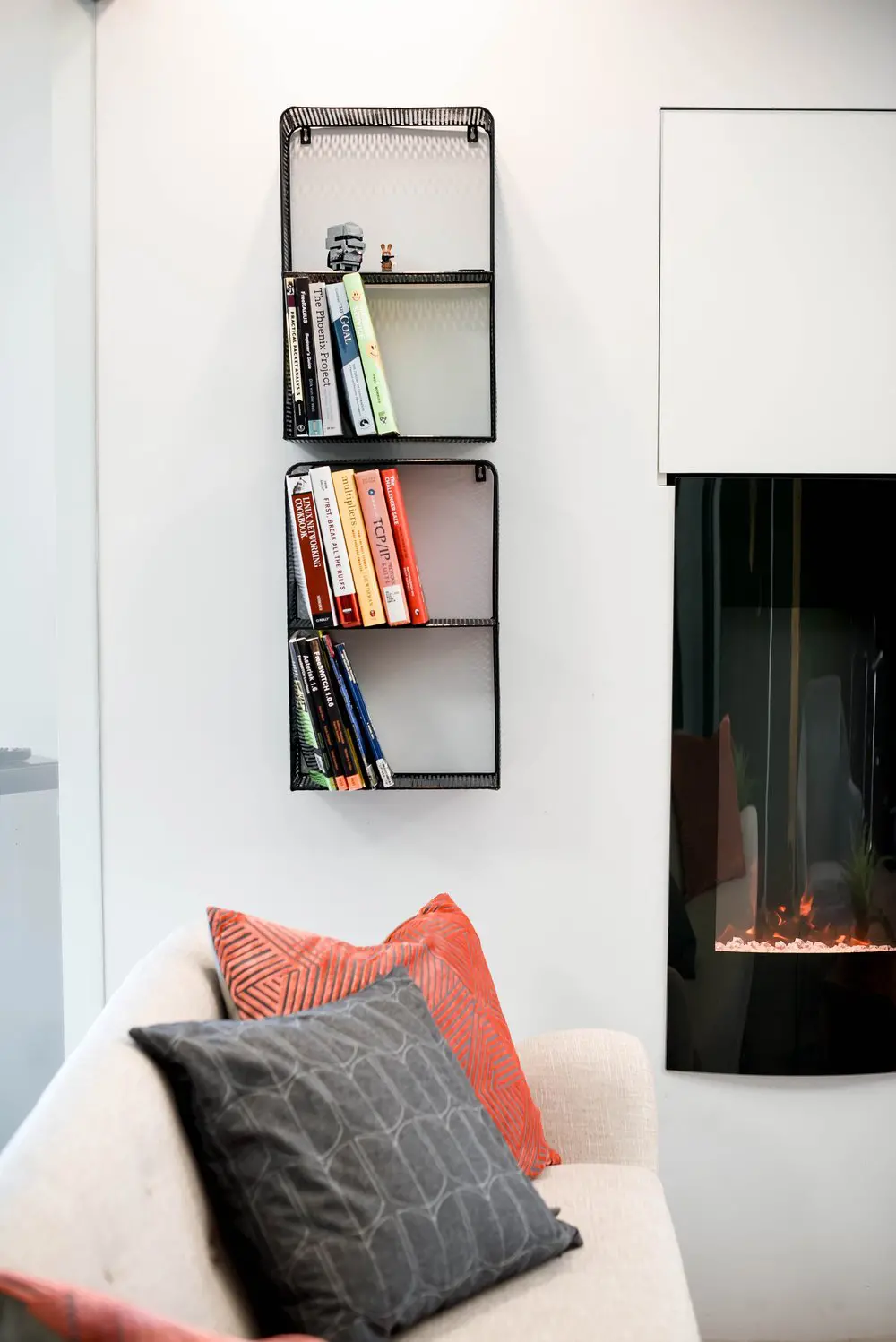
2727 Coworking space, 2727 Saint-Patrick, Montreal
Montreal vs Toronto vs Vancouver for Freelancers
Choosing a home base is one of the most consequential financial decisions a Canadian freelancer can make. The cost differences between Canada's three largest cities compound over years, and Montreal consistently offers the best value proposition for independent workers.
The Montreal advantage is clear on cost. While Quebec's provincial tax rates are higher than Ontario's or BC's, the combined marginal tax rates at the top bracket are nearly identical across all three provinces (around 53%). The real difference is in housing and operating expenses. Montreal's 20-40% lower housing costs mean that a freelancer here can maintain the same standard of living while earning $15,000-$30,000 less per year, or alternatively, can save and invest significantly more at the same income level.
The trade-off is language. Quebec's Charter of the French Language requires businesses to operate primarily in French, and freelancers working with Quebec-based clients need functional French. For anglophone freelancers working primarily with clients outside Quebec (remote tech work, for example), the language requirement is less of a barrier, but understanding the regulatory landscape is still essential. For a detailed analysis of how these language requirements affect businesses, see our Bill 96 business compliance guide.
Montreal also offers specific ecosystem advantages. The city's AI community, anchored by Mila, is among the strongest in the world. The gaming industry employs tens of thousands in the metropolitan area. The creative economy benefits from a deep talent pool and strong cultural infrastructure. And the remote work talent hub that has developed since 2020 means that Montreal freelancers increasingly serve clients across North America and globally while enjoying Montreal's cost of living.
Legal Setup: Becoming a Freelancer in Quebec
Understanding the Travailleur Autonome Status
In Quebec, a freelancer operating as a sole proprietor is legally known as a travailleur autonome (self-employed worker). This is the simplest business structure available and is how most freelancers begin their independent careers. A travailleur autonome is a natural person who carries on a business for their own account, without being incorporated [17].
The key legal distinction is straightforward: if you provide services or sell goods on your own behalf (rather than as an employee under someone else's direction and control), you are a travailleur autonome. You do not need anyone's permission to start freelancing. There is no license to obtain and no approval process to complete. You can begin working immediately. For a comprehensive walkthrough of the startup process, see our guide on how to start a freelance business in Montreal.
Registration Requirements: Do You Need to Register?
Whether you need to formally register your business depends on a single factor: the name you operate under.
If you use only your full legal name (first name and family name, exactly as it appears on your government ID), you are not required to register with the Registraire des entreprises du Quebec. You can invoice clients, open a business bank account, and operate your freelance business without any formal registration [17].
If you use a business name (any name other than your full legal name, including abbreviations, additions, or trade names), registration is mandatory. For example, if your legal name is Marie Tremblay but you operate as "MT Design Studio" or even "M. Tremblay Consulting," you must register with the Registraire des entreprises.
NEQ (Quebec Enterprise Number) Registration
When you register, the Registraire des entreprises assigns you a NEQ (numero d'entreprise du Quebec). For natural persons (sole proprietors), the NEQ begins with "22." An important detail that many freelancers do not realize: the NEQ is assigned to you as a person, not to your business. If you close one business and start another, you will reuse the same NEQ [18].
Registration fees range from $36 to $356 depending on the type of business entity. For a sole proprietorship using a business name, the fee is at the lower end of this range. The process is completed online through the Registraire des entreprises website and typically takes a few business days to process.
For detailed guidance on the registration process, including step-by-step instructions and common pitfalls, see our Quebec business registration guide.
Sole Proprietorship vs Incorporation: A Detailed Comparison
Every freelancer eventually faces the question: should I incorporate? The answer depends on your income level, risk profile, and growth plans. Here is a detailed comparison of the two structures as they apply to Quebec freelancers:
Factor
Sole Proprietorship (Travailleur Autonome)
Incorporation
Setup cost
$0 (own name) or $36-$72 (business name)
$800-$2,500+ (articles of incorporation, minute book, legal fees)
Ongoing admin
Minimal; annual declaration ($36/year)
Annual returns, corporate tax filing, minute book maintenance
Tax rate
Personal rates (14%-25.75% QC + 15%-33% federal)
12-15% on first $500,000 active business income (small business deduction)
Liability
Unlimited personal liability
Limited to corporate assets (personal assets generally protected)
Tax deferral
None; all income taxed in year earned
Can retain earnings in corporation at lower rate
Income splitting
Not possible
Possible through salary/dividends to family members (TOSI rules apply)
CPP/QPP
Pay both employer and employee portions (10.8% base)
Can structure compensation to optimize; salary triggers QPP, dividends do not
Credibility
"Inc." adds perceived legitimacy with some clients
The recommended path for most freelancers: Start as a sole proprietor. The simplicity, low cost, and minimal administrative burden allow you to focus on building your client base and revenue. Consider incorporating when your annual net income consistently exceeds $50,000-$80,000, at which point the corporate tax rate advantage and liability protection begin to justify the additional costs and complexity. Consult with an accountant who specializes in Quebec self-employment to determine the optimal transition point for your specific situation.
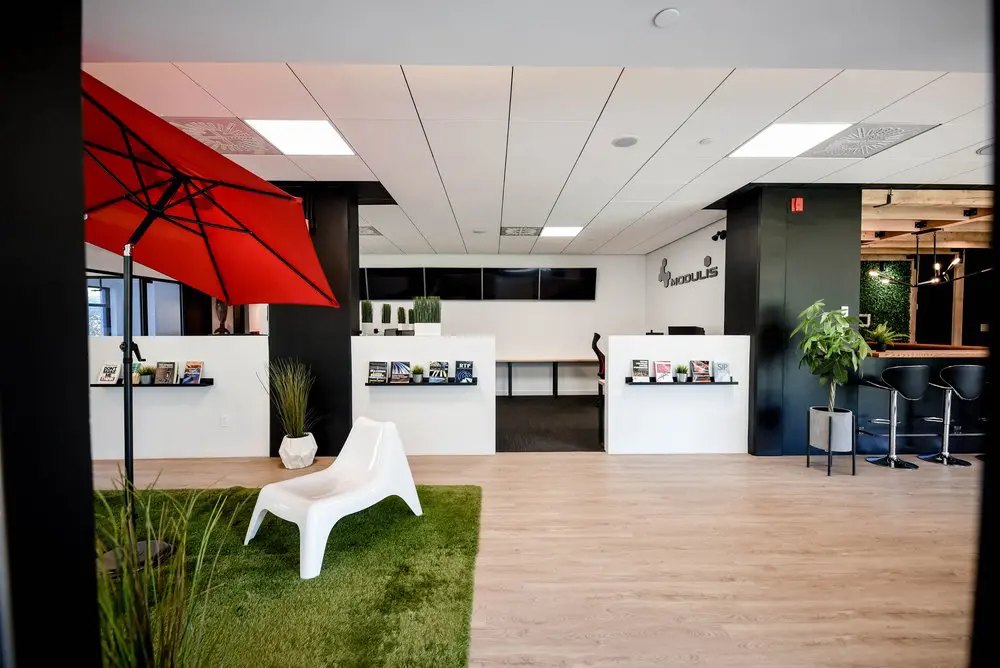
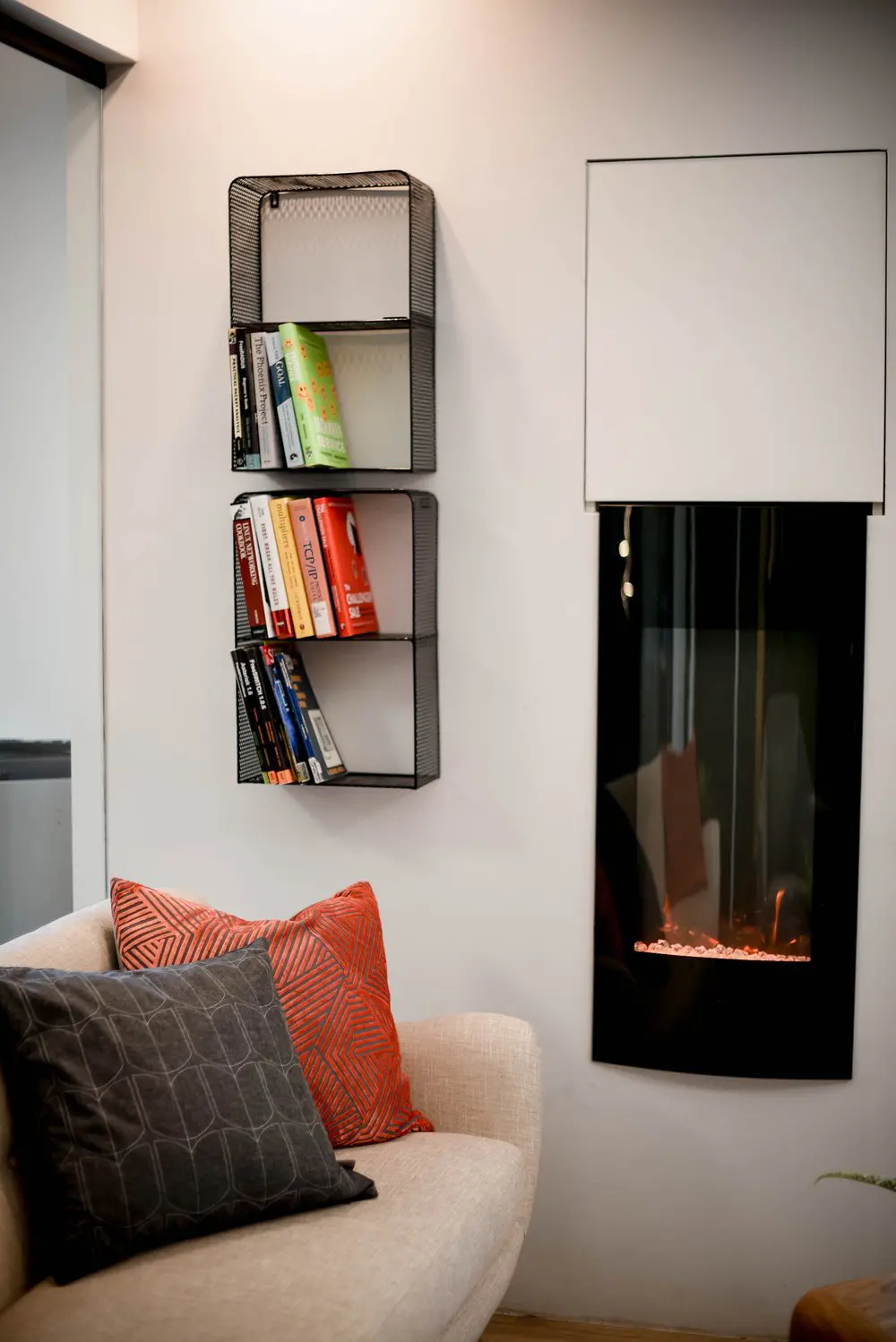
2727 Coworking space, 2727 Saint-Patrick, Montreal
Business Address: Protecting Your Privacy
The Home Address Problem
One of the most overlooked aspects of registering as a freelancer in Quebec is the address requirement. When you register a sole proprietorship with the Registraire des entreprises, you must declare a domicile address. By default, this is your home address, and here is the critical detail: your address becomes publicly searchable on the Quebec Enterprise Register (REQ) [21].
Anyone, a stranger, a disgruntled client, a competitor, can search your name or business name on the REQ website and find your home address. For freelancers who work from home, this creates genuine privacy and safety concerns that go beyond mere inconvenience. The risks include unwanted visitors, identity theft facilitation, and the general exposure of your private residence to the public. For a detailed analysis of these risks, see our guide on the legal risks of using a home address for business registration and our analysis of using a home address for business.
The Professional Address Solution
Since March 2023, Quebec has offered an alternative. The Registraire des entreprises allows individuals to file a professional address instead of their home address, regardless of their role (sole proprietor, director, officer, shareholder). This means you can register a commercial address, such as a coworking space, as your business address and keep your home address entirely off the public register [22].
A coworking space provides an ideal professional address because:
It is a real, physical commercial location (not a P.O. Box, which many jurisdictions reject)
Mail can be received and held for you
It provides a professional impression if a client or government agency searches your registration
It separates your business life from your personal life completely
The cost is minimal, often included with a coworking membership or available as a standalone virtual office service
At 2727 Coworking (2727 Saint-Patrick, Montreal), members can use the coworking address as their professional business address for REQ registration, keeping their home address private. For freelancers who want an address without a full coworking membership, virtual office packages provide the same benefit at a lower cost.
GST/QST Registration for Freelancers
The $30,000 Threshold
As a freelancer in Quebec, you must understand the GST (Goods and Services Tax) and QST (Quebec Sales Tax) registration requirements. The rules are straightforward but the consequences of getting them wrong are significant [23].
If your total worldwide taxable supplies are $30,000 or less in four consecutive calendar quarters, you are classified as a "small supplier" and GST/QST registration is not required. You do not charge sales tax to your clients and you do not remit any.
If your revenue exceeds $30,000 in any 12 consecutive months (or in a single calendar quarter), you must register within 30 days of exceeding the threshold. Once registered, you charge 5% GST and 9.975% QST on your taxable services, collect the tax from clients, and remit it to Revenu Quebec on a regular schedule (annually, quarterly, or monthly depending on your revenue level).
Voluntary Registration: When It Makes Sense
Even if your revenue is below $30,000, you can voluntarily register for GST/QST. This is advantageous if you have significant business expenses because registration allows you to claim Input Tax Credits (ITCs) and Input Tax Refunds (ITRs) on the GST and QST you pay on business purchases. If you are spending substantially on equipment, software, coworking memberships, or other business inputs, the tax you recover on those expenses can exceed the inconvenience of charging and remitting sales tax.
The calculation is simple: if your annual business expenses subject to GST/QST exceed roughly $3,000-$5,000, voluntary registration is likely worth it. You recover approximately 15% of those expenses as tax credits, which directly improves your cash flow.
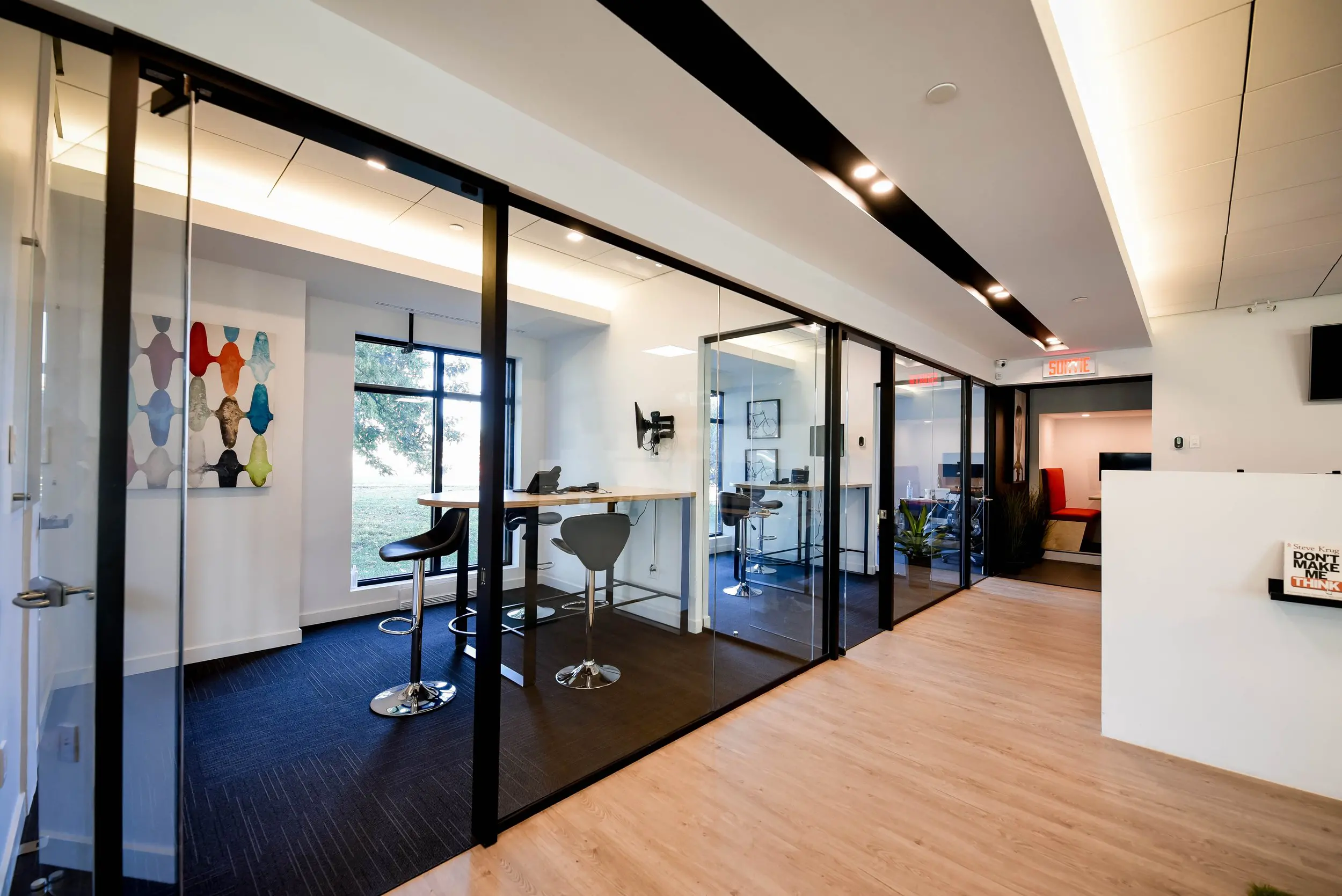
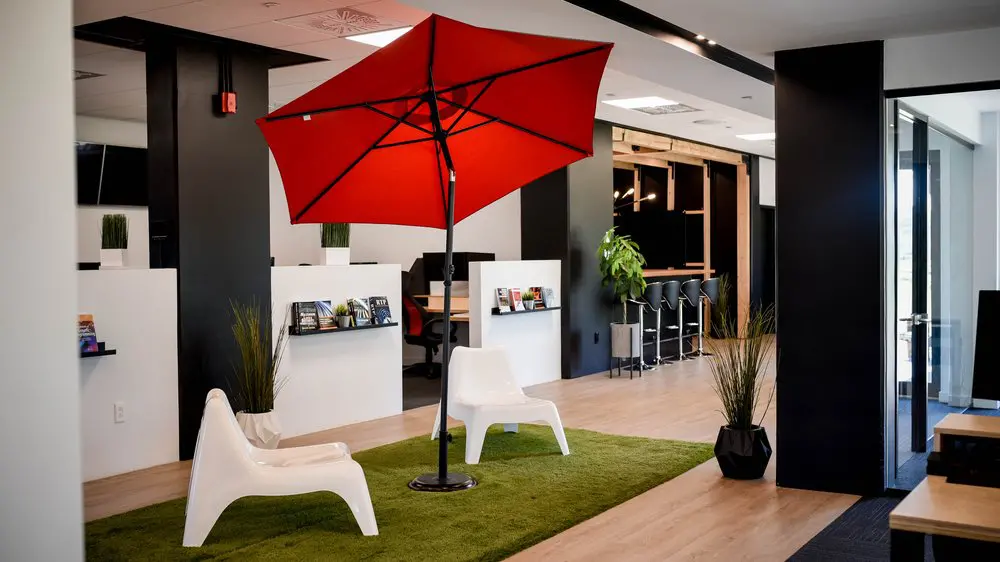
2727 Coworking space, 2727 Saint-Patrick, Montreal
CNESST Obligations for Self-Employed Workers
The Default: No Obligation
The CNESST (Commission des normes, de l'equite, de la sante et de la securite du travail) is Quebec's workplace health and safety board. For freelancers operating without employees, the rules are clear: a self-employed worker without employees has no obligation to register with CNESST[24].
This means you are not required to pay CNESST premiums, and you are not covered by CNESST's workplace accident and occupational disease insurance. If you slip on ice walking to a client meeting and break your wrist, CNESST will not cover your medical expenses or lost income.
Voluntary Protection
CNESST offers voluntary protection for self-employed workers who want coverage. The cost depends on your declared income and the risk classification of your occupation. For a typical office-based freelancer (IT consultant, designer, writer) declaring $50,000 in income, annual premiums typically range from $800-$1,500.
Whether voluntary CNESST coverage is worth the cost depends on your personal situation. If you have comprehensive private insurance (health, disability, income replacement), CNESST may be redundant. If you lack private coverage, the voluntary CNESST plan provides a safety net at a reasonable cost. For more on insurance considerations, see our Quebec freelancer insurance guide.
For a comprehensive overview of CNESST obligations and how they apply to freelancers and small businesses, see our CNESST compliance guide.
The Reclassification Risk
There is an important exception that every freelancer should understand. If you work primarily for a single client, performing work similar to what their employees do, under similar conditions of supervision and control, CNESST may reclassify you as a worker rather than a self-employed person. In that case, your client becomes liable for CNESST premiums retroactively [25].
This reclassification risk is not theoretical. It is one of the most common compliance issues for freelancers in Quebec, and it can create serious financial and legal consequences for both the freelancer and the client. To mitigate this risk: maintain multiple clients, use your own equipment, set your own schedule, and invoice for deliverables rather than hours. For more on cross-border and payroll compliance issues that affect freelancers, see our guide on Canadian remote payroll compliance.
Tax Guide for Montreal Freelancers
Understanding Quebec's Tax Brackets
Quebec freelancers face a dual tax system: provincial tax paid to Revenu Quebec and federal tax paid to the Canada Revenue Agency (CRA). The combined burden is significant, but no higher at the top end than what freelancers face in Ontario or British Columbia.
Quebec Provincial Tax Brackets (2025):
Taxable Income
Rate
First ~$51,780
14%
$51,780 - $103,545
19%
$103,545 - $126,000
24%
Over ~$126,000
25.75%
Federal Tax Brackets (2025):
Taxable Income
Rate
First ~$57,375
15%
$57,375 - $114,750
20.5%
$114,750 - $158,468
26%
$158,468 - $220,000
29%
Over $220,000
33%
The combined marginal tax rate for a Quebec freelancer earning over $220,000 can reach approximately 53%, which is comparable to the top rates in Ontario (~53.53%) and British Columbia (~53.5%). At more typical freelancer income levels ($50,000-$80,000), the combined marginal rate ranges from approximately 29% to 42%.
Important filing deadlines for self-employed workers:
June 15: Deadline to file your income tax return
April 30: Deadline to pay any balance owing (yes, the payment deadline is earlier than the filing deadline)
Key Tax Deductions for Quebec Freelancers
Revenu Quebec allows self-employed persons to deduct any reasonable expense incurred to earn business income[8]. Understanding and maximizing these deductions is one of the most impactful financial decisions a freelancer can make. Every dollar of legitimate deduction reduces your taxable income at your marginal rate.
Home Office Expenses. If you work from home, you can deduct a proportional share of your housing costs: rent (or mortgage interest, not principal), property taxes, electricity, heating, home insurance, and maintenance costs. The deduction is calculated based on the percentage of your home used exclusively for business (e.g., if your home office is 150 sq ft of a 1,000 sq ft apartment, you deduct 15% of eligible expenses). Your home office must be your principal place of business or be used exclusively and regularly to meet clients [26].
Coworking Memberships and Office Rent. Coworking memberships are deductible as a business expense, classified as office rent on your tax return. This includes hot desk memberships, dedicated desk plans, private office rent, meeting room bookings, and virtual office fees. See the detailed section below on coworking as a tax deduction.
Equipment and Technology. Computers, monitors, keyboards, printers, software subscriptions, and office furniture are deductible. Items over $500 are typically depreciated using Capital Cost Allowance (CCA) rather than expensed in a single year, though immediate expensing provisions may apply.
Professional Development. Courses, certifications, conferences, workshops, books, and training materials related to your field are deductible.
Travel and Transportation. Business travel expenses including flights, hotels, meals (50% deductible), ground transportation, and vehicle expenses (business-use portion) are deductible [27].
Professional Fees. Accounting, legal, bookkeeping, and other professional service fees are fully deductible.
Insurance. Business insurance premiums (professional liability, errors and omissions, cyber insurance) are deductible.
Telephone and Internet. The business-use portion of your phone plan and internet service is deductible. If you use your personal phone 60% for business, you deduct 60% of the cost.
Office Supplies. Stationery, printer ink, postage, and consumable supplies are fully deductible in the year purchased.
Unlike employees who have taxes deducted at source, freelancers must proactively pay their taxes. If your tax bill is large enough, you are required to make quarterly installment payments rather than a single lump sum at tax time.
Quebec (Revenu Quebec): Installments are required if your estimated net income tax payable exceeds $1,800 for the current year [28].
Federal (CRA): Installments are required if your net tax owing exceeds $3,000 in the current year and in either of the two preceding years [29].
Installment due dates for both levels are: March 15, June 15, September 15, and December 15.
Missing or underpaying installments triggers interest charges. Revenu Quebec and the CRA calculate installment interest daily on any shortfall, and the rates are not trivial. Setting up automatic transfers to a dedicated tax savings account is the simplest way to ensure you always have funds available for installments.
The 30-40% Rule
The single most important financial discipline for Quebec freelancers is simple: set aside 30-40% of every payment you receive in a separate savings account dedicated to taxes. This amount covers:
Federal income tax
Quebec provincial income tax
QPP contributions (the self-employed rate is roughly double the employee rate)
QPIP premiums
At an income of approximately $60,000, a Quebec freelancer should expect to pay $15,000-$20,000 in combined federal and provincial tax, plus QPP and QPIP contributions [6]. Setting aside 35% from every invoice ensures you are never caught off guard at tax time.
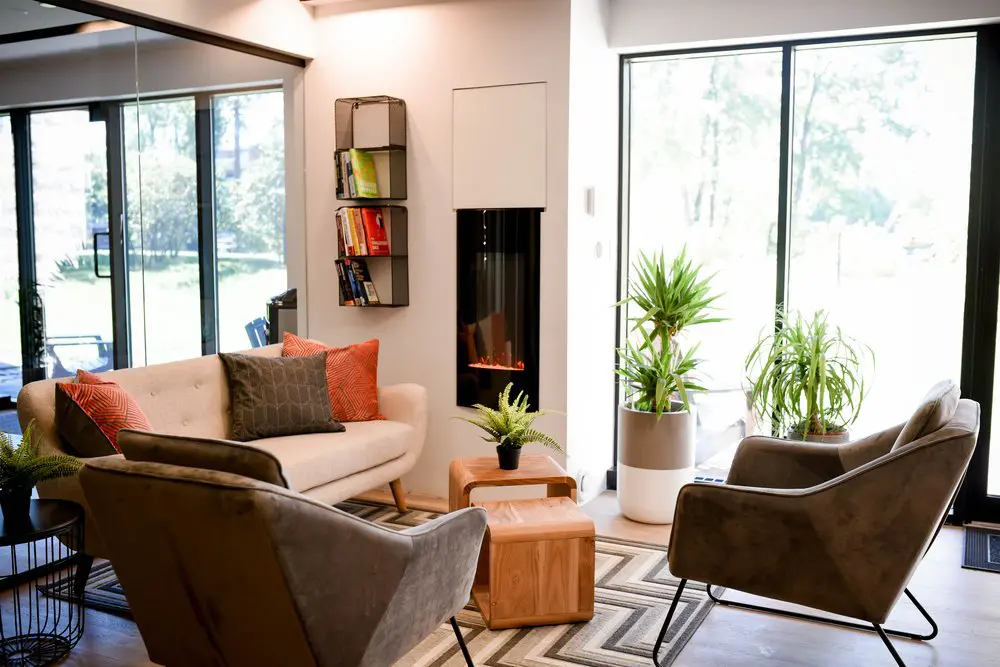
2727 Coworking space, 2727 Saint-Patrick, Montreal
QPP and QPIP: Retirement and Parental Benefits for Freelancers
Quebec Pension Plan (QPP) Contributions
One of the most significant financial differences between employment and self-employment in Quebec is the QPP (Quebec Pension Plan) contribution. As an employee, your employer pays half of the QPP contribution and you pay the other half. As a self-employed worker, you pay both halves[30].
The numbers are substantial:
Base contribution rate (self-employed): 10.8% (compared to 5.4% for employees)
First additional contribution rate: 2% (compared to 1% for employees)
Maximum pensionable earnings: $71,300
Additional maximum pensionable earnings: $81,200 (second additional rate: 8%)
Maximum base contribution (self-employed): approximately $9,470 (compared to ~$4,735 for an employee)
This double QPP contribution is the single largest non-income-tax cost that Quebec freelancers face. It is also the reason why the "set aside 30-40%" rule exists: QPP alone can represent 10-12% of your income before you even consider income tax [31].
The silver lining: half of your QPP contribution (the "employer" portion) is deductible as a business expense, which reduces your taxable income.
QPIP (Quebec Parental Insurance Plan)
Quebec's parental insurance plan (QPIP/RQAP) is one of the most generous in North America, and unlike the federal Employment Insurance program, self-employed workers in Quebec are automatically eligible for parental benefits [32].
Self-employed premium rate: 0.878% of insurable earnings
Maximum insurable earnings: $98,000 in 2025, $103,000 in 2026
Premium rates will decrease by 13% in 2026
This is a meaningful advantage for freelancers who are planning families. QPIP provides maternity benefits (up to 18 weeks at 70% of income), paternity benefits (up to 5 weeks at 70%), and parental benefits (up to 32 weeks at 70% or 25 weeks at 75%), all based on your self-employment income from the previous year. No equivalent program exists for self-employed workers in other Canadian provinces, making this a unique Quebec benefit.
Coworking as a Tax Deduction
How to Claim Coworking Expenses
Coworking membership fees are deductible as a legitimate business expense for self-employed workers in Quebec. The deduction is claimed on Form TP-80-V (Statement of Business or Professional Activities) for Quebec provincial taxes and Form T2125 (Statement of Business or Professional Activities) for federal taxes [8].
Coworking expenses are typically classified under "Rent" or "Other expenses" on these forms. Keep all receipts and invoices from your coworking provider as supporting documentation.
Coworking vs Home Office Deduction
An important tax planning consideration: if you use both a home office and a coworking space, you should generally choose one deduction rather than claiming both (unless you can clearly demonstrate that each is used for a distinct business purpose). In many cases, the coworking deduction is more advantageous than the home office deduction:
Coworking deduction advantages:
The full membership amount is deductible (no proportional calculation needed)
A $300/month coworking membership = $3,600/year deduction
Simple documentation: a single monthly invoice from your coworking provider
No risk of home office audit complications
No impact on principal residence capital gains exemption
Home office deduction for comparison:
Requires calculating the business-use percentage of your home
In a typical Montreal apartment (700 sq ft) with a 100 sq ft office, you deduct approximately 14% of eligible expenses
Risk of reduced principal residence exemption in rare cases
For a freelancer paying $300/month for coworking, the coworking deduction ($3,600/year) exceeds the typical home office deduction ($3,156/year) while being simpler to document and carrying no audit risk related to your home. The coworking deduction also captures the value of amenities (internet, coffee, meeting rooms, printing) that would otherwise need to be claimed separately.
2727 Coworking space, 2727 Saint-Patrick, Montreal
Where to Work: Workspace Options Compared
Choosing where to work is one of the most impactful decisions a freelancer makes. The workspace affects productivity, mental health, professional identity, and tax position. Here is an honest assessment of each option available to Montreal freelancers.
Working from Home
Advantages:
Zero commute time and cost
Maximum schedule flexibility (start at 6am or midnight)
Complete control over your environment (temperature, noise, lighting)
Home office expenses are tax-deductible (proportional to business use)
Disadvantages:
The research on remote work isolation has become impossible to ignore. A study published in the Journal of Affective Disorders found that adults working remotely 3-4 days per week had significantly higher odds of experiencing loneliness, with risk increasing further at 5+ days per week [33]. Meta-analyses published in peer-reviewed journals have established that loneliness and social isolation are associated with poorer cardiovascular outcomes, greater risks of depression and anxiety, and higher all-cause mortality[34].
Research published in Frontiers in Organizational Psychology documented the hidden costs of working from home: missing casual conversations leads to increased stress, reduced productivity, and a erosion of professional identity that compounds over time [35]. Approximately 15% of remote workers report loneliness as a major struggle, and this figure likely underrepresents the problem because many remote workers normalize isolation and do not recognize it as a source of their reduced wellbeing.
Beyond isolation, home-based freelancers face practical challenges: household distractions (laundry, dishes, family members), blurred work-life boundaries that lead to either overwork or underwork, and the home address privacy issue discussed above.
Cafes
Montreal has an excellent cafe culture, and many freelancers romanticize the idea of working from cafes. The reality is more complicated.
Advantages:
Change of scenery boosts creativity
Ambient noise at moderate levels can enhance creative thinking
Social atmosphere without the commitment of a membership
Affordable for occasional use
Disadvantages:
The real cost is $10-$24 per day. Cafe etiquette requires ordering every 60-90 minutes. At $5-$8 per coffee, a 4-6 hour work session costs $10-$24. Over a month, regular cafe working costs $200-$500, comparable to or more expensive than a coworking membership with none of the infrastructure [36]
WiFi is often unreliable, slow, or subject to time limits
No guaranteed power outlets (and charging your laptop at a cafe is not always welcome)
No privacy for client calls, video meetings, or sensitive work
No ergonomic setup (cafe chairs are designed for short visits, not 6-hour work sessions)
Cannot receive business mail or use as a professional address
No meeting space for client meetings
Public Libraries
Montreal's public library system offers a genuine free workspace option, with BAnQ Grande Bibliotheque as the crown jewel.
Advantages:
Free to use with a library card
BAnQ Grande Bibliotheque offers 1,300 reading seats, 850 study carrels, 350 computer stations, and free WiFi
Montreal has 45 public libraries across boroughs
Quiet, focused environment ideal for deep work
Disadvantages:
No phone calls or video meetings allowed
Limited hours (most close by 8-9pm; many are closed Sunday and Monday)
No food or drink at desks
No dedicated storage for personal items
Cannot receive mail or use as a business address
No meeting rooms available for client meetings
No guarantee of a seat during peak periods (BAnQ's study carrels fill up quickly)
No community of peers (libraries are places for solitary work, not professional networking)
Libraries are an excellent complement to other workspace options (great for a focused writing session on a Saturday afternoon) but are impractical as a primary workspace for most freelancers.
Coworking Spaces
Research consistently demonstrates that coworking spaces produce measurable benefits for independent professionals:
74% of coworking members report being more productive in a coworking space than working alone [7]
Stanford research found that working around others fuels intrinsic motivation and makes individuals 50% more effective at completing tasks
Harvard Business Review research found that people in coworking spaces report a thriving score of 6 out of 7, well above the average for conventional office workers. The three factors driving this: a sense of autonomy, meaningful work, and community belonging [37]
Research from the Harvard T.H. Chan School of Public Health found that improved indoor air quality, ventilation, and temperature control in well-designed workspaces can increase cognitive performance by up to 61%[38]
A study published in Frontiers in Psychology identified overcoming socio-professional isolation as the primary reason self-employed workers seek coworking, confirming that the community benefit is not secondary but central to the coworking value proposition [39]
What coworking provides that other options cannot:
Professional business address (keeping your home address private)
Reliable, business-grade internet
Ergonomic furniture designed for all-day use
Meeting rooms for client presentations and video calls
Kitchen and coffee facilities included in membership
Community of peers who understand the freelancer experience
Networking opportunities and potential client referrals
Tax-deductible as a business expense
Clear work-life boundary (a commute, even a short one, creates a ritual that activates "work mode")
Saint-Henri is Montreal's best-kept secret for freelancers, though the secret is getting out. This former working-class neighborhood in the Sud-Ouest borough has transformed into a creative and entrepreneurial hub while retaining the character that makes it authentically Montreal. Tree-lined residential streets sit alongside converted industrial buildings, and the Lachine Canal bike path provides a scenic corridor for commuting, exercise, and mental health breaks.
2727 Coworking is located at 2727 Saint-Patrick in Saint-Henri, in a converted industrial building along the Lachine Canal. The neighborhood offers microbreweries (Atelier Brassicole, Helm), excellent restaurants along Notre-Dame West, the Atwater Market for fresh food, and easy metro access via Place-Saint-Henri station on the Green Line.
For freelancers, Saint-Henri offers the crucial combination of lower rent than the Plateau or downtown, inspiring workspace environments in converted industrial buildings, and a community of creative and tech workers who have chosen the neighborhood precisely because it values authenticity over pretension. For more on the Saint-Henri freelancer and coworking scene, see our guide to coworking in Saint-Henri.
Griffintown
Adjacent to Saint-Henri along the Lachine Canal, Griffintown is Montreal's most dramatic example of urban reinvention. Its population grew by 642% between 2011 and 2021, attracting a young, professional demographic. Major tech companies including Autodesk have established offices here, and the neighborhood's converted industrial buildings offer the soaring ceilings, massive windows, and raw aesthetic that creative professionals gravitate toward.
Griffintown offers excellent transit access via Charlevoix metro station, and the future REM Griffintown-Bernard Landry station will add rapid transit connections. The neighborhood's mix of new condos, restaurants, and canal-side amenities makes it ideal for freelancers who want to live and work in the same area. For a detailed profile, see our guide to coworking in Griffintown.
Plateau-Mont-Royal
The Plateau is Montreal's quintessential creative neighborhood. Its colorful row houses, independent bookstores, and dense cafe culture have attracted artists, writers, and creative professionals for decades. Coworking options include several established spaces, and the neighborhood's walkability score is among the highest in Canada.
The trade-off is cost: Plateau rents are higher than Saint-Henri or Verdun, and the neighborhood's popularity means that cafes and coworking spaces can be crowded. But for freelancers who thrive in a vibrant, pedestrian-oriented urban environment, the Plateau remains one of Montreal's top choices.
Mile End
Mile End is where Montreal's artistic and tech communities overlap. Home to game studios, music labels, and creative agencies, the neighborhood has a concentration of freelancers in design, media, and technology that is difficult to match. Cooperative coworking spaces like Temps Libre reflect the neighborhood's community-oriented values, and the cafe scene (Saint-Viateur Bagel, Olympico, Crew Cafe) is legendary.
Mile End is ideal for freelancers in creative industries who value community integration and do not mind slightly higher rents than outer neighborhoods.
Verdun
Verdun is Montreal's emerging freelancer neighborhood. More affordable than the Plateau or Mile End, with excellent metro access (three Green Line stations), a revitalized Wellington Street with cafes, restaurants, and shops, and waterfront access along the St. Lawrence, Verdun offers genuine value for freelancers building their practices. The neighborhood's ongoing development means that early arrivals benefit from lower costs while the infrastructure continues to improve.
2727 Coworking space, 2727 Saint-Patrick, Montreal
Networking and Community for Montreal Freelancers
Regular Meetups and Groups
Building a professional network is not optional for freelancers; it is a business necessity. Clients, collaborators, mentors, and referral partners all come from your network. Montreal offers a robust ecosystem of meetups and professional groups for independent workers:
Montreal NewTech hosts regular tech meetups for entrepreneurs, developers, and innovators. These events are excellent for freelance developers, designers, and tech consultants looking to connect with potential clients and collaborators.
Montreal Small Business Network (on Meetup) brings together entrepreneurs for networking, referrals, and mutual support.
Montreal Professionals Reseautage/Networking runs regular bilingual networking events that draw freelancers from across industries.
Tech Montreal serves as an umbrella tech community organization, connecting freelancers with the broader technology ecosystem.
AQIII (Association quebecoise des informaticiennes et informaticiens independants) is the most significant professional association for freelance IT workers in Quebec. Representing over 25,100 self-employed IT professionals with approximately 1,200 active members, AQIII offers group insurance, mentorship, networking events, and mandate facilitation (helping match freelancers with client projects). If you are a freelance IT professional in Quebec, AQIII membership is one of the highest-value investments you can make [40].
Mila (Quebec AI Institute) hosts regular community events, research talks, and networking opportunities for AI and ML professionals. For freelance AI consultants and data scientists, Mila events provide access to cutting-edge research and potential clients.
Other relevant associations include AQTIS (film and TV technicians), RAAV (visual artists), and various professional orders (accounting, engineering, architecture) that serve independent practitioners.
Major Events
Montreal's annual event calendar includes several conferences that are particularly valuable for freelancers:
Startupfest -- the annual entrepreneurship festival that connects founders, investors, and the broader startup ecosystem. Freelancers who serve startup clients should attend
C2 Montreal -- the creativity and commerce conference held at the Grand Quai du Port in May, drawing thousands of creative professionals and business leaders
World Summit AI (April) -- relevant for the AI freelancer community
MURAL Festival (June) -- connecting the creative economy community
Online Platforms for Finding Clients
The major freelance platforms all have active Canadian markets:
Upwork remains the dominant platform with $769.3 million in revenue in 2024, 18 million registered freelancers globally, and a 61.25% market share among freelance platforms [41]
Fiverr projects processing 25 million jobs in 2025 (+15% year-over-year)
Toptal focuses on top-tier tech talent and pays premium rates
Freelance.ca is a Canadian-focused platform worth exploring for domestic clients
Workhoppers is another Canadian marketplace connecting freelancers with local businesses
Coworking Community Events
Coworking spaces are networking hubs by design. Most spaces host regular events including lunch-and-learns, industry panels, happy hours, skill-sharing sessions, and community dinners. These events provide organic networking opportunities that are often more valuable than structured networking events because they happen in a context of shared space and mutual familiarity. For an overview of coworking-based networking in Montreal, see our guide to networking events.
Practical Montreal Info for Freelancers
Transit
Montreal's public transit system (STM) provides comprehensive metro and bus coverage across the island. For freelancers commuting to a coworking space, client offices, or meetings, the monthly pass is the most cost-effective option:
Reduced fare (6-17, students 18+, seniors 65+): $62.75
Monthly Zone B (Laval): $164.50
Single trip: approximately $3.75
The Green Line is particularly relevant for freelancers in the Saint-Henri/Griffintown corridor, with Place-Saint-Henri and Charlevoix stations providing downtown access in under 10 minutes. The upcoming REM (Reseau express metropolitain) will add rapid transit connections to the South Shore, West Island, and airport.
Many Montreal freelancers use BIXI (the city's bike-share system) for spring-through-fall commuting, and the Lachine Canal bike path provides a car-free corridor between Saint-Henri, Griffintown, Old Montreal, and the Plateau.
Internet Providers for Home Office
Reliable internet is non-negotiable for freelancers. Quebec has the cheapest internet prices among all Canadian provinces, thanks to competition from Videotron and a strong independent ISP market. Here is a comparison of the major options for home office use [43]:
Provider
Speed
Monthly Cost
Best For
Oxio
500/500 Mbps fiber
$65/mo
Best overall value; no price hikes; free equipment
Bell Pure Fibre
Up to Gigabit
$80-120/mo
Fastest median speeds (332/285 Mbps); $100 install fee
Videotron
400 Mbps cable
$70-90/mo
Strong regional provider; 50 Mbps upload
EBOX
120-1000 Mbps
$55-85/mo
No contract; good value
Fizz
120-500 Mbps
$50-75/mo
Budget-friendly; runs on Videotron network
TekSavvy
75-1000 Mbps
$50-90/mo
Consumer-friendly policies
For freelancers who rely on video conferencing, fiber internet with symmetrical upload speeds is strongly recommended. Cable internet often has low upload speeds (10-50 Mbps) that can cause video quality issues during calls. Oxio and Bell fiber both offer symmetrical connections.
All independent ISPs listed above offer unlimited data with no long-term contracts, which means you can switch providers without penalty if your service is unsatisfactory.
Cost of Living Budget for Montreal Freelancers
Understanding your monthly fixed costs is essential for setting freelance rates and managing cash flow. Here is a realistic budget for a single freelancer living in Montreal [44]:
Category
Low Estimate
High Estimate
Rent (1BR apartment)
$1,250
$1,722
Utilities (heat, electricity, water)
$120
$200
Internet + phone
$90
$110
Groceries
$300
$550
Transit (monthly pass)
$104.50
$104.50
Coworking membership
$200
$400
Total monthly
~$2,065
~$3,087
Total annual
~$24,780
~$37,044
Research suggests that the minimum after-tax income for "living with dignity" in Montreal is approximately $40,084/year. For a comfortable lifestyle that includes dining out, entertainment, travel, and savings, most freelancers need $50,000-$70,000 in gross income, depending on their tax situation and whether they are incorporated.
The key comparison: In Toronto, the equivalent monthly budget ranges from approximately $2,800-$4,500, and in Vancouver from $2,600-$4,200. Montreal's 20-40% lower housing costs and lower overall cost of living mean that a freelancer here can achieve the same quality of life at significantly lower income, or save and invest significantly more at the same income [4].
Bill 96 and Language Requirements
Quebec's Charter of the French Language, strengthened by Bill 96 (2022), requires businesses to operate primarily in French. For freelancers, the practical implications include:
Public-facing business communications (website, marketing, invoices) should be available in French
Contracts with Quebec-based clients should be available in French
If you hire employees or subcontractors, workplace communication must be in French
Bilingual service (French and English) is expected in most professional contexts
For anglophone freelancers serving primarily non-Quebec clients (international remote work, for example), the day-to-day impact is minimal. But understanding and respecting Quebec's language landscape is essential for building local relationships and credibility. For a detailed analysis, see our Bill 96 business compliance guide.
2727 Coworking space, 2727 Saint-Patrick, Montreal
Frequently Asked Questions
How do I register as a freelancer in Quebec?
If you operate under your full legal name only, you do not need to register. You can begin freelancing immediately by invoicing clients under your own name. If you use a business name (any name other than your exact legal name), you must register with the Registraire des entreprises du Quebec. Registration is completed online and costs between $36 and $356 depending on business type. The process typically takes a few business days. For a step-by-step guide, see our Quebec business registration guide and our guide on starting a freelance business in Montreal.
Do I need an NEQ number to freelance in Montreal?
Not necessarily. The NEQ (Quebec Enterprise Number) is assigned when you register a business with the Registraire des entreprises. If you freelance under your full legal name, registration (and therefore an NEQ) is not required. If you use a business name, registration is mandatory and you will receive an NEQ beginning with "22." The NEQ is assigned to you as a person, not to a specific business, so if you close and start a new business, you keep the same NEQ [18].
How much tax do freelancers pay in Quebec?
Quebec freelancers pay both provincial and federal income tax plus QPP and QPIP contributions. The combined tax burden depends on income level. At $50,000 gross income, expect approximately $12,000-$15,000 in income tax plus approximately $5,000-$6,000 in QPP/QPIP contributions. At $80,000, expect approximately $20,000-$25,000 in income tax plus approximately $8,000-$9,000 in QPP/QPIP. The combined marginal tax rate ranges from about 29% at lower freelancer incomes to approximately 53% at the highest bracket. Most Quebec freelancers should set aside 30-40% of gross income for taxes and contributions [6].
Can I deduct coworking from my taxes in Quebec?
Yes. Coworking membership fees are fully deductible as a business expense for self-employed workers in Quebec. Claim the expense on Form TP-80-V (Quebec) and Form T2125 (federal) under rent or other business expenses. Keep your monthly invoices or receipts from the coworking provider as documentation. In many cases, the coworking deduction is more advantageous than a home office deduction because it requires no proportional calculation and carries no audit complexity [8].
What is the GST/QST threshold for freelancers?
The small supplier threshold is $30,000. If your total worldwide taxable supplies are $30,000 or less in four consecutive calendar quarters, you are not required to register for GST/QST. Once your revenue exceeds $30,000 in any 12 consecutive months (or in a single quarter), you must register within 30 days. Voluntary registration is possible and potentially beneficial if you have significant business expenses, as it allows you to claim input tax credits on your purchases [23].
Do freelancers need CNESST coverage in Quebec?
Self-employed workers without employees are not required to register with or pay premiums to CNESST. However, voluntary protection is available and provides workplace accident and occupational disease insurance. The cost depends on your declared income and occupational risk classification. If you lack private disability and income replacement insurance, voluntary CNESST coverage is worth considering. Be aware that if you work primarily for one client in conditions similar to employment, CNESST may reclassify you as a worker, making your client responsible for premiums [24]. For more details, see our CNESST guide for small businesses.
What is the best neighborhood for freelancers in Montreal?
It depends on your priorities and budget. Saint-Henri offers the best value with lower rents, inspiring converted industrial spaces, the Lachine Canal, and a creative community. Griffintown provides a more modern, condo-oriented environment with strong transit and tech industry presence. Plateau-Mont-Royal has the most vibrant cafe and street culture but higher rents. Mile End is ideal for creative industry freelancers who value artistic community. Verdun is the best budget option with emerging amenities and good metro access. For workspace specifically, 2727 Coworking in Saint-Henri offers hot desking, dedicated desks, and private offices in a canal-side industrial building.
How much should freelancers set aside for taxes in Quebec?
The standard recommendation is 30-40% of gross income. This covers federal income tax, Quebec provincial income tax, QPP contributions (which are doubled for the self-employed at a base rate of 10.8%), and QPIP premiums (0.878%). At $60,000 in gross income, expect total tax and contribution obligations of approximately $15,000-$20,000. The simplest approach is to transfer 35% of every payment into a dedicated savings account as soon as the payment clears, ensuring you always have funds available for quarterly installments and year-end balances.
Is Montreal cheaper than Toronto for freelancers?
Yes, significantly. The most impactful difference is housing: average 2-bedroom rent in Montreal is approximately $1,800/month compared to $2,800 in Toronto, a difference of $12,000/year. Coworking costs are also lower ($200-$400/month vs $350-$600), transit passes cost less ($104.50 vs $156), and general cost of living is 15-25% lower. While Quebec's provincial tax rates are higher, the combined top marginal rate is nearly identical to Ontario's (~53% vs ~53.53%). The net result is that a Montreal freelancer needs $15,000-$30,000 less in gross annual income to achieve the same standard of living as a Toronto freelancer [4].
Where can freelancers network in Montreal?
Montreal offers multiple networking channels for freelancers. Meetup groups like Montreal NewTech, Montreal Small Business Network, and Montreal Professionals host regular events. Industry associations like AQIII (for IT freelancers, with 25,100+ members) provide mentorship, insurance, and mandate matching. Annual conferences including Startupfest, C2 Montreal, and World Summit AI attract national and international audiences. Coworking spaces host community events (lunch-and-learns, panels, happy hours) that provide organic networking. Online platforms including Upwork, Fiverr, freelance.ca, and Workhoppers connect freelancers with clients. For a detailed calendar, see our Montreal networking events guide.
Can I use a coworking address as my business address in Quebec?
Yes. Quebec's Registraire des entreprises allows you to register a coworking space address as your professional business address. This keeps your home address off the publicly searchable enterprise register. The address must be a real, physical commercial location (not a P.O. Box). Since March 2023, Quebec has explicitly allowed individuals to file a professional address regardless of their role. A coworking membership or virtual office provides this address along with mail receiving capabilities. For a full analysis of the risks of using your home address, see our guides on business address legal risks and using a home address for business.
Do self-employed workers in Quebec get parental leave benefits?
Yes, and this is a significant advantage of working in Quebec compared to other provinces. The Quebec Parental Insurance Plan (QPIP/RQAP) covers self-employed workers automatically. You pay premiums of 0.878% on insurable earnings up to $103,000 (2026), and in return you are eligible for maternity benefits (up to 18 weeks at 70% of income), paternity benefits (up to 5 weeks at 70%), and parental benefits (up to 32 weeks at 70% or 25 weeks at 75%). Benefits are calculated based on your self-employment income from the previous year. No equivalent program exists for self-employed workers in other Canadian provinces [32].
Conclusion
Montreal is not just a good city for freelancers. It is, by the numbers, one of the best cities in North America for building an independent career. The combination of housing costs that are 20-40% below Toronto and Vancouver, a deep talent ecosystem in technology, AI, gaming, and creative industries, institutional support through organizations like AQIII, and a culture that genuinely values autonomy and creative independence creates conditions where freelancers can build sustainable, fulfilling careers.
The practical steps are clear. Register as a travailleur autonome if you use a business name. Protect your privacy by using a professional business address through a coworking space or virtual office rather than exposing your home address on the public register. Understand your GST/QST obligations and register voluntarily if the math favors it. Set aside 30-40% of every payment for taxes, QPP, and QPIP. Maximize your deductions by claiming coworking memberships, equipment, professional development, and other legitimate business expenses.
And do not underestimate the workspace decision. The research is unambiguous: freelancers who work in isolation face higher rates of loneliness, reduced productivity, and poorer health outcomes. Coworking spaces exist precisely to solve this problem, providing the community, structure, and professional infrastructure that independent workers need to thrive. At $200-$400/month in Montreal (fully tax-deductible), coworking is not an expense; it is an investment in your productivity, mental health, and professional growth.
Montreal rewards freelancers who take the time to understand its systems and integrate into its communities. The city's bilingual culture, affordable cost of living, world-class infrastructure, and tight-knit professional networks create an environment where independent work is not just viable but genuinely advantageous. Whether you are a software developer deploying to production at midnight, a graphic designer meeting clients over coffee on Notre-Dame West, or a consultant dialing into calls from a canal-side coworking space, Montreal offers the conditions to do your best work on your own terms.
2727 Coworking space, 2727 Saint-Patrick, Montreal
References
[1] Statistics Canada: Experiences of Self-Employed Workers in Canada, 2023