Coworking in Saint-Henri, Montreal: Guide to Flexible Workspaces
Saint-Henri has emerged as one of Montreal's most dynamic neighborhoods for professionals, freelancers, and growing businesses seeking flexible workspace solutions. Once a working-class industrial district, this Sud-Ouest borough neighborhood has undergone a remarkable transformation over the past two decades, evolving into a creative hub where repurposed factories, canal-side lofts, and a thriving food scene converge to create an environment uniquely suited to the modern knowledge worker [1].
This guide provides an in-depth analysis of the coworking landscape in Saint-Henri and the broader Sud-Ouest borough, examining the neighborhood's unique advantages as a workspace destination, the transit infrastructure that connects it to the rest of Montreal, the competitive landscape of flexible office providers, and practical considerations for professionals evaluating their next workspace move.
Executive Summary
The coworking market in Montreal has shown remarkable resilience, even as global operators like WeWork restructured through bankruptcy [2]. Canada's flexible workspace sector continues to grow, with the national coworking inventory expanding significantly since 2019 [3]. Within this landscape, Saint-Henri and the surrounding Sud-Ouest borough have carved out a distinct position as Montreal's creative-professional corridor, attracting a demographic of young, university-educated professionals who value both community and convenience.
Key findings of this analysis include:
Saint-Henri's population skews heavily toward young professionals aged 25-34, who make up 27.1% of the neighborhood's residents compared to the Montreal average of 17% [4]
The neighborhood benefits from exceptional transit connectivity, with three metro stations (Charlevoix, Place Saint-Henri, and Lionel-Groulx) serving the area across both the Green and Orange lines [5]
The Lachine Canal corridor provides both a lifestyle amenity and a physical connection to Griffintown, downtown, and the Old Port, making the area attractive for bicycle commuters and remote workers alike [6]
Coworking pricing in the Saint-Henri area ranges from approximately $20/day for hot desks to $500+/month for private offices, positioning the neighborhood competitively against downtown Montreal where commercial rents are significantly higher [7]
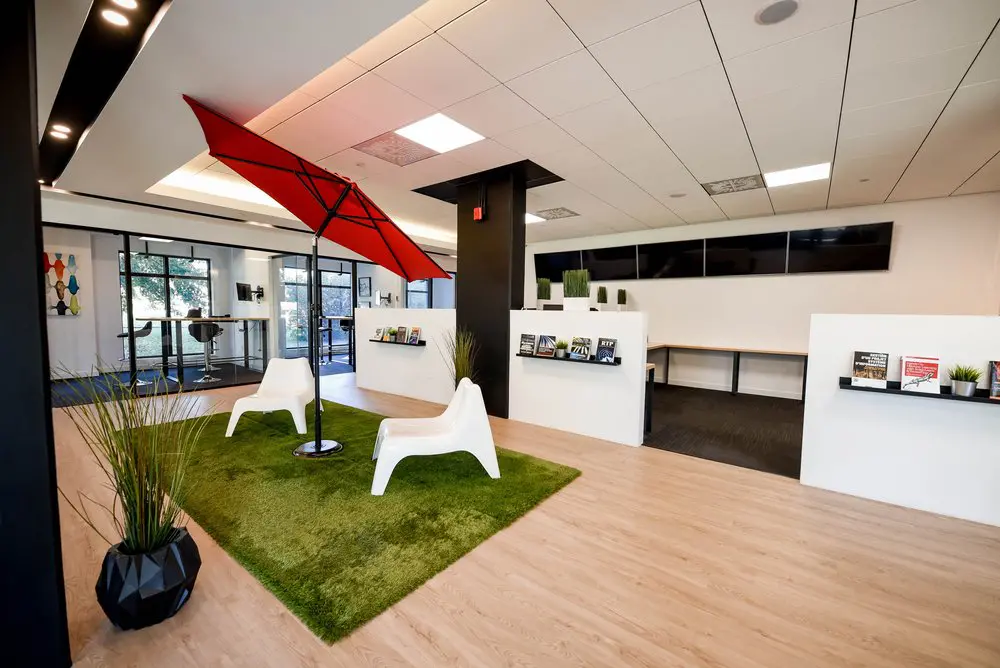
2727 Coworking space, 2727 Saint-Patrick, Montreal
The Evolution of Saint-Henri: From Industrial Heartland to Creative Hub
Historical Context
Saint-Henri's story is inseparable from Montreal's industrial history. The neighborhood developed in the late 19th century as a manufacturing center, its growth fueled by proximity to the Lachine Canal, which served as the primary transportation corridor for goods moving between the Great Lakes and the Atlantic Ocean [8]. Factories producing textiles, steel, paint, and food products lined the canal and the streets radiating outward from it, creating a dense, working-class community of factory workers and their families [1].
The decline of canal-based shipping in the mid-20th century and the broader deindustrialization of Montreal's economy left Saint-Henri with a surplus of vacant industrial buildings and a population facing economic displacement. For decades, the neighborhood was characterized by high unemployment, low property values, and a slowly diminishing population [9].
The Transformation
The reopening of the Lachine Canal as a recreational waterway in 2002, combined with broader gentrification pressures in Montreal, catalyzed Saint-Henri's transformation. Artists and creative professionals were among the first to discover the neighborhood's appeal: vast industrial spaces with high ceilings, exposed brick, and abundant natural light available at a fraction of downtown rents [10].
The Darling Foundry, a former ironworks converted into a visual arts center with exhibition spaces, production workshops, and 13 artist studios, became emblematic of this transformation [11]. Similar conversions followed throughout the neighborhood, with warehouses becoming loft apartments, galleries, tech offices, and coworking spaces.
Today, Saint-Henri is recognized by Tourism Montreal as one of the city's most exciting quartiers, celebrated for its cutting-edge galleries, expanding restaurant network, and growing community of creative professionals and entrepreneurs [10].
Demographics and the Coworking Opportunity
The demographic makeup of Saint-Henri has shifted dramatically. According to community profile data from Centraide du Grand Montréal, the neighborhood now has an unusually large concentration of young adults aged 25-34, who represent 27.1% of residents, far above the Montreal average of 17% [4]. Nearly half (48%) of all households are single-person households, suggesting a high proportion of independent professionals and freelancers.
The influx has been characterized by higher educational attainment, more professional and managerial occupations, and rising median incomes [12]. This demographic profile aligns precisely with the typical coworking user: young, educated, working in knowledge-economy sectors, and valuing flexibility and community over the rigidity of traditional commercial leases [13].
Transit Infrastructure: Getting to Work in Saint-Henri
One of Saint-Henri's most significant advantages as a coworking destination is its exceptional public transit connectivity. Unlike some trendy neighborhoods that sacrifice accessibility for atmosphere, Saint-Henri sits at a genuine transit crossroads.
Metro Stations
The neighborhood is served by three metro stations spanning two lines, providing direct connections to virtually every major employment center in Montreal:
The Lionel-Groulx station deserves particular mention as one of Montreal's most important transit hubs. As the intersection of the Green and Orange lines, it provides connections to virtually every corner of the metro network. Bus routes 57, 101, 107, 108, 190, 211, 350, 405, 411, 425, 496, and 747 (the airport express) all serve or connect through this station [15].
For professionals commuting from the South Shore, the Charlevoix station on the Green Line provides a direct connection from Longueuil-Université-de-Sherbrooke without requiring a transfer, making Saint-Henri more accessible than many downtown locations that require additional bus connections from metro stations.
Cycling Infrastructure
Saint-Henri's position along the Lachine Canal gives it direct access to one of Montreal's most important cycling corridors. The canal bike path runs from the Old Port to Lachine, passing directly through the neighborhood and connecting to the broader network of protected cycling lanes [16]. This infrastructure is not merely recreational. Montreal has seen significant growth in bicycle commuting, with the city's cycling modal share among the highest in North America [17].
For coworking users, this means that colleagues commuting from Griffintown, the Plateau, Verdun, or Pointe-Saint-Charles can reach Saint-Henri via protected bike paths in 10-20 minutes, often faster than the equivalent metro journey.
Walk Score and Accessibility
The area around 2727 Saint-Patrick Street achieves strong walkability scores, reflecting its dense urban fabric with nearby amenities including restaurants, cafes, grocery stores, pharmacies, and the Atwater Market [18]. This means coworking members can handle errands, grab lunch, or hold walking meetings without needing a car, contributing to the work-life integration that modern professionals increasingly demand.
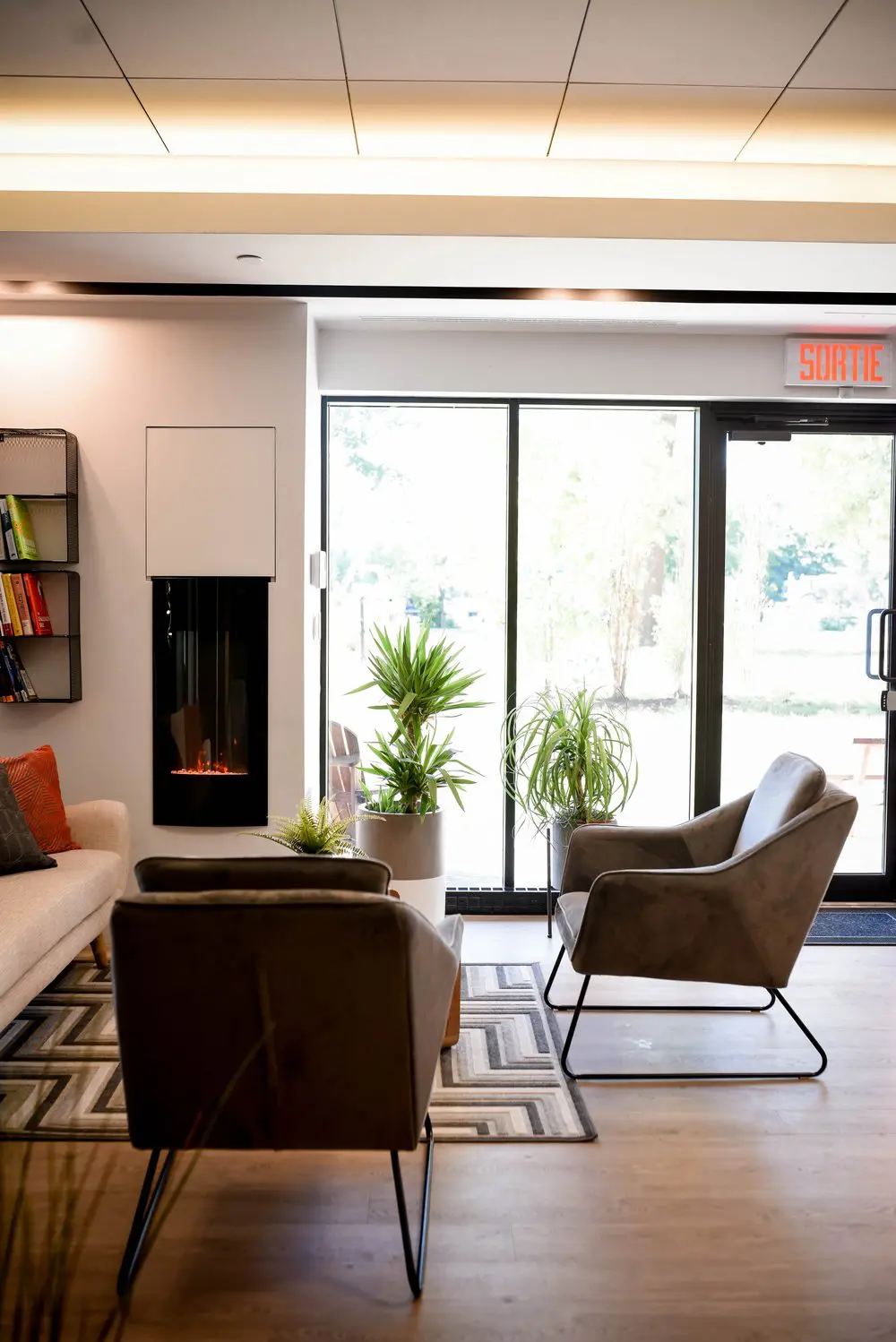
2727 Coworking space, 2727 Saint-Patrick, Montreal
The Saint-Henri Coworking Landscape: Competitive Analysis
Saint-Henri and the broader Sud-Ouest borough host several coworking and flexible workspace operators, each with distinct positioning and target demographics. Understanding this landscape is essential for professionals evaluating their options.
Coworking Spaces in the Saint-Henri Area
IDEAL Coworking
Located in the historic Château St-Ambroise factory complex near the Lachine Canal and Atwater Market, IDEAL Coworking occupies approximately 5,000 square feet across three floors of a converted industrial building [19]. The space features high ceilings, exposed brick, abundant plants, and the industrial-loft aesthetic that characterizes much of Saint-Henri's converted workspace stock.
IDEAL targets independent workers, small businesses, and freelancers, offering hot desks at approximately $20/day or $225/month for unlimited access, dedicated desks from $225-$250/month with 24/7 access, and private offices starting at $500/month. The space includes phone booths, a communal kitchen, lounge areas, and a rooftop terrace overlooking the canal.
Nuage B
Nuage B operates from the Château Saint-Ambroise complex at 4020 Rue Saint-Ambroise, Suite 495, offering coworking spaces, private offices, and fully equipped meeting rooms in what they describe as "former factories transformed into modern commercial lofts" [20]. The space preserves the 19th-century industrial character of the building while adding contemporary amenities. It is located approximately 10 minutes on foot from Place Saint-Henri metro and 12 minutes from Lionel-Groulx.
Le Tableau Blanc
Positioning itself as "the most creative coworking space in Montreal," Le Tableau Blanc occupies a converted industrial loft at 1001 Rue Lenoir, featuring expansive windows and abundant natural light [21]. The space offers open-plan workstations, closed offices, meeting rooms, and an event space capable of hosting up to 200 people. Its community of freelancers, designers, and creative professionals reflects the neighborhood's artistic character. Place Saint-Henri metro is a 7-minute walk away.
Entrepôts Dominion
A premium offering in the neighborhood, Entrepôts Dominion provides coworking space with exposed brick walls, high ceilings, and soundproof work booths. Members have access to a gym, terrace, and seasonal pool access, with preferential rates on meeting rooms for group meetings and events [21].
LORI Hub
Nestled in Saint-Henri, LORI Hub is a coworking space with a distinct focus on supporting female entrepreneurs, though it welcomes men who are working in partnership with them [22]. This niche positioning reflects the growing segmentation of Montreal's coworking market.
2727 Coworking
Located at 2727 Saint-Patrick Street, at the southern edge of Saint-Henri where it meets Griffintown and the Lachine Canal, 2727 Coworking occupies a unique position in the neighborhood's workspace ecosystem. The space is just 5 minutes on foot from Charlevoix metro (Green Line), providing the fastest metro access of any major coworking space in the Saint-Henri area [23].
The facility offers day passes ($60/day), hot/shared desks ($350/month), assigned desks (from $400/month), and private offices, all with 24/7 access, gigabit internet, and canal-adjacent views. Its position directly on the Lachine Canal bike path makes it particularly accessible to cyclists commuting from surrounding neighborhoods [24].
Comparative Analysis
The following table summarizes key differentiators among Saint-Henri coworking spaces:
Research consistently identifies several key factors that professionals should evaluate when selecting a coworking space [25]:
Location and Accessibility: Proximity to public transit, walkability, and convenience for both members and their clients. In Saint-Henri, metro proximity varies significantly between spaces, with walking times ranging from 5 to 15 minutes.
Pricing Transparency: The best coworking spaces provide clear, upfront pricing without hidden fees for amenities like printing, meeting rooms, or after-hours access. According to industry data, the average cost of a hot desk in Montreal ranges from $200-$400/month, while private offices start at approximately $450-$700/month depending on size and location [7].
Community and Networking: Studies published in peer-reviewed journals have found that coworking spaces can reduce feelings of professional isolation and increase opportunities for collaboration, particularly among freelancers and independent professionals [26].
Flexibility: The ability to scale up or down without long-term lease commitments is a primary driver of coworking adoption. This is particularly relevant for startups and growing businesses that may outgrow a hot desk arrangement and need to transition to dedicated desks or private offices [27].
Technology Infrastructure: Reliable, high-speed internet is non-negotiable for knowledge workers. The best coworking spaces invest in enterprise-grade networking with redundant connections, achieving speeds of 1 Gbps or more [28].
Why Saint-Henri for Your Next Workspace
The Neighborhood Advantage
Saint-Henri offers a compelling value proposition that differs markedly from both downtown Montreal and other popular coworking neighborhoods like the Plateau or Mile End.
Cost Efficiency: Commercial rents in Saint-Henri remain lower than downtown Montreal, where the average office rent per square foot has increased significantly in recent years despite elevated vacancy rates [29]. This cost advantage is passed through to coworking members in the form of competitive membership pricing.
Industrial Character and Space Quality: The neighborhood's stock of converted industrial buildings provides workspace characteristics that are difficult to replicate in purpose-built commercial towers: soaring ceilings, massive windows, exposed structural elements, and an architectural authenticity that resonates with creative professionals [30]. Studies on workspace design have consistently shown that environments with natural light, high ceilings, and visual interest contribute to both productivity and wellbeing [31].
The Lachine Canal Effect: The canal is not merely a scenic backdrop. It functions as a transportation corridor (via the bike path), a recreational amenity (for walking meetings and lunch breaks), and a psychological buffer from the urban intensity of downtown. Research on biophilic design principles suggests that proximity to water and natural elements in the work environment can reduce stress and enhance cognitive performance [32].
Culinary and Cultural Ecosystem: The quality of a neighborhood's dining and cultural options matters to coworking members, who increasingly view their workspace as part of a broader lifestyle choice. Saint-Henri's Notre-Dame Street West corridor has become one of Montreal's most exciting food destinations, home to institutions like:
Cafe Saint-Henri (3632 Notre-Dame W), Quebec's first micro-roaster and a neighborhood institution
Sumac (3618 Notre-Dame W), offering traditional Lebanese family-style dining
Arthur's Nosh Bar (4621 Notre-Dame W), beloved for brunch and Jewish comfort food
Greenspot (3041 Notre-Dame W), a traditional casse-croute diner operating since 1947
Atwater Market, one of Montreal's premier public markets for produce, meats, cheeses, and prepared foods
Saint-Henri is part of the Sud-Ouest borough, which also encompasses Griffintown, Little Burgundy, and Pointe-Saint-Charles. Understanding this broader context is important because the boundaries between these neighborhoods are porous, and professionals working in Saint-Henri benefit from the resources and character of the entire borough.
Griffintown, immediately adjacent to Saint-Henri across the canal, has developed into a technology and innovation district with major corporate presences and a dense concentration of new residential developments [35]. The proximity means that Saint-Henri coworking members can easily attend meetings, networking events, or client appointments in Griffintown without the time cost of traveling to a separate part of the city.
Pointe-Saint-Charles, to the south, adds another layer of industrial heritage and creative community to the broader area [36]. The gentrification dynamics and food culture of this neighborhood mirror and complement those of Saint-Henri [37].
2727 Coworking space, 2727 Saint-Patrick, Montreal
The Economics of Coworking in Saint-Henri
Cost Comparison: Coworking vs. Traditional Lease
For small businesses and freelancers in Montreal, the economic argument for coworking remains compelling. A traditional commercial lease in the Sud-Ouest area requires a multi-year commitment, significant upfront costs for tenant improvements, and responsibility for furnishing, equipping, and maintaining the space. According to data on Quebec commercial rental rates, the total cost of occupancy (base rent plus operating costs and taxes) can easily exceed $25-$35 per square foot annually in desirable areas [38].
For a small team of 3-4 people requiring approximately 400-600 square feet, this translates to $10,000-$21,000 per year in base occupancy costs alone, before accounting for internet, furniture, cleaning, utilities, and other operational expenses. By contrast, coworking memberships in Saint-Henri range from approximately $350-$500/month per person for dedicated workspace, with all operational costs included [7].
The following table illustrates the comparison for a team of four:
Beyond raw costs, coworking provides flexibility that traditional leases cannot match. Businesses can scale their space requirements month-to-month, avoiding the risk of being locked into a lease for space they no longer need or a space that has become too small [39].
The Return-to-Office Factor
The post-pandemic return-to-office movement has had paradoxical effects on the coworking market. While many large corporations have mandated in-office work, the resulting dissatisfaction among employees has actually increased demand for flexible workspace alternatives [40]. Professionals who are required to work from an office setting but do not wish to commute to a downtown corporate headquarters are increasingly turning to neighborhood coworking spaces as a compromise: they get the structured environment and professional infrastructure of an office, but in a location that is closer to home and more aligned with their lifestyle preferences.
Saint-Henri, with its strong residential population of young professionals and its proximity to several residential neighborhoods via the metro and bike path network, is ideally positioned to capture this demand.
Who Works from Saint-Henri: Target Profiles
The diversity of Saint-Henri's coworking community reflects the neighborhood's multifaceted character. Based on industry data and local observation, the primary user profiles include:
Freelancers and Independent Professionals
Montreal has a robust freelance economy, with the city ranking among Canada's top markets for independent professionals [41]. For freelancers in fields like graphic design, web development, copywriting, consulting, and photography, Saint-Henri coworking spaces offer an alternative to the isolation of working from home and the expense of maintaining a dedicated office [42].
Key considerations for freelancers include having a professional business address (avoiding the legal and reputational risks of using a home address) [43], access to meeting rooms for client consultations, and the networking opportunities that come from working alongside other professionals [44].
Startup Teams
The startup ecosystem in Montreal has grown significantly, supported by programs like the Quebec CRIC tax credit, various government financial aid programs for SMEs, and a network of accelerators and incubators [45][46][47].
For early-stage companies, coworking provides the professional infrastructure of an office without the capital outlay and long-term commitments of a traditional lease. As teams grow, the ability to transition from a hot desk to dedicated desks to a private office within the same building eliminates the disruption of relocating.
Remote Employees of Larger Companies
The hybrid and remote work trends that accelerated during the pandemic have created a significant population of employed professionals who work remotely some or all of the time [48]. For these individuals, a neighborhood coworking space provides structure, social interaction, and a clear boundary between work and home life that is difficult to achieve in a home office setting.
Creative Professionals and the AI Economy
Montreal's position as a global center for artificial intelligence research and development has created a growing population of AI professionals, data scientists, and related technical workers [49]. Simultaneously, creative professionals across all disciplines are adapting to AI-augmented workflows [50][51]. Saint-Henri's creative community and tech-forward atmosphere make it a natural home for professionals at this intersection.
2727 Coworking space, 2727 Saint-Patrick, Montreal
Practical Considerations for Choosing a Saint-Henri Coworking Space
What to Ask During a Visit
When evaluating coworking spaces in Saint-Henri, consider the following checklist:
Internet Performance: Ask for actual speed test results, not just advertised speeds. Enterprise-grade connections should deliver consistent speeds above 500 Mbps both upload and download. Ask about redundancy: does the space have a backup connection if the primary one fails?
Noise Management: The industrial loft spaces common in Saint-Henri can present acoustic challenges. Look for spaces that have invested in soundproofing, acoustic panels, or phone booths for calls. The best spaces balance the open, collaborative atmosphere with quiet zones for focused work [52].
Access Hours: If you work non-traditional hours, confirm that 24/7 access is included in your membership tier. Some spaces restrict after-hours access to premium membership levels.
Meeting Room Policy: Understand how meeting rooms are booked and whether usage is included in your membership or charged separately. For professionals who regularly meet with clients, meeting room availability can significantly impact the total cost of membership.
Community Programming: The best coworking spaces invest in community events, networking sessions, and professional development programming. Ask about the frequency and type of events offered.
Scalability: If you anticipate your needs changing (adding team members, needing more privacy, or requiring event space), confirm that the space can accommodate your growth without requiring a move.
Registration and Legal Considerations
For businesses registering in Quebec, using a coworking space as your official business address is a common and legally accepted practice [53]. This can be preferable to using a residential address, which may create issues with zoning regulations, insurance policies, and professional credibility [43].
Businesses should also be aware of Quebec-specific regulatory requirements, including those related to Bill 96 (language compliance) [54] and CNESST workplace safety standards [55].
Commuting to Saint-Henri: A Detailed Transit Analysis
Understanding commute times from different parts of Montreal is critical for professionals evaluating Saint-Henri as a workspace location. The following analysis examines travel times from major residential and employment centers to 2727 Saint-Patrick Street, the most transit-accessible coworking location in the area.
From Downtown Montreal
By Metro (Green Line): From McGill station, the trip to Charlevoix takes approximately 8 minutes with no transfers required. The Green Line runs directly from the downtown core through Atwater, Guy-Concordia, and Peel, making this one of the fastest commutes of any coworking neighborhood. During peak hours, Green Line trains run every 3-4 minutes [5].
By Bike: The dedicated bike path along the Lachine Canal provides a flat, car-free route from the Old Port to Saint-Henri in approximately 15-20 minutes. This route is particularly popular in warmer months and is maintained year-round [16].
From the Plateau-Mont-Royal
By Metro (Orange to Green): From Mont-Royal station, take the Orange Line south to Lionel-Groulx, then transfer to the Green Line for one stop to Charlevoix. Total travel time: approximately 18-22 minutes. Alternatively, exit at Lionel-Groulx and walk 11 minutes [15].
By Bike: Via de Maisonneuve bike path to Atwater, then south to the canal path. Approximately 20-25 minutes, mostly on protected lanes.
From Verdun and the South Shore
By Metro (Green Line): From Verdun station, Charlevoix is just 2 stops east, approximately 4 minutes. This makes Saint-Henri exceptionally accessible for the growing professional population in Verdun.
From Longueuil-Université-de-Sherbrooke: The Green Line provides a direct connection without transfers. Travel time is approximately 20-25 minutes, significantly less than commuting to downtown's congested core [58].
From NDG and Westmount
By Metro (Orange to Green): From Vendôme station, take the Orange Line to Lionel-Groulx and either walk or transfer. Total: approximately 15 minutes.
By Bus: Route 90 (Saint-Jacques) provides direct service from NDG through Westmount to the Saint-Henri area, with stops along Saint-Jacques Street.
Commute Time Comparison Table
The following table compares commute times to Saint-Henri versus downtown Montreal from common residential areas:
The data reveals that for professionals living in Verdun, Pointe-Saint-Charles, Griffintown, or the broader Sud-Ouest area, Saint-Henri actually offers shorter commute times than downtown. Even from areas like NDG or the Plateau, the difference is modest (under 10 minutes), while the quality-of-life benefits of working in a canal-side neighborhood versus a downtown tower can be substantial.
Parking and Driving
While the majority of coworking users in Saint-Henri commute by transit, bike, or on foot, street parking is available in the neighborhood and is generally less expensive and more accessible than downtown. Several surface lots and paid parking options exist in the immediate vicinity of major coworking spaces. This can be relevant for professionals who drive to work or who need to park when meeting clients.
2727 Coworking space, 2727 Saint-Patrick, Montreal
Workspace Design and Productivity in Industrial Loft Spaces
The Science of Workspace Environments
Saint-Henri's defining architectural feature, its stock of converted industrial buildings, is not merely an aesthetic advantage. Research in environmental psychology and workspace design has consistently demonstrated that physical environments have measurable impacts on cognitive performance, creativity, and job satisfaction.
Ceiling Height and Creative Thinking
Industrial loft spaces typically feature ceiling heights of 12-16 feet, compared to the 8-9 foot ceilings common in standard commercial buildings. Research published in the Journal of Consumer Research found that higher ceilings activate abstract thinking and creativity, a phenomenon researchers termed the "cathedral effect" [59]. For knowledge workers engaged in creative problem-solving, this is not a trivial difference.
Natural Light and Wellbeing
The large industrial windows characteristic of Saint-Henri's converted factories allow exceptional natural light penetration. Studies have shown that workers exposed to natural light during the workday report better sleep quality, more physical activity, and higher overall quality of life compared to those working in windowless environments [31].
A study by the World Green Building Council found that natural light is the single most important attribute of a workplace environment, with 47% of employees reporting that the absence of natural light makes them feel tired or very tired [60].
Biophilic Design and the Canal Proximity
The concept of biophilic design, which incorporates natural elements and views of nature into the built environment, has gained significant traction in workplace design. Proximity to the Lachine Canal means that many Saint-Henri workspaces offer views of water, trees, and open sky, elements that have been shown to reduce stress, improve concentration, and enhance creative output [32].
For coworking spaces situated directly on the canal, members can take walking meetings along the water, use outdoor spaces for informal collaboration, or simply benefit from the psychological restoration that comes from periodic exposure to natural environments throughout the workday.
Acoustic Considerations in Open Spaces
One challenge of industrial loft spaces is acoustics. High ceilings and hard surfaces (exposed brick, concrete floors) can create echo and noise propagation that interfere with focused work. The best coworking operators in Saint-Henri have addressed this through a combination of strategies:
Acoustic panels on walls and ceilings to absorb sound
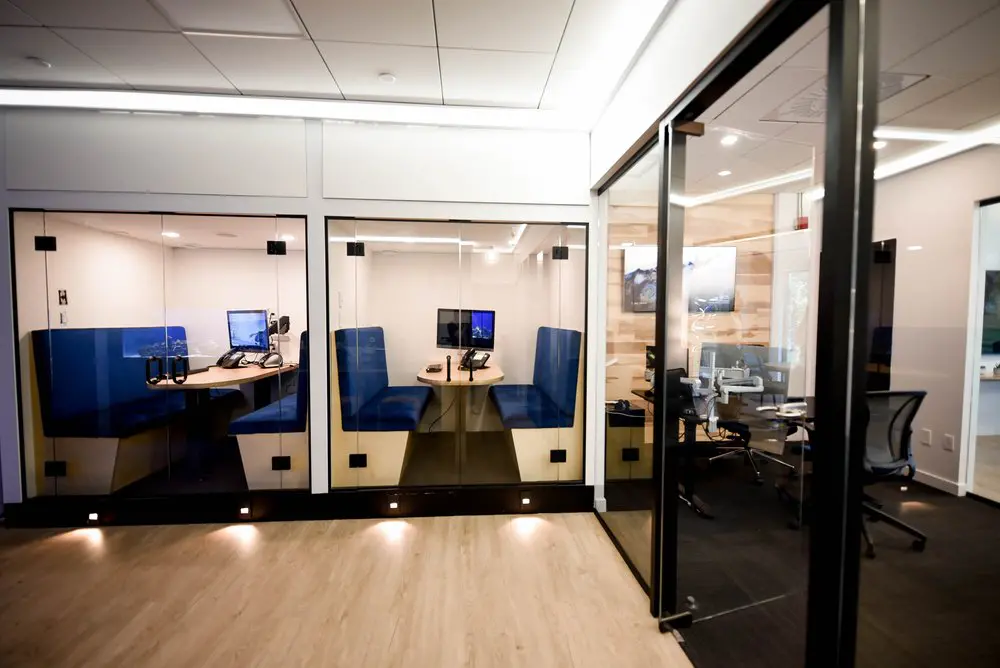
Sound-isolating phone booths for calls and video conferences
Zone-based layouts that separate quiet focus areas from collaborative spaces
Soft furnishings (rugs, upholstered seating) that dampen sound transmission
Sound masking systems that produce ambient background noise to reduce the intelligibility of distant conversations
Networking and Community in the Saint-Henri Coworking Ecosystem
The Value of Proximity
One of the most cited benefits of coworking, and one that is difficult to quantify but impossible to ignore, is the networking and community that develops when diverse professionals share a workspace. Studies have found that approximately 84% of coworking members report that their professional network expanded as a result of coworking, and 69% report acquiring new skills from interactions with other members [13].
In Saint-Henri, this effect is amplified by the concentration of creative and entrepreneurial professionals in the neighborhood. The density of coworking spaces, studios, and creative businesses in a relatively compact geographic area creates opportunities for cross-pollination that extend beyond any individual workspace.
Neighborhood Events and Programming
The broader Saint-Henri community offers networking opportunities through:
Montreal Entrepreneur Networking Events: Regular meetups and networking sessions connecting local entrepreneurs with investors, mentors, and peers [61]
Atwater Market Events: Seasonal programming at the market creates informal meeting opportunities and community engagement
Canal-Side Cultural Programming: Summer events along the Lachine Canal provide additional social and professional networking contexts
Notre-Dame Street Business Community: The SDC Les Quartiers du Canal organizes events and promotes collaboration among local businesses [6]
The Multilingual Advantage
Montreal's bilingual character is particularly pronounced in Saint-Henri, which has historically been a francophone neighborhood but now attracts a diverse, multilingual population. For businesses that serve both English and French-speaking clients, or that operate internationally, this linguistic environment is an asset [62]. Working alongside professionals from different linguistic backgrounds creates natural opportunities to practice and maintain bilingual skills, which remain a significant competitive advantage in Quebec business [63].
2727 Coworking space, 2727 Saint-Patrick, Montreal
Technology Infrastructure in Saint-Henri Coworking Spaces
Internet Connectivity
For knowledge workers, internet speed and reliability are not amenities; they are infrastructure requirements as fundamental as electricity. Saint-Henri's coworking spaces generally offer enterprise-grade internet connections, but the specific offerings vary.
Montreal has a competitive ISP market, with several independent providers offering fiber-optic connections that rival or exceed those available from major carriers, often at lower prices. The best coworking spaces leverage this competition to secure enterprise-grade connections at reasonable cost [28].
Digital Security
When working from a shared network, digital security becomes a heightened concern. Professionals should evaluate:
Network segmentation: Is the coworking WiFi isolated from other tenants? Are member devices visible to each other?
VPN compatibility: Does the network support VPN connections without throttling or blocking?
Physical security: Is there access control at the building level? Are individual offices lockable? Is there secure storage for equipment?
Commercial access control systems in coworking spaces have evolved significantly, with modern installations offering keycard, fob, or smartphone-based entry with audit trails and time-based access restrictions [64].
Insurance and Risk Management for Coworking Members
Professional Liability
Freelancers and small business owners working from coworking spaces should maintain appropriate insurance coverage. In Quebec, the specific requirements vary by profession and business type, but common policies include:
Professional liability insurance (errors and omissions) for consultants and service providers
General liability insurance for businesses that interact with clients in person
Equipment insurance for laptops, monitors, and other valuable equipment kept at the coworking space
Cyber liability insurance for businesses handling client data
Under Quebec law (CNESST regulations), workplace safety obligations apply even in coworking environments. While the coworking operator bears primary responsibility for the physical safety of the space, individual businesses have obligations regarding ergonomic assessments, workplace injury reporting, and certain compliance requirements depending on their size and industry [55].
2727 Coworking space, 2727 Saint-Patrick, Montreal
Tax Considerations for Coworking in Quebec
Deductibility of Coworking Expenses
For freelancers and self-employed professionals in Quebec, coworking membership fees are generally deductible as a business expense. This includes:
Monthly membership fees
Day pass purchases
Additional charges for meeting room usage, printing, etc.
Any business-related add-ons (mail handling, business address)
The Canadian federal budget has introduced measures affecting freelancers and small business owners that may impact the overall tax picture for independent professionals [66].
Home Office vs. Coworking Deduction
Professionals who split their time between a home office and a coworking space should consult with a tax professional about the optimal claiming strategy. In some cases, the coworking deduction may be more advantageous than the home office deduction, particularly for those in smaller apartments where the dedicated workspace percentage is low [67].
Quebec-Specific Tax Credits
Quebec offers several tax credits and incentive programs that may be relevant to coworking members, including the CRIC tax credit for innovative businesses and various financial aid programs for SMEs [45][46]. Working from a professional business address (as opposed to a home address) may be advantageous when applying for certain government programs and grants [47].
Frequently Asked Questions
Is Saint-Henri safe for evening workers?
Saint-Henri has undergone significant revitalization, and the streets around major coworking spaces are generally well-lit and busy during evening hours. The neighborhood has an active restaurant and bar scene, which means foot traffic continues well into the evening. As with any urban neighborhood, standard precautions apply, but the area's transformation has made it considerably more pedestrian-friendly than it was a decade ago.
How does the commute from Saint-Henri compare to downtown during winter?
One significant advantage of metro-accessible coworking is that commute times are weather-independent. Whether it is -25C with a snowstorm or a pleasant summer morning, the metro trip from Charlevoix to downtown is the same 8 minutes. For cycling commuters, Montreal's winter cycling infrastructure continues to improve, though the canal bike path's winter maintenance varies by section [68].
Can I use a Saint-Henri coworking address for my business registration?
Yes. Coworking addresses are accepted for Quebec business registration through the Registraire des entreprises. This is a common practice among freelancers and small business owners who wish to avoid using their home address for business purposes, which can create issues with insurance, zoning, and professional credibility [53][43].
What is the difference between hot desks and assigned desks?
A hot desk (also called a shared desk) gives you access to any available workspace on a first-come, first-served basis each time you visit. An assigned desk is a specific workstation reserved exclusively for you, where you can leave your equipment and personal items. Hot desks offer more flexibility and typically cost less, while assigned desks provide stability and the ability to personalize your workspace [52].
Are there coworking options for occasional use in Saint-Henri?
Yes. Most spaces in the area offer day passes or hourly rates for occasional users. This is ideal for professionals who primarily work from home but occasionally need a professional environment for focused work, client meetings, or simply a change of scenery [69][70].
Do Saint-Henri coworking spaces offer meeting rooms?
Most full-service coworking spaces in the area include access to bookable meeting rooms, ranging from small huddle rooms for 2-4 people to larger conference rooms for 8-12+ participants. Some spaces include a certain number of meeting room hours in their membership packages, while others charge separately. This is an important factor to evaluate when comparing membership costs [25].
2727 Coworking space, 2727 Saint-Patrick, Montreal
The Future of Coworking in Saint-Henri
Market Trends
The flexible workspace market in Canada is projected to continue growing through the end of the decade, driven by several structural factors [56]:
Permanent shift to hybrid work: Companies are increasingly embracing flexible work arrangements, creating sustained demand for decentralized office space
Startup formation: Canada's startup ecosystem continues to produce new companies that prefer flexible workspace solutions over traditional leases
Corporate adoption: Larger companies are using coworking spaces for satellite offices, reducing their commitment to long-term downtown leases
Cost sensitivity: Economic uncertainty and rising commercial rents make the flexibility and cost predictability of coworking increasingly attractive [57]
Saint-Henri's Position
Saint-Henri is well-positioned to benefit from these trends. The neighborhood's combination of transit accessibility, industrial-loft workspace stock, creative community, and lifestyle amenities creates a proposition that is difficult to replicate elsewhere in Montreal. As the broader Sud-Ouest borough continues to develop, with ongoing investment in infrastructure and public spaces along the Lachine Canal, the area's appeal as a workspace destination is likely to strengthen further.
The continued densification of Griffintown to the east and the development of new residential projects throughout the Sud-Ouest borough will increase the local population of potential coworking members, while the neighborhood's established cultural and culinary scene provides the lifestyle appeal that attracts and retains creative professionals.
Conclusion
Saint-Henri has evolved from an industrial working-class neighborhood into one of Montreal's most compelling destinations for flexible workspace. Its combination of converted industrial buildings, exceptional transit connectivity via three metro stations on two lines, direct access to the Lachine Canal bike path, a thriving restaurant and cultural scene, and a demographic heavily weighted toward young professionals makes it a natural fit for the coworking model.
For freelancers, startup teams, remote workers, and growing businesses seeking a workspace that offers both professional infrastructure and neighborhood character, Saint-Henri and the broader Sud-Ouest borough deserve serious consideration. The competitive landscape of coworking operators in the area provides options at various price points and with different community orientations, from creative-focused spaces to premium amenity-rich environments.
The question for most professionals is not whether flexible workspace makes sense, but rather which space and neighborhood best align with their working style, budget, and values. Saint-Henri's answer to that question is increasingly compelling.
For professionals interested in exploring coworking options in Saint-Henri, we recommend visiting multiple spaces to compare the environment, community, and amenities firsthand. Most operators, including 2727 Coworking, offer tours and trial days to help you make an informed decision.
2727 Coworking space, 2727 Saint-Patrick, Montreal