Business Insurance for Coworking in Montreal
Learn how Quebec businesses can insure liability, equipment, professional work, cyber risk and interruptions while using coworking space.
Learn how Quebec businesses can insure liability, equipment, professional work, cyber risk and interruptions while using coworking space.
Coworking does not create a special category of business insurance. It changes the facts an insurer needs to understand: several organizations share a location, access and furniture may belong to an operator, equipment may travel between home and office, and visitors may enter space controlled by more than one party. The member agreement allocates contractual duties, but an insurance policy determines what an insurer will pay. Neither document replaces the other.
Start with four exact descriptions: the legal entity buying insurance, the work it performs, every place where that work and its property may be located, and the contract it is about to sign. Then map each material loss to a coverage. Commercial general liability can address bodily injury, property damage and some tenant liability. Property coverage can address equipment, stock and records, but only at locations and in circumstances the wording covers. Professional liability addresses alleged errors in services. Cyber coverage can address selected privacy, security and response costs. Business interruption usually depends on a covered physical loss and a defined indemnity period. Employee injuries and prevention duties belong in the CNESST analysis.
Do not ask only whether the business is insured. Ask about limits, aggregates, sublimits, deductibles, defence, exclusions, endorsements, territory, valuation and reporting deadlines. A certificate is evidence prepared at a point in time. It does not replace the policy, create an endorsement or guarantee that a future claim will be paid. Quebec law also matters. The Civil Code of Québec sets rules for disclosure, changes in risk, loss notice and liability defence costs. Its default for liability insurance places defence and legal costs above policy proceeds, subject to prescribed exceptions, so generic United States explanations about defence automatically consuming the limit do not describe the ordinary Quebec rule [1].
At 2727 Coworking, private office tenants must carry at least $1 million in civil liability insurance. That is a contract requirement, not a conclusion that $1 million is sufficient for every business or that every loss is covered. The requirements for a hot desk, day pass, or naming another party as an additional insured are not verified here. Ask the operator and your licensed insurance representative before relying on an assumption.
All dollar amounts in this guide are Canadian dollars.

The useful insurance question is not simply what insurance a coworking member needs. A software consultant, importer, therapist, photographer and employer can sit in identical offices while presenting very different risks. The useful question is which losses this entity could cause or suffer through its actual activities, and which contract wording responds. The Insurance Bureau of Canada emphasizes that no contract covers every possible loss. It also separates commercial general liability from professional liability and explains that interruption coverage normally follows an insured loss [14].
Prepare a one-page operating description before requesting quotes. Identify the full legal name of the corporation, partnership or sole proprietor. Describe services and products in concrete language. List annual revenue, payroll, subcontractors, client types, countries served, regulated activities, visitor frequency, events, stock, tools, high-value equipment, data held, payment processing, vehicles and prior claims. Describe every working location: home, coworking hot desk, dedicated desk, private office, client premises, storage site and travel. If staff work remotely, include that pattern. If equipment moves, explain how and where it is stored overnight.
Accuracy at placement is not paperwork for its own sake. Under article 2408 of the Civil Code of Québec, the policyholder must disclose known circumstances that materially influence acceptance, premium or risk assessment; the insured also has that duty if the insurer requests it. Circumstances the insurer knows or is presumed to know need not be volunteered, except in answers to its questions. Article 2466 requires the insured to promptly disclose material aggravations of insured risks resulting from the insured's own acts. A business that begins receiving patients, storing merchandise, hiring employees, hosting workshops or shipping products after buying a policy should contact its representative instead of waiting for renewal [1].
Infoassurance likewise advises that a business contract should reflect the company's sector and actual activities. Its coverage guidance returns to the same point: whether a loss is covered depends on the choices, causes, exclusions and extensions in the purchased contract [11] [13]. A coworking address entered in an online form is not enough if the form never captures mobile equipment, visitors, confidential records or work performed elsewhere.
Three documents answer different questions and should be reviewed together.
| Document | What it establishes | What it does not establish |
|---|---|---|
| Coworking agreement | Access, fees, permitted use, member duties, damage allocation, insurance requirements and termination terms | Whether an insurer accepts a claim |
| Insurance policy | Insured names, coverages, locations, limits, deductibles, exclusions, conditions and endorsements | Permission to use the workspace or relief from the member agreement |
| Certificate of insurance | A summary of specified insurance information on the date issued | The complete contract, an automatic additional insured endorsement, or a guarantee of payment |
A broad indemnity clause in a workspace agreement can create an obligation that the policy does not insure. A policy endorsement can cover a party without changing the workspace agreement. A certificate can summarize a policy while omitting decisive exclusions. Read across the documents instead of assuming one fills gaps in another.
Quebec's rules on contracts of adhesion and external clauses may also matter to how a standard workspace agreement is interpreted, but that is a legal question separate from coverage. For a material ambiguity, ask a Quebec lawyer to review the agreement and a licensed damage insurance representative to review the policy. Verify the representative or firm through the Autorité des marchés financiers registers [2] [4]. The AMF also publishes a separate register for insurers authorized to carry on business in Quebec [3].
Insurance names can sound broader than their wording. Build a loss map before selecting limits. This table is an orientation tool, not a coverage promise.
| Hypothetical event | Coverage to examine | Questions that decide the answer |
|---|---|---|
| A visitor trips over the member's cable | Commercial general liability | Who was negligent, who is insured, whether the activity is declared, defence and exclusions |
| A member damages the occupied office | Tenant legal liability within CGL, property or another extension | Cause of loss, leased or occupied premises wording, limits and exclusions |
| A laptop is stolen from a desk | Commercial property, equipment floater or crime coverage | Scheduled location, off-premises cover, theft conditions, valuation and deductible |
| A laptop is damaged in transit | Equipment floater or inland marine style extension | Transit wording, territory, unattended vehicle exclusion and deductible |
| Advice causes a client financial loss | Professional liability or errors and omissions | Insured services, claims-made trigger, retroactive date, exclusions and notice |
| A phishing incident exposes personal information | Cyber insurance plus privacy response services | Security conditions, incident definition, notification costs, extortion and exclusions |
| A fire closes the workspace | Business interruption and extra expense | Covered physical loss, dependent property wording, waiting period and indemnity period |
| An employee is hurt while working there | CNESST regime and employer procedures | Worker status, registration, prevention, first aid and reporting |
| A contractor steals funds or equipment | Crime or fidelity coverage | Who qualifies as an employee, contractor exclusions and proof requirements |
| A business vehicle causes injury | Commercial automobile insurance | Vehicle ownership, use, drivers, hired or non-owned vehicle coverage |
The map exposes a common mistake: buying one liability policy and expecting it to protect the company's own equipment, revenue, professional output, privacy obligations and employees. Commercial general liability is important, but it is one part of the program.
Commercial general liability, commonly called CGL, is built around claims that an insured business caused bodily injury or property damage to someone else. Canadian guidance also identifies personal and advertising injury, product and completed operations, and tenant legal liability as common categories, subject to the policy's conditions and exclusions [10]. It is not a general promise to pay every expense connected to a mishap.
Coworking produces situations where fault could involve several parties. Consider a hypothetical visitor who slips near the door while carrying equipment for a member meeting. The building owner, operator, member, visitor or another contractor could each have relevant facts. The source of the hazard, control of the area, warnings, conduct and contract all matter. Article 1457 of the Civil Code states Quebec's general civil fault rule. Other rules can impose responsibility for people or things under one’s control without proof of personal fault. No single rule makes either the operator or the member automatically responsible for every incident [1].
This is why the current operator policy cannot be described from the outside. The operator may hold property and liability insurance, but its insureds, limits, deductibles, exclusions and endorsements are unknown unless the operator supplies them. Even then, a member should not infer that it is an insured or that the policy covers its conduct. A member's CGL should describe its own activities and visitor exposure. If a claim names several defendants, insurers and counsel determine their positions from the facts and contracts.
Tenant legal liability can sit within a CGL policy and address an insured tenant's legal liability for damage to premises it rents or occupies. It can have a separate limit and narrower triggers than the headline CGL limit. A $2 million CGL declaration does not necessarily mean $2 million is available for damage to occupied premises. Ask for the tenant legal liability limit, covered causes, treatment of fire and water, definition of premises, and whether a coworking licence or membership falls within the wording.
The member agreement may impose broader responsibility for keys, doors, furnishings, cleaning, alterations or damage by visitors. Compare each clause against the insurance. If the agreement says the member assumes liability regardless of fault, ask whether a contractual liability exclusion affects that promise. If the agreement requires insurance for a specific amount, confirm whether that amount applies to CGL generally, tenant legal liability specifically, or both.
Ordinary desk work differs from selling a physical product, offering treatment, filming, cooking, manufacturing, storing batteries or running a public workshop. A business should tell both the operator and insurer before introducing an activity that changes foot traffic, equipment, noise, fire load or professional regulation. Permission from the operator does not prove coverage. Coverage from the insurer does not prove permission.
For a one-off event, describe attendance, hours, alcohol, food, equipment, contractors and any waiver to the representative. The operator may request a particular liability limit or additional insured endorsement. Obtain the exact request in writing. Do not assume the ordinary office certificate satisfies it.
Professional liability, often called errors and omissions insurance, addresses allegations that professional services, advice, designs or omissions caused a client financial loss. CGL instead focuses on bodily injury and property damage. Desjardins explains this basic distinction in its business insurance education [23]. The correct policy depends on the service and profession, not on whether it was delivered from home, a coworking room or a client site.
Define insured services carefully. Consulting may be too vague if the company also writes software, manages advertising, handles money, recruits staff or provides regulated advice. Review exclusions for contractual guarantees, intellectual property, cyber events, bodily injury, prior knowledge, related entities and work by subcontractors. Confirm whether independent contractors are insured and whether the policy responds to claims made in the client's jurisdiction.
Many professional liability policies operate on a claims-made basis. The policy in force when the claim is made may matter, along with the retroactive date and reporting terms. Chubb illustrates a specific continuity issue: switching from claims-made to occurrence-based coverage can leave later claims arising from earlier events unprotected [41]. That example is not a universal rule, so read the actual policy. Before cancelling, changing insurers or dissolving the business, ask about retroactive dates, prior acts, extended reporting periods and run-off coverage. Keep copies of expired policies and applications.
A certificate requested by a coworking operator usually concentrates on CGL. It does not establish that the member has suitable professional liability. A client contract may impose a separate errors and omissions limit. Track workspace and client requirements independently.
Property coverage should begin with an inventory. Record each laptop, monitor, camera, phone, server, tool, sample, artwork and item of stock. Capture owner, serial number, purchase date, replacement cost, usual location and whether it travels. Store receipts and photographs away from the insured equipment. The AMF's home-insurance claim checklist recommends listing damaged or stolen items; Infoassurance's business-claim guidance similarly emphasizes documentation and mitigation [5] [12].
Do not say that business property coverage follows equipment wherever it is located. Some contracts cover only scheduled premises. Some offer off-premises or transit extensions. Some cap property temporarily away from the premises. Some exclude mysterious disappearance, unattended vehicles, water, theft without forcible entry, employee dishonesty or property owned by others. The Insurance Bureau of Canada identifies coverage for tools and equipment in transit or used away from insured premises as something that can be insured, which is a reason to check for it rather than presume it exists [15].
A hot desk usually means the equipment arrives and leaves with the user. Transit, home storage, client sites and theft away from scheduled premises become central. For illustration, a team carrying $40,000 of equipment should test coverage against that inventory rather than its revenue. A hypothetical $2,500 deductible may leave little payable for one laptop. These are examples, not quoted premiums or standard policy terms. A dedicated desk may allow equipment to remain, but an open or shared area can affect security conditions and evidence. A private office adds a lockable boundary, yet other people may retain building access and no lock prevents fire, water or a determined theft.
| Question | Why it matters |
|---|---|
| Is the coworking address shown as an insured location? | The declarations may limit property coverage by premises |
| Is equipment covered while commuting or at home? | Off-premises and transit extensions vary |
| Does theft require visible forced entry? | Some wordings impose evidence conditions |
| Is property in an unattended vehicle excluded or sublimited? | Mobile workers frequently leave equipment in transit |
| Is replacement cost or depreciated value used? | The same loss can produce a different settlement |
| Are leased devices and client property included? | Ownership definitions and property of others matter |
| Are data restoration and software included? | Hardware coverage may not pay digital reconstruction |
| Is there a per-item or category sublimit? | Cameras, fine arts, stock and portable electronics can be capped |
A home insurance policy should not be assumed to fill the gap. Infoassurance cautions that home coverage for property used professionally is very limited [21]. Individual insurer pages can illustrate possible products, but their features are not universal. Desjardins describes mobility under its own business product, while Intact defines covered business property by the declared activity in its own home-business offering [24] [39]. Use those pages as questions for a representative, not as evidence that another policy responds.
Employer-owned equipment needs a written answer too. TD's work-from-home guidance says employer laptops are generally insured through the employer, while advising users to verify that policy. This does not establish coverage in coworking or transit [38]. An employee should not buy duplicate coverage without confirming ownership, deductibles and claim procedure. An employer should identify who reports a theft, who pays a deductible, and whether personal use or storage in a vehicle changes coverage.
A coworking environment can increase exposure to shoulder surfing, overheard calls, lost devices, shared printers, public or shared networks and visitors. Cyber insurance may fund selected forensic, legal, notification, restoration, interruption, extortion and liability expenses. It does not make an insecure workflow acceptable, and the actual insuring agreements, conditions and exclusions decide the response.
The Canadian Centre for Cyber Security recommends considering a virtual private network when users must connect through public Wi-Fi. Its small-organization guidance also covers patching, authentication, backups, access control and incident planning [25] [27]. For remote work, it notes that sensitive information faces increased compromise risk, which supports layered controls rather than reliance on a room or network label [26].
Ask the cyber insurer or representative about multi-factor authentication, encrypted backups, endpoint protection, patch timing, privileged accounts, payment verification, vendors and incident response. Some applications turn answers into conditions or affect coverage. Notify the representative when systems or practices materially change. Keep the submitted application because it is part of the underwriting record.
Quebec privacy duties exist independently of insurance. The Commission d'accès à l'information explains that an organization must assess confidentiality incidents, take steps to reduce harm, keep an incident register, and notify the Commission and affected people when an incident presents a risk of serious injury [28]. A cyber policy can provide resources, but the organization remains responsible for its legal and operational response.
The serious-injury decision follows an analysis, not a label chosen for convenience. The organization evaluates factors that include the sensitivity of the information, anticipated consequences and probability that it will be used for harmful purposes. Preserve the facts supporting that analysis and revisit it when the investigation changes what is known. Contact the insurer or response provider promptly without waiting for the assessment to be final.
A practical coworking workflow can include privacy screens, headphones, locked screens, encrypted storage, secure disposal, immediate collection from shared printers, clean desks, call scheduling, approved meeting spaces and a rule against leaving records overnight. Test whether conversations carry beyond a door. Check what appears behind a person on video. Confirm that departed staff lose workspace and system access. Link these controls to the company's privacy, remote-work and incident plans.
For a fuller operational checklist, see the privacy and video call workspace guide. Treat its topic checklist as a starting point and verify the actual room, technology and professional rules yourself. Equipment planning is covered separately in the multiple monitors and coworking equipment guide.
Hiring a worker changes the analysis. CNESST states that employers must register when they hire personnel [29]. Employers must also take necessary measures to protect worker health and safety [30]. These duties are not replaced by CGL, a coworking operator's policy or a waiver in a membership agreement.
Write a remote and coworking policy that identifies approved locations, hours, equipment, ergonomics, information security, visitor rules, emergency contacts and incident reporting. CNESST says every telework context presents risks an employer must consider, and its policy guidance notes that the same accident reporting rules apply regardless of work location [31] [32].
If an accident occurs, provide assistance, document facts and follow the required reporting path. CNESST directs employers to enter workplace accidents in the register of accidents, incidents and first aid, along with any additional reporting required by the circumstances [33]. Do not delay because the event occurred in a coworking space rather than the company's own building.
Insurance should reflect payroll, worker count, employee travel, employer-owned property and remote locations. Confirm whether volunteers, interns and contractors are treated as expected. Contract labels do not always settle worker status. Ask a qualified adviser when classification is uncertain. The hybrid employee coworking guide can help structure approval, reimbursement and attendance questions. Add the employer's insurance, prevention and privacy requirements before approving a recurring workspace.
Selecting a limit by copying a landlord requirement is weak risk analysis. A contract minimum establishes a floor for that agreement. It does not measure the business's maximum plausible claim. Test limits against realistic events: a serious visitor injury, fire damage to occupied premises, a professional claim from a major client, theft of a full equipment kit, privacy response for the records held, and months of interrupted operations.
| Term | Practical meaning | Review question |
|---|---|---|
| Per occurrence limit | Maximum for one covered occurrence, subject to wording | What events are grouped as one occurrence? |
| Aggregate | Maximum payable across defined claims during the policy period | Is there one aggregate for all operations or a separate products aggregate? |
| Sublimit | Smaller cap within a larger coverage | Which losses have smaller caps? |
| Deductible | Amount the insured pays before or alongside insurer payment | Is it per loss, claimant, occurrence or coverage? |
| Waiting period | Time before some interruption or cyber coverage begins | Can the business fund that period? |
| Indemnity period | Period for which covered interruption losses are measured, subject to policy maximums | Does coverage stop at repair or continue through revenue recovery? |
| Retroactive date | Earliest act potentially eligible under claims-made wording | Does it preserve prior work? |
| Extended reporting period | Time to report certain claims after policy end | What happens when the company closes or changes insurer? |
Premium cannot be responsibly reduced to a generic Montreal average. The Insurance Bureau of Canada explains that commercial insurers consider many factors. Infoassurance lists activity, assets, location, claims, selected coverage and deductible among pricing inputs [20] [22]. Two businesses in the same office can receive different terms because their work, revenue, limits, security and claims differ.
Compare quotes on a normalized table. Use the same entity, operations, revenue, locations, property values, limits and deductibles. Record exclusions, endorsements, valuation, territory, cancellation terms and service. A lower premium attached to a narrower definition of insured services or no mobile property coverage is not an equivalent quote.
Quebec taxes insurance premiums differently from ordinary taxable purchases. Revenu Québec states that the insurance premium tax rate is 9 percent as of October 3, 2026, and will become 9.975 percent for premiums paid after December 31, 2026 [36]. Do not add the usual combined 14.975 percent GST and QST sales-tax rate to an insurance quote. Ask how the invoice treats tax and fees.
Imported insurance summaries often state that legal defence automatically erodes the liability limit. That is not the ordinary Quebec default. Article 2503 of the Civil Code requires the insurer to assume the defence of a person entitled to the insurance benefit in an action against that person and provides that defence and legal costs are over and above insurance proceeds. Article 2500 also protects proceeds for injured third persons. These rules affect how a standard liability limit functions in Quebec [1].
Quebec has a regulation permitting departures for specified classes of insureds and contracts, with detailed eligibility and minimum coverage conditions. One route requires total liability coverage of at least $5 million, but the regulation must be read as a whole. It is not a general statement that every $5 million policy can put defence inside the limit [19]. Contracts using these exceptions cannot exceed one year, and eligibility must be checked again at renewal. An ordinary small business tenant should ask how its policy treats defence, but should not assume a United States rule applies.
This default does not make limit selection unimportant. Damages can still exceed the liability limit, exclusions can remove coverage, and a reservation of rights or dispute can affect the defence. Ask the representative to explain the relevant clauses in writing and obtain legal advice for a material claim or contractual obligation.
A coworking operator may ask for a certificate of insurance before move-in or renewal. The certificate typically identifies the insured, insurer, policy period, selected coverage and limits. Review it for correct legal names, address, dates and requested limits. Send it through the agreed channel and calendar the expiry date.
Receiving or being listed on a certificate does not, by itself, make the operator an additional insured. Confirm status and scope in the policy and endorsement. The Insurance Bureau of Canada defines an additional insured as a person other than the named insured who is protected by policy terms [18]. IBC also explains that an endorsement can increase, limit or restrict coverage [16].
When a contract asks for additional insured status, obtain the exact legal name and required scope. Ask which endorsement will be issued, for which operations and period it applies, whether it extends only to liability arising from the named insured's operations, whether completed operations matter, and whether it changes limits or exclusions. Ask what cancellation notice the insurer will provide, if any. Do not promise an operator that it is protected until the representative confirms the endorsement. Do not infer that an additional insured receives coverage for its own unrelated negligence. The wording controls.
The reverse check also matters. A broad additional insured request from a client or operator can affect the member's aggregate and insurer acceptance. Send the clause to the representative before signing. If the insurer cannot comply, resolve the contract rather than delivering a certificate that appears similar but does not meet it.
Business interruption insurance is often misunderstood as payment whenever a company cannot work. Standard coverage commonly requires loss caused by an insured peril affecting insured property or a qualifying dependent location. Infoassurance distinguishes named-peril policies, covering specified risks, from all-risks policies, subject to their exclusions. It also distinguishes limited indemnity, which can stop at repair or resumption, from extended indemnity that can continue until normal business levels return, subject to policy limits [37]. BDC's overview describes interruption coverage as addressing lost revenue, alongside property, CGL, professional liability and goods-in-transit coverages [40].
Ask whether coverage follows damage at the coworking premises when the member does not own the building. Review dependent property, civil authority, utility interruption, ingress or egress, cyber interruption and extra expense. Each can have different triggers, waiting periods and sublimits. A closure for an excluded cause may produce no interruption payment even though revenue falls.
Insurance should sit inside a continuity plan. The Government of Quebec recommends identifying critical activities, determining how long the company can function without them, planning alternate work, protecting IT and testing the plan [34]. Its planning templates include adequate insurance as one measure among preparation, recovery and maintenance activities [35].
For a coworking member, the plan can identify a second workspace, remote access, backup connectivity, replacement equipment suppliers, encrypted cloud backups, call forwarding, client communications and authority to spend on emergency relocation. Test the plan without waiting for a real closure.
Insurance works best as a recurring operating process. Before signing, read the complete workspace agreement and incorporated rules. Extract permitted activities, visitor rules, access, property responsibility, insurance limits, additional insured language, indemnities, incident notice, waiver of subrogation language, termination and obligations that survive departure. Send material insurance clauses to the representative. Confirm that the entity on the agreement matches the policy.
Inventory equipment and assign replacement values. Identify property owned by employees, clients or lessors. Describe mobile use and every location. Decide whether the company will leave anything overnight. Assess professional, cyber, crime, auto, interruption and employee exposures. Compare quotes on matched terms and verify the firm and insurer through official registers.
Use the furnished office move-in checklist for the broader operational inspection. Add insurance-specific checks for water paths, electrical load, door control, cameras, evacuation, delivery handling and incident contacts.
Photograph the room and existing damage. Test locks and document who can issue or revoke access. Record emergency exits, extinguishers, first aid arrangements and the operator's incident channel. Train staff on visitors, confidential work, equipment storage and loss reporting. Deliver the correct certificate and any required endorsement. Store the agreement, policy, endorsements, inventory and contact list in an accessible secure location.
Tell the representative about material changes. Examples include hiring, higher revenue, new services, a regulated activity, more expensive equipment, stock, frequent events, international work or a second location. Update the equipment inventory after purchases and disposals. Review access when people join or leave. Test backups and continuity steps. Report incidents promptly even when the final amount is unclear.
Do not renew from last year's application without checking it. Compare declared activities, revenue, payroll, locations, property values, claims, clients and security controls against current operations. Review policy changes and endorsements. An endorsement can restrict as well as expand coverage [16]. Confirm that retroactive dates remain intact for claims-made coverage and that the certificate reaches the operator before expiry.
Tell the insurer the effective move date, old and new locations, transit period, temporary storage and any overlap. Confirm coverage while property is moving. Remove access, collect keys or credentials, photograph the vacated office and retain the agreement. Do not cancel claims-made coverage without deciding how earlier services will be protected. Keep old policies, certificates, endorsements and applications with corporate records.
Safety comes first. Contact emergency services when required, provide first aid, prevent further harm when safe, and preserve evidence. Notify the operator through its documented channel. Notify the insurance representative promptly. Article 2470 of the Civil Code requires the insured to notify the insurer of a loss that may fall under coverage as soon as the insured becomes aware of it. If late notice prejudices the insurer, it may invoke a policy clause providing forfeiture of the right to indemnity for that failure [1].
Record the date, time, location, people involved, witnesses, conditions, access logs, photographs, video, damaged items, receipts and actions taken. Preserve damaged property unless safety requires disposal. Avoid admissions about fault and do not promise payment. Cooperate with the adjuster while keeping copies of submissions. IBC's business claim guidance recommends contacting the representative and providing complete, accurate details promptly [17].
For a privacy incident, activate the privacy response process as well as insurance notice. For an employee injury, follow CNESST procedures. For suspected crime, preserve logs and contact police when appropriate. One event can trigger several processes.
If coverage is denied or the settlement is disputed, request the decision and policy basis in writing. Use the insurer or firm's complaint process first. The AMF describes fair complaint handling, a written response and possible transfer of the file, while cautioning that the complaint process does not interrupt the time limit for bringing court proceedings [6]. A complaint about a certified damage insurance professional can also fall within the Chambre de l'assurance de dommages process, which is distinct from recovering money from an insurer [7] [9]. ChAD also provides a tool to verify a professional's certificate and disciplinary information [8]. Seek legal advice before a limitation period or material right is at risk.
Private office tenants at 2727 Coworking must carry at least $1 million in civil liability insurance. Ask for the current agreement and certificate instructions before signing. The known rule does not establish whether 2727 must be an additional insured, and it does not establish an insurance requirement for a hot desk or day pass. Ask the operator about those points and have your licensed representative confirm compliance.
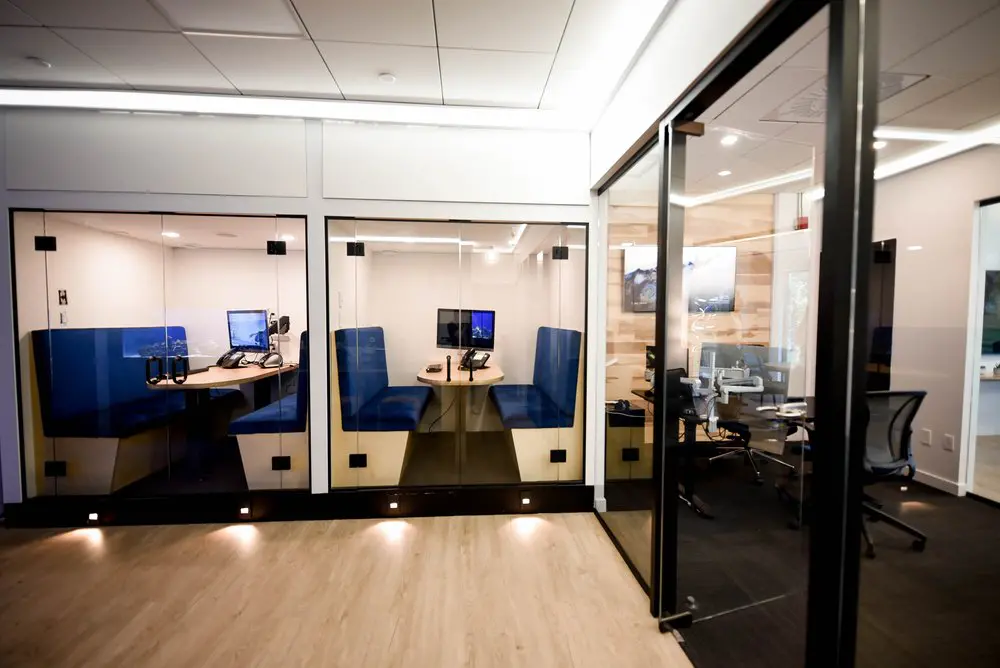
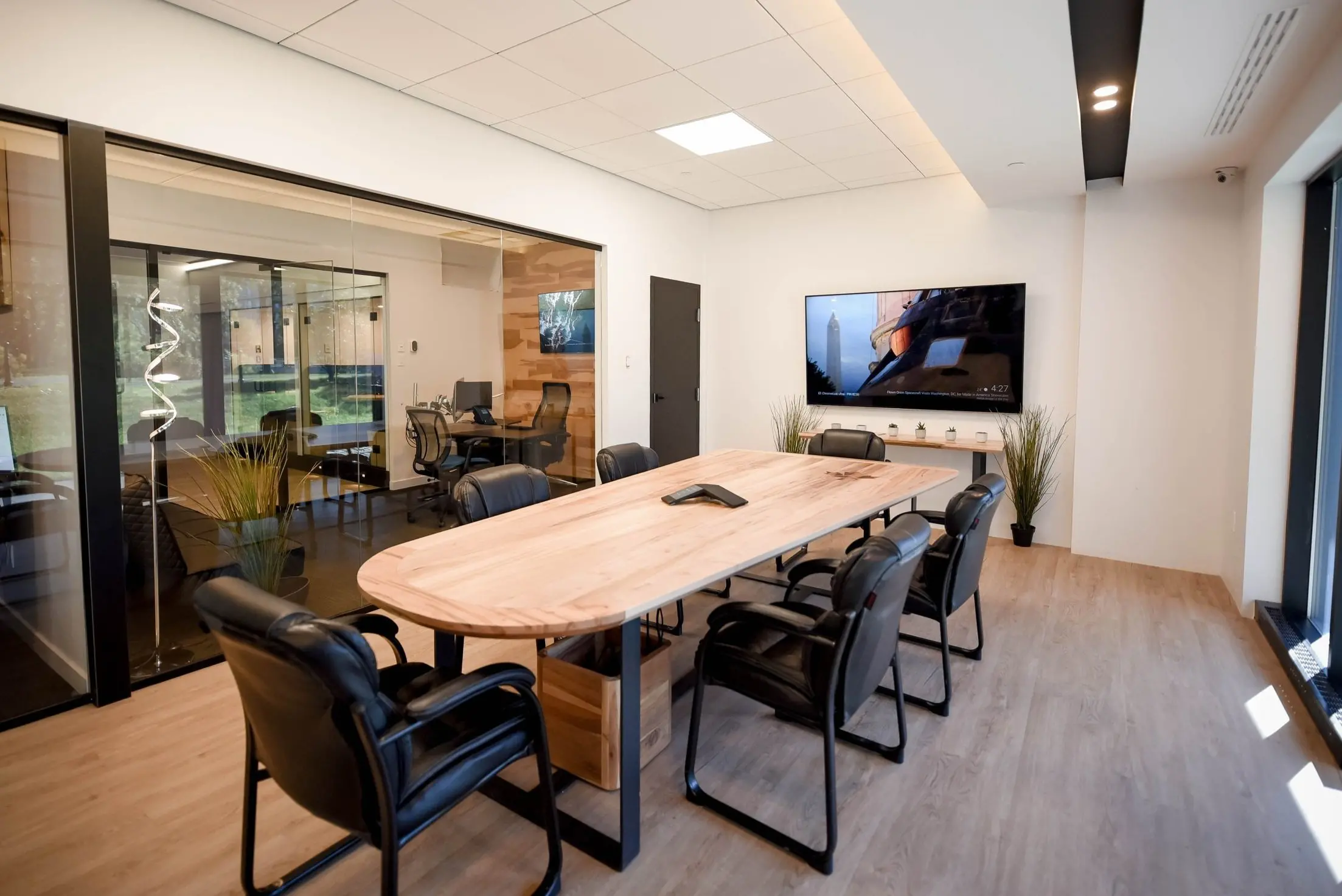
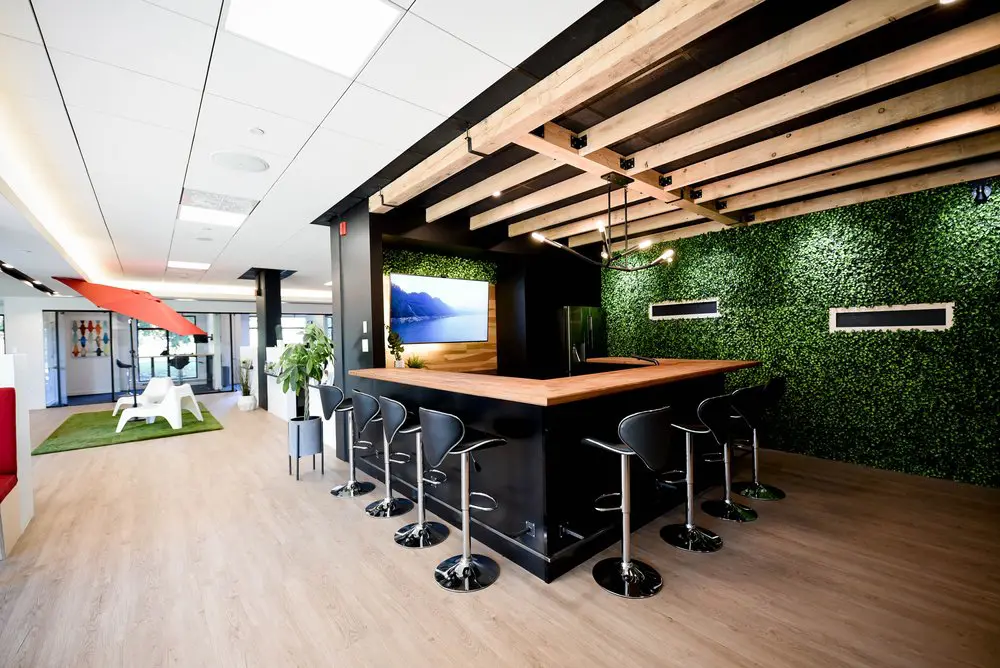
Private offices have lockable doors. Members enter through Kisi by phone app or fob. There is no reception, so members greet their own visitors. Visitors are permitted for meetings in the member's office or conference room, not in the coworking area. Private office and dedicated desk members have 24-hour access, seven days a week. There is no locker or storage service. These operational facts should inform equipment, visitor and access planning, but they do not prove what any insurance policy covers.
Month-to-month offices and hot desks have no commitment and can be cancelled anytime; dedicated desks have a 3-month minimum. Before move-in, use the booking page for the current product and ask for the full agreement. Give the insurance clause to your representative rather than relying on this guide as a certificate instruction.
The agreement decides what the operator requires. Independently, your activities can create liability, property, professional, cyber, interruption and employee risks. Read the agreement, map those risks and have a licensed representative confirm the program. For 2727's verified private-office requirement, see the section above.
Do not assume it does. The operator's current policy, insured parties and exclusions are unknown unless disclosed. Your membership also does not automatically make you an insured. Arrange coverage for your entity and ask the operator what, if anything, its policy provides to members.
Responsibility depends on the facts, control, conduct, contracts and Quebec civil law. Fault can involve more than one party. Notify the operator and insurer promptly and avoid deciding liability yourself.
Only if the agreement requires it or the parties choose it. Obtain the exact legal name and requested scope. Receiving or being listed on a certificate does not, by itself, make the operator an additional insured. Confirm status and scope in the policy and endorsement. At 2727, this point is not verified, so ask the operator.
No. It summarizes specified information at a point in time. The policy, exclusions, conditions and endorsements govern. Check that the certificate is accurate, but retain the complete policy and endorsements.
A contract minimum is not a risk assessment. Test possible visitor injury, premises damage, products, client requirements and operations against per-occurrence and aggregate limits. A licensed representative can help select limits. 2727's verified private-office minimum is $1 million, but that does not make it sufficient for every tenant.
It may include tenant legal liability, often with a distinct limit and conditions. Ask whether your coworking arrangement qualifies as rented or occupied premises, which causes are covered, and how the limit compares with the agreement.
No, liability coverage is aimed at claims by third parties. Examine commercial property or an equipment floater. Confirm location, transit, off-premises use, theft conditions, valuation and deductible.
That is both an operator rule and an insurance question. Confirm permission, physical controls and property wording. A lockable door reduces casual access but does not guarantee coverage. If storage is unavailable, plan to remove property.
No. Coverage can depend on cause, evidence, exclusions, location and protective safeguards. Ask whether theft requires forced entry and whether portable electronics have a sublimit. Keep an inventory and serial numbers.
Only if the policy or extension covers transit and off-premises use under those facts. Ask about territory, unattended vehicles, temporary storage and deductibles. Do not infer mobility from a generic business property label.
Personal policies often provide little business-property coverage and may restrict business liability. Provide the exact use and value to the home and business insurers. Avoid assuming that either contract fills the other's exclusions.
The employer should confirm its property and cyber coverage, remote-work rules, deductible and claim process. The employee should report loss promptly and preserve evidence. Ownership does not answer every coverage question, particularly for personal use or unattended vehicles.
If clients rely on your advice, designs, code or services, examine professional liability. CGL and professional liability respond to different kinds of alleged harm. Confirm the insured services and claims-made terms.
Preserve the retroactive date and understand prior-acts and reporting provisions. A gap or changed retroactive date can expose earlier work. Ask about an extended reporting period before cancellation or closure.
Cyber insurance can address selected incident costs, but confidentiality begins with controls. Use an approved room, headphones, screen protection, secure networks, encryption and clean-desk practices. Confirm professional and privacy duties. Workspace features alone do not certify confidentiality.
No automatic rule makes that conclusion. Investigate the event, contracts, controls and fault. Your organization remains responsible for its devices, accounts, data and privacy response. Consider a VPN and layered security on shared networks.
Register and comply with CNESST requirements, assess workplace risks, write a remote-work policy, and update payroll, property and liability information with the insurer. Define approved locations, equipment, incident reporting and access removal.
Employee injuries require a CNESST and employer-duty analysis. Do not rely on CGL as the employee injury solution. Provide first aid, record the event and follow applicable reporting steps.
Access permission and coverage are separate. Tell the representative if after-hours work changes occupancy, supervision, travel, lone-worker or security exposure. Apply employer prevention measures.
They can increase third-party liability, privacy and professional exposure. Describe frequency, headcount and activities to the operator and representative. Follow visitor access rules and keep meetings in permitted areas. If clients bring equipment, samples or confidential files, decide who is responsible for them and where they will be kept. A routine conversation differs from a treatment, product demonstration or workshop, so tell the representative what actually happens.
It does not decide coverage, but it changes procedures. Members may need to greet visitors, control entry and report incidents themselves. Document arrival, emergency and access practices. A company that expects unattended deliveries, vulnerable visitors or frequent public traffic should check whether a self-service location fits its operation before addressing insurance.
No. A booth is a workspace feature. Test audibility, visibility and access, then apply professional and privacy controls. Insurance depends on the policy and event, not the room label. If a regulated professional plans to discuss protected information, the employer or practice should approve the setting and document its controls. A booth advertised for calls is not a legal or technical certification.
Connection type and speed do not replace identity, device, encryption, backup and incident controls. Wired access can change network exposure, but ask who manages the network and apply the organization's approved security configuration. Insurers can ask about security practices rather than bandwidth. Keep personal devices and business systems separated where the company's policy requires it.
Room access and insurance are separate. Your CGL and professional coverage should reflect visitor meetings and services. Ask whether unusual activities need operator approval or a special endorsement. Do not infer coverage from an included amenity. If the room is used for a paid class, product display or event, describe the real use rather than calling every gathering a meeting.
Operator-owned equipment is not automatically your insured property. Your business could still face liability if it damages property belonging to someone else. Review the agreement, CGL property-damage exclusions and any property-of-others coverage. Record pre-existing damage before using expensive equipment and report a problem promptly instead of attempting an undocumented repair.
Duration does not remove exposure. A visitor injury, equipment theft or professional allegation can occur on the first day. Match the effective dates to possession and operations, and avoid cancelling claims-made coverage merely because the workspace term ends. If coverage is purchased specifically for a contract, ask about minimum retained premium and cancellation terms before assuming the cost will be prorated.
No. Workspace fees and deposits come from the agreement. Insurance premium, tax and insurer or representative charges come from insurance documents. Compare them separately and ask how refunds or minimum retained premiums work after cancellation. A refundable key deposit does not pay an insurance deductible, and a security deposit does not replace tenant legal liability coverage.
Notify the representative before the move. A private office can change insured location, property left overnight, visitor use, tenant liability and contract requirements. Obtain any revised certificate or endorsement effective on the move date. Revisit property values if the move leads to monitors, furniture, stock or records being kept on site.
Tell the insurer where the business and property are moving. Confirm transit and new-location coverage, remove access and retain records. Do not cancel professional or cyber coverage without reviewing claims-made continuity and earlier work. Report known circumstances that could become claims according to the policy, rather than waiting until after it expires.
An address service does not tell the insurer where operations or property are located. Disclose the registration or mailing address and the actual work, storage and equipment locations. Ask the operator what the address plan permits. If no work occurs at the mailing address, say so; if clients visit or property is stored there, say that too.
Usually not. Coverage generally depends on an insured trigger, covered location or dependency, waiting period and indemnity period. Review damage at the operator's property, utilities, civil authority, cyber interruption and extra expense separately. Build an alternate-work plan even when coverage appears broad because cash, staffing and client communication must be managed before a claim is adjusted.
Protect people, limit further damage when safe, notify the operator and insurance representative promptly, photograph conditions, list damaged property, preserve receipts and witnesses, and avoid admissions of fault. Follow privacy and CNESST processes when applicable. Ask before discarding damaged property, unless keeping it would be unsafe.
At least at renewal and whenever activities, revenue, payroll, services, equipment, locations, visitors, contracts or security change. Review certificates before expiry and claims-made continuity before changing insurer. A quarterly internal check can be useful for a growing company because it catches changes while the people who made them still remember the details.
Use a worksheet to turn abstract insurance names into decisions. Complete one row for each material exposure, then attach the supporting agreement clause, policy page or representative response. An unanswered cell is a question to resolve, not proof of a gap or coverage.
| Exposure | Facts to record | Contract question | Policy question | Control and evidence |
|---|---|---|---|---|
| Visitors | Frequency, number, purpose, permitted areas | Who admits and supervises them? | Are activities and visitor claims within declared operations? | Sign-in, meeting location, incident procedure |
| Occupied premises | Office, desk, common areas, furniture | Who pays for which damage? | Tenant legal liability limit and causes | Move-in photos, maintenance reports |
| Portable equipment | Owner, value, serial number, route, overnight location | May it remain on site? | Premises, transit, off-premises and theft wording | Inventory, receipts, encryption, secure transport |
| Professional work | Services, clients, contracts, jurisdictions | Does the use comply with workspace rules? | Insured services, retroactive date, exclusions | Scope letters, quality checks, record retention |
| Personal information | Data type, volume, systems and vendors | Are private rooms and disposal available? | Cyber triggers, services, sublimits and conditions | MFA, encryption, backups, response plan |
| Employees | Roles, schedules, approved locations and equipment | Are staff access and visitors permitted? | Payroll, property, remote work and auto exposures | CNESST process, training, access records |
| Interruption | Critical activities, tolerance, dependencies | What happens if the site is unavailable? | Covered trigger, waiting and indemnity periods | Alternate site, backups, contact tree |
| Contract evidence | Required limits, certificate, endorsements | What must be delivered and when? | Can the insurer issue the requested wording? | Calendar, saved certificate and endorsement |
Assume, only for illustration, that water enters a private office overnight and damages two business laptops, an operator-owned desk and records. The member should first protect people and prevent further damage when safe. It should notify the operator and its insurance representative, photograph the source and affected property, preserve the equipment, list serial numbers and retain emergency expenses. It should not decide that the operator is at fault merely because the water came from the building.
The coverage review separates property. The laptops raise the member's commercial property wording, location, water coverage, valuation and deductible. The desk raises responsibility for property belonging to another party and any tenant liability wording. Record restoration may have its own sublimit. Lost income raises interruption coverage, but only if its trigger and location requirements are met. If personal information may have been accessed or destroyed, the privacy and cyber process starts as well.
The contract review asks who must report building problems, whether emergency access is permitted, how damage is allocated and what evidence the operator requires. The legal and factual investigation determines fault later. This sequence avoids two opposite errors: assuming the operator pays everything, or assuming the member's one policy pays everything.
Assume a consultant receives an email claiming that a recommendation delivered six months earlier caused a financial loss. The consultant should preserve the email, contract, scope, drafts and communications, then notify the professional liability representative according to the policy. It should not rewrite records, concede negligence or offer a settlement without insurer guidance.
The coworking location may be almost irrelevant to the professional allegation, even if the meeting happened there. The decisive questions are the insured entity and services, policy period, retroactive date, claim definition, known-circumstance terms, exclusions and reporting compliance. If the email also alleges that confidential information was overheard or disclosed, cyber or privacy issues may run alongside the professional claim. One client message can therefore require notice under more than one coverage.
Assume an employee stops between home and the coworking space and later discovers that an employer-owned laptop is missing. The company should disable credentials, begin its security response, establish the last known location, record whether the device was in a vehicle, notify police when appropriate, and notify the property and cyber contacts. If personal information was stored locally, it should assess the confidentiality incident under Quebec requirements.
Property coverage turns on more than ownership. The answer can depend on transit and off-premises wording, unattended vehicle exclusions, evidence of theft, encryption conditions, territory, sublimits and deductible. Cyber response depends on data, access and policy triggers. The coworking operator may have no role if the loss occurred elsewhere. This example shows why listing the coworking address without describing mobile work is incomplete underwriting information.
Assume a client falls in a member's private office after catching a foot on a charging cable. Provide help, call emergency services if required, photograph conditions, preserve the cable, identify witnesses, notify the operator and insurance representative, and create an internal incident record. Do not tell the client that either policy will certainly pay.
The investigation considers who placed the cable, lighting, warnings, the visitor's actions, room control and any other contributing condition. The member's CGL may respond to a covered allegation, while the operator may receive its own notice. Quebec civil liability analysis can allocate fault from evidence. The fact that the operator owns or manages the premises does not automatically eliminate the member's conduct, and the member's invitation does not automatically eliminate building conditions.
Assume a covered building event prevents entry for several weeks. The company should activate its continuity plan, relocate critical work, protect payroll and client commitments, track extra expenses, and notify its representative. It should request factual information from the operator about the event and expected access without waiting for final repair dates before acting.
The insurance review asks whether the member's interruption coverage recognizes damage at this location, whether direct damage to the member's own insured property is required, and whether dependent property, civil authority, utilities or extra expense applies. Waiting periods and indemnity periods matter. The operational response remains necessary even if the policy ultimately responds because insurance does not provide an immediate office, configured devices or a tested client communication plan.
Two proposals can use the same coverage label while producing different results. Build a comparison around hypothetical losses relevant to the company. For each proposal, identify the clause that appears to respond, the limit, deductible, exclusions, conditions and unresolved question. Send the completed comparison to the representative and ask for corrections in writing. This is more useful than awarding points for the number of coverage names on a brochure.
Start with a premises event. Use a realistic amount for the member's equipment and a separate amount for damage to occupied premises. Check whether the coworking address appears on the declarations, whether water and theft are covered causes, whether tenant legal liability has a separate limit, and whether property belonging to others is treated differently. Do not combine every amount into one assumed limit.
Next use a mobile equipment event. Place the loss during transit, at home, at a client site and in an unattended vehicle. The purpose is not to predict an exact claim. It is to find location restrictions, territorial limits, theft conditions and sublimits before the equipment moves. Record whether the proposed solution is an extension, scheduled item or separate floater.
Then test a liability event with a visitor and a professional event with a client. For the visitor, examine declared operations, tenant premises, defence and aggregate. For the professional allegation, examine insured services, retroactive date, claim definition, territory and reporting. A proposal that performs well for a physical accident can still omit the company's central advisory risk.
Test a privacy event based on the actual records held. Ask which first-party response costs, third-party claims, business interruption, extortion and social engineering losses are included. Record sublimits and security conditions separately. A high cyber headline limit can coexist with a small social engineering sublimit or a condition the company has not implemented.
Finally, test a closure. Identify the property damage trigger, waiting period, revenue basis, extra expense, dependent property treatment and indemnity period. Compare that answer with the continuity plan. If the company can work remotely within one day, extra expense and equipment replacement may matter differently than months of lost revenue. If it cannot work without a specialized site, a short indemnity period deserves attention.
The completed matrix should include service as well as wording. Record who accepts incident calls outside business hours, how certificates and endorsements are requested, whether risk-control advice is available, and how renewal information is collected. Service does not broaden coverage, but poor reporting or missing documents can make an already stressful loss harder to manage.
Ask the representative to confirm the named insured and every relevant entity. Ask which activities are insured and whether the description includes new services and work for foreign clients. Ask which addresses are scheduled and how property is treated at home, in transit, at a client site and in a coworking space. Ask for all deductibles, aggregates and sublimits, not only the largest number on the quote.
For liability, ask about tenant legal liability, contractual liability, property in the member's care, visitors, products and completed operations. Ask how Quebec defence-cost rules appear in the wording. For professional liability, ask about the claim trigger, retroactive date, prior acts, reporting and run-off. For cyber, ask which controls are conditions and which response vendors must be used. For interruption, ask for a plain example of the required covered cause and location relationship.
Ask what the representative needs to issue the operator's requested certificate and endorsement. Supply the contract language rather than paraphrasing it. Ask which policy changes require notice during the year, how a claim or circumstance should be reported, and where to send it. Keep the written answers with the policy. If an answer depends on facts you have not supplied, update the operating description rather than pressing for a categorical promise.
Coworking compresses several business relationships into one address, but the insurance method remains document-based. Describe the actual entity, work, people, locations and equipment. Read the workspace agreement beside the policy. Map credible losses to separate coverages, then test limits, aggregates, deductibles, territory, exclusions and reporting rules. Keep the operator's unknown insurance out of your assumptions.
The best program is also operational. It connects secure equipment handling, privacy controls, employee prevention, incident reporting and continuity planning to the insurance purchased. Revisit it when the business hires, moves, changes services, stores more property or signs a new client contract. For a material decision, use a Quebec-licensed damage insurance representative, and involve a lawyer or accountant where the agreement, legal duty or tax treatment calls for one.

[1] Quebec Official Publisher, official French text
[2] Autorite des marches financiers
[3] Autorite des marches financiers
[4] Autorite des marches financiers
[5] Autorite des marches financiers
[6] Autorite des marches financiers
[7] Chambre de assurance de dommages
[8] Chambre de assurance de dommages
[9] Chambre de assurance de dommages
[10] Infoassurance
[11] Infoassurance
[12] Infoassurance
[13] Infoassurance
[14] Bureau assurance du Canada
[15] Bureau assurance du Canada
[16] Insurance Bureau of Canada
[17] Insurance Bureau of Canada
[18] Insurance Bureau of Canada
[19] Quebec Official Publisher
[20] Bureau assurance du Canada
[21] Infoassurance
[22] Infoassurance
[23] Desjardins
[24] Desjardins
[25] Centre canadien pour la cybersecurite
[26] Centre canadien pour la cybersecurite
[27] Centre canadien pour la cybersecurite
[28] Commission acces information du Quebec
[29] CNESST
[30] CNESST
[31] CNESST
[32] CNESST
[33] CNESST
[34] Gouvernement du Quebec
[35] Gouvernement du Quebec
[36] Revenu Quebec
[37] Infoassurance
[38] TD Assurance
[39] Intact Assurance
[40] Banque de developpement du Canada
[41] Chubb Canada