Signs Your Business Has Outgrown Your Home Office: A Montreal Guide to Making the Move in 2026
"Outgrown" means something different depending on where you're standing. For a solo consultant, it might mean you're tired of video calls with your kitchen in the background. For a five-person team, it might mean you've run out of chairs. This guide walks through the signs for each stage of that journey (solo and 1-2 person operations, small teams of 2-4, and growing teams of 5-10) and what a realistic next step looks like at each one. If you're based in Montreal and weighing whether it's time to leave the home office behind, 2727 Coworking in Griffintown has worked through this exact question with businesses at every one of these sizes, from a $35/month mailbox to a 10-desk private office. The right answer depends less on how big your business has gotten and more on which specific frictions you're actually feeling. So before recommending a fix, it's worth being precise about which signs apply to you.
Executive Summary
However big your business has gotten, there's a 2727 offering already scaled to match it:
Solo or 1-2 people: if the friction is really about having a professional business address, not needing a desk every day, a Mailbox starts at $35/month, scaling up to a full Virtual Office at $165/month once you need mail scanning, a business phone line, or occasional meeting-room access.
Small team (2-4 people): once you're coordinating hires or losing meetings to noisy cafes, private offices at 2727 start at $900/month for a 2-desk office, scaling to $2,500/month for a 4-desk configuration.
Growing team (5-10 people): at this size the math shifts from "can I afford an office" to "which office layout is most efficient." 2727's 5-10 person configurations run $2,000–$4,000/month, with an 8-desk open room actually undercutting a 5-desk-plus-cabins setup per desk.
The backdrop to all three decisions is a Montreal market that's moving in the same direction. Canada's coworking industry is valued at roughly USD $1.03 billion in 2025 and is projected to reach $1.83 billion by 2030, a 12.12% compound annual growth rate[1]. That growth is fed by a genuine shift in how Canadians work: as of late 2024, 12.5% of employed Canadians worked fully remotely and another 11.5% worked hybrid[2], a population that increasingly starts out working from a spare bedroom before it needs anything more. At the same time, Montreal's own office market has softened (overall vacancy sits at 18.3% as of Q4 2025[3]), which is part of why flexible space has become the more practical alternative to a traditional lease for a business at any of these three stages.
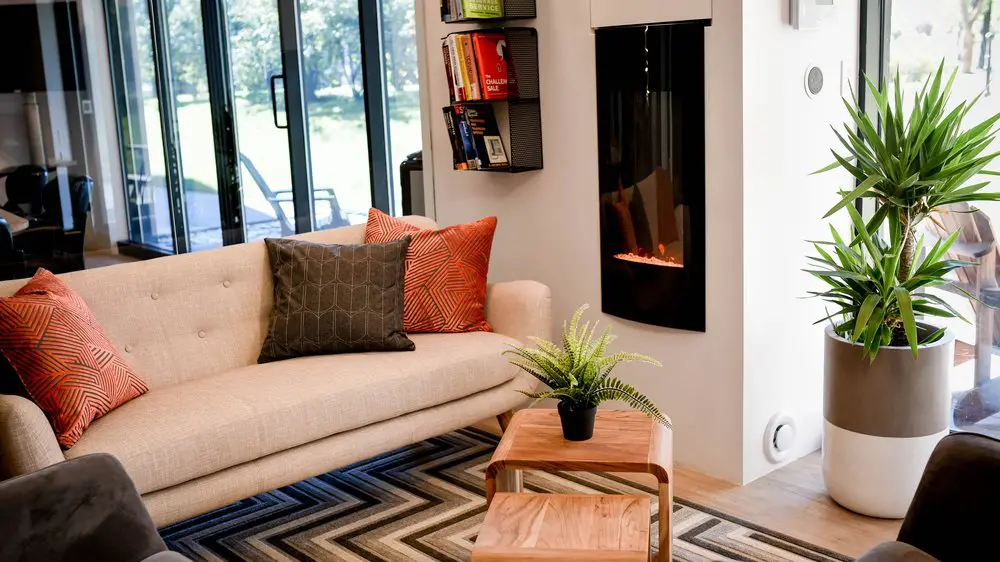
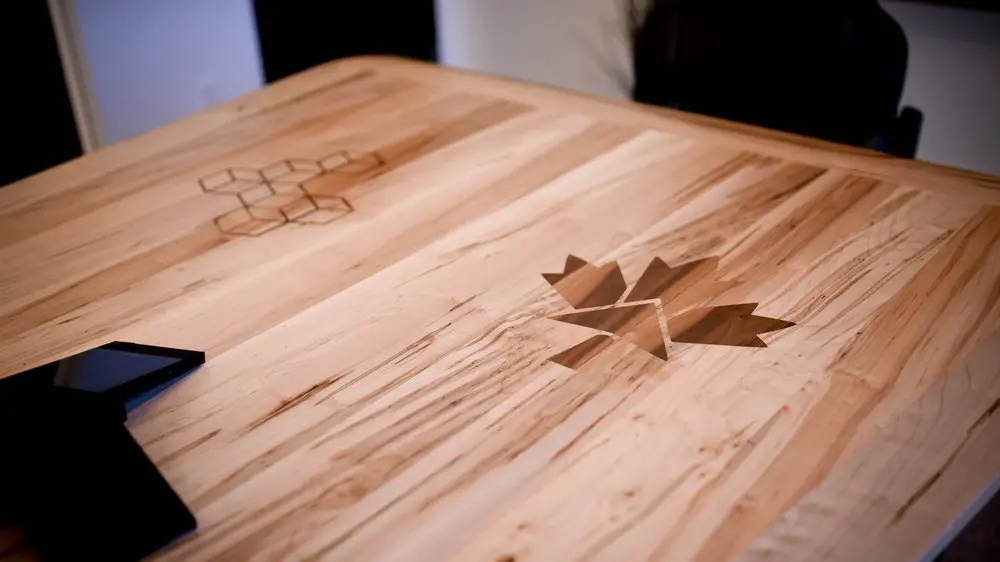
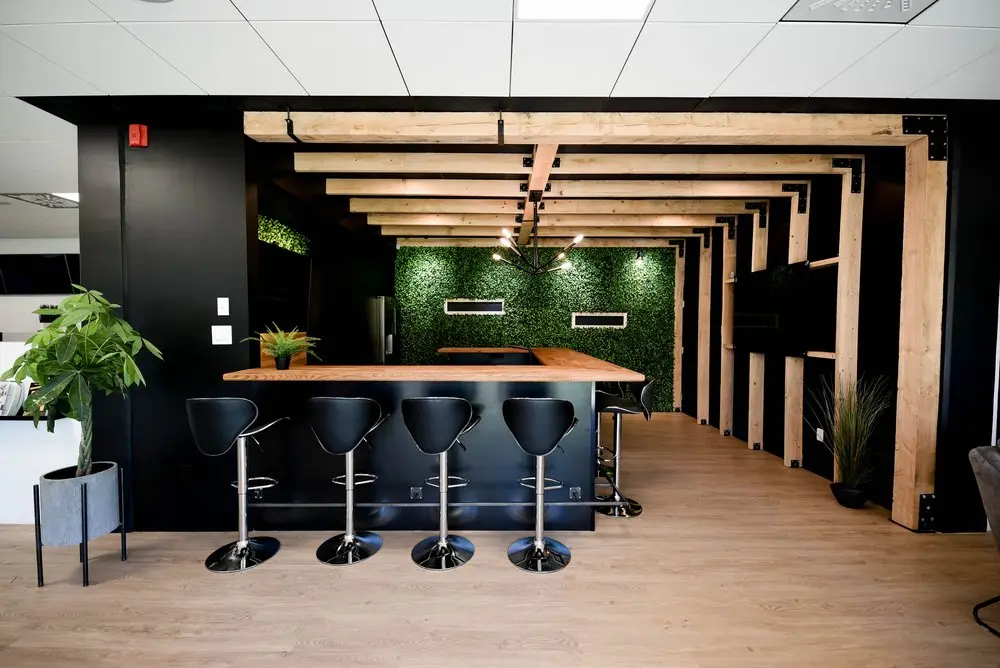
2727 Coworking space, 2727 Saint-Patrick, Montreal
How to Know If You've Outgrown Your Home Office
Before breaking this down by business size, here are the signs that show up regardless of how many people you employ.
Space and logistics friction. This is the most literal version of "outgrown;" inventory, files, or equipment spilling out of a closet and onto the dining table, a spare bedroom that used to be a guest room now permanently doubling as a shipping station. It's the easiest sign to notice and the easiest to underestimate, because it creeps in a box at a time rather than arriving all at once.
Focus and boundary friction. The line between "at work" and "at home" erodes fast when they're the same room. Miscommunication and coordination breakdowns alone cost US businesses an estimated $1.2 trillion a year, or roughly $12,506 per employee annually. Business leaders in that same study reported losing nearly a full workday (7.47 hours) per week to poor communication, and 74% admitted their company underestimates what that actually costs[4]. What separates that outcome from a well-functioning setup isn't really about location: a large-scale randomized study out of Stanford found employees on a structured hybrid schedule (two fixed remote days a week, set by the employer, not left to chance) were just as productive and as likely to be promoted as full-time in-office peers, while cutting resignations by 33%[5]. The common thread in both findings is structure: teams that build deliberate systems around where and how they work outperform teams that just let the arrangement happen by default, which describes most home offices.
Professional credibility. There's no rigorous independent research proving that a home address damages client perception, but the market has clearly decided this matters: more than 70% of businesses now use some form of flexible workspace, according to industry adoption data[6]. If your business increasingly involves other people (i.e. clients visiting, hires walking in for interviews, vendors sending mail) a kitchen-table setup starts to be a visible signal, not just a private inconvenience.
Cost creep; and the stacking test. A home office is rarely as free as it looks once you count what it's actually replacing: a standard homeowner's policy typically excludes business liability and equipment, so a rider or separate policy becomes necessary the moment the work gets serious[7], and running a registered business from a Quebec home comes with its own zoning and address-disclosure obligations (the solo section below breaks out the actual dollar figures). The signal worth watching isn't any single line item. It's the total: once a storage unit, an insurance rider, and the day passes or coffee-shop tabs it takes to get real work done outside the house start adding up, that stack is often already close to what a dedicated space would cost outright.
Isolation. This one is easy to underestimate because it doesn't show up on an invoice. More than 1 in 10 Canadians aged 15+ report always or often feeling lonely; but among people living alone, that figure rises to 24%, more than double the 11% reported by people living with others[8], a comparison that lands squarely on solo home-office workers. It compounds as a business grows too: coordinating a first hire or a small team entirely through video calls loses something a physical room provides for free.
The test that cuts through all of this: none of these signs on its own means it's time to move. But when two or three of them are showing up in the same month, and the workarounds (storage, insurance, coffee-shop tabs, video-call-only hiring) are costing about as much as a dedicated space would, the decision has usually already been made. The only real question left is which size fits.
What "outgrown" requires next looks different for a solo consultant weighing a $35 mailbox against a $165 virtual office than it does for a 10-person team comparing a 5-desk configuration to an 8-desk one. The rest of this guide breaks that out by size; starting with the solo and 1-2 person case, then small teams of 2-4, then growing teams of 5-10. If you already know which one you are, jump straight to your section, or to the FAQ for quick answers on lease terms, tax treatment, and add-ons like meeting rooms.
Solo Consultants and Freelancers: Signs You Need More Than a Kitchen Table
If you're a solo consultant or a 1-2 person operation, "outgrown" rarely means you've run out of physical room. It usually means the home office is starting to cost you something less visible.
The Professional-Image Question
It's worth being honest about what's evidence and what's instinct here: no rigorous independent study directly ties working from a home address to lost client trust. What does exist is adoption data: industry sources report that more than 70% of businesses now use some form of flexible workspace[6], which suggests the market has largely already made this call, even without an academic paper to point to. Treat this one as a reasonable inference, not a proven fact: if you're increasingly sending clients a home address, or dialing into calls from a kitchen, ask whether that's the impression you'd choose on purpose.
Registration, Zoning, and Insurance Friction
This is the part of "outgrown" that's actually written into law, and it's specific to Quebec. Since March 31, 2023, a business's home address is public by default in the Registraire des entreprises du Québec (REQ) unless a professional address is declared instead, and that declared address has to be an actual place of work, not a P.O. box[9]. Running professional activity out of part of a home in Montreal also generally requires an occupancy permit or zoning compliance check from the city[10]. And insurance rarely follows you here by default: a standard homeowner's policy typically excludes business liability and equipment, meaning a rider or separate policy is needed the moment client work is genuinely underway[11].
Isolation and the Networking Cost
The professional case for leaving the kitchen table is only half of it; there's a personal one too. More than 1 in 10 Canadians aged 15+ report always or often feeling lonely, but among people living alone that figure climbs to 24%; more than double the 11% reported by people living with others[8], a comparison that describes most solo home-based workers directly. The same data shows why this matters beyond the number itself: close to half (49%) of people who report frequent loneliness also rate their mental health as fair or poor, versus just 7% of those who are rarely or never lonely[8]. Academic work on entrepreneur isolation specifically finds the same pattern: working alone removes the incidental relationships that used to happen around a shared workplace[12]. A UK review of self-employed workers found close to 30% call isolation a significant problem, though that data is UK-specific and offered here as supporting context rather than a Canadian figure[13].
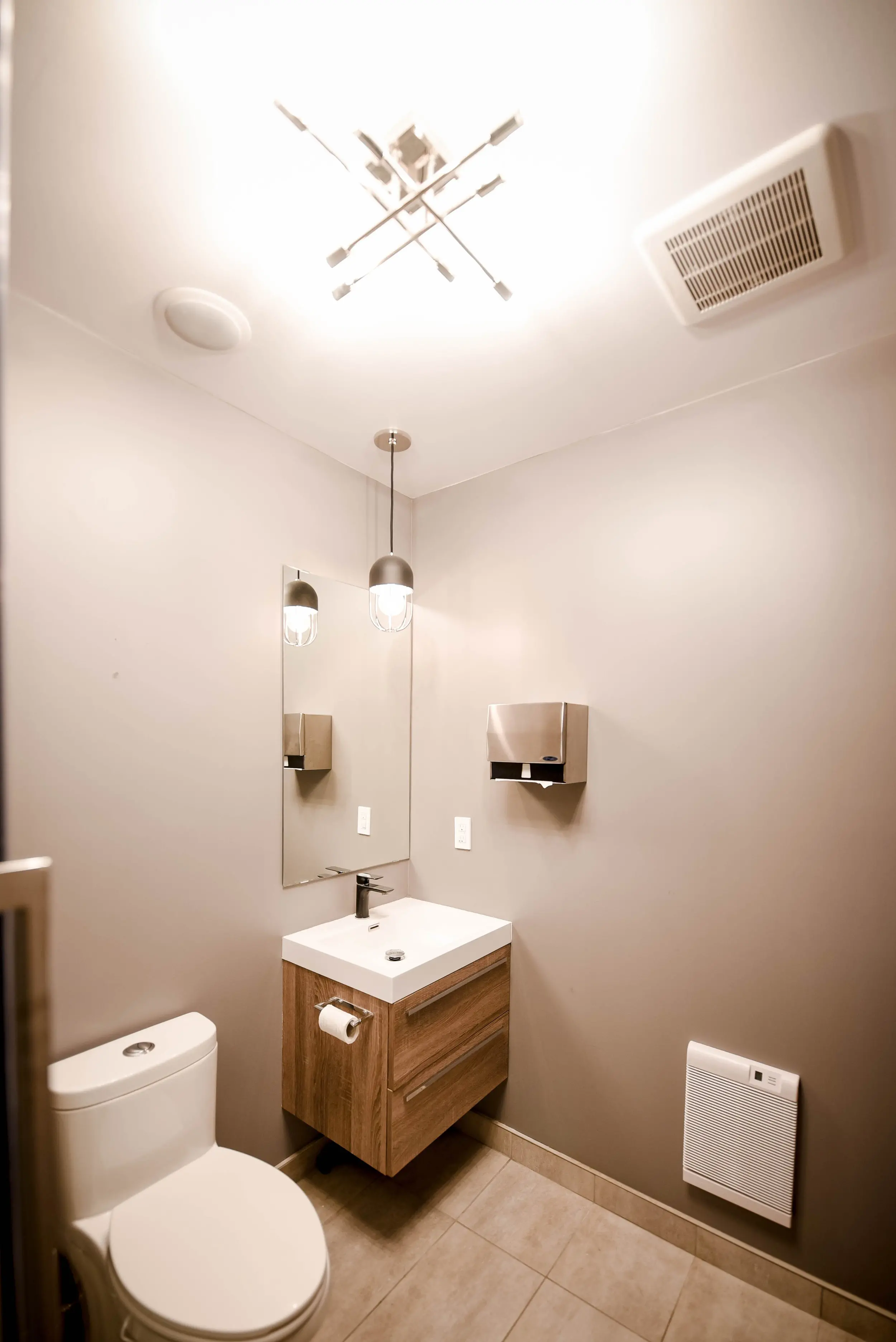
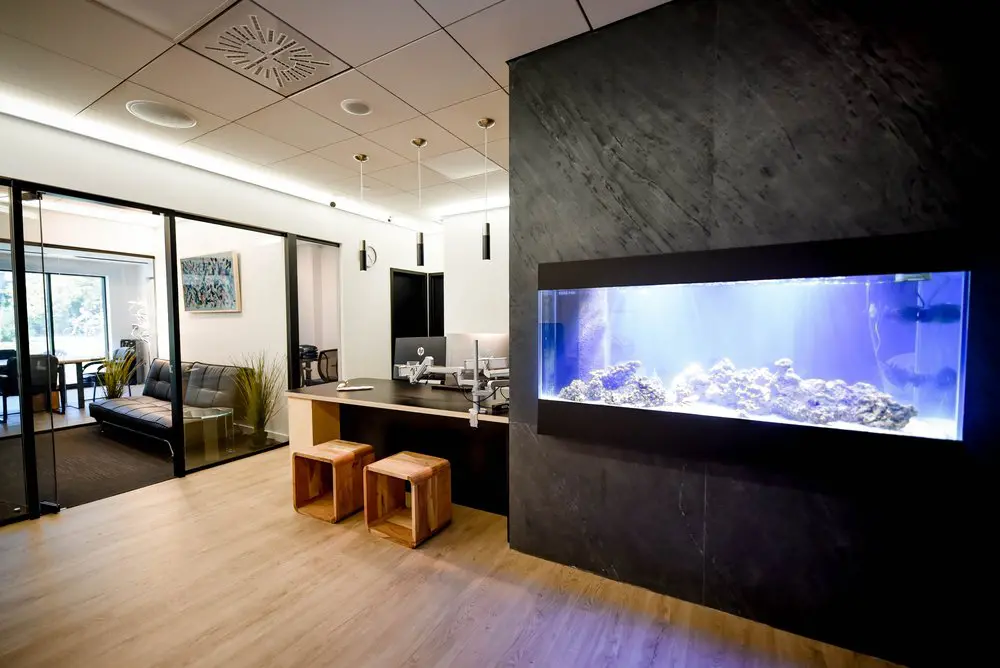
2727 Coworking space, 2727 Saint-Patrick, Montreal
The Real Cost of Working From Home as a Solo Consultant
"Free" is the wrong way to think about a home office once a business is real enough to need registration or insurance. A business owner's policy (the coverage Insureon's own licensed agents recommend over a standalone general liability policy, since it bundles liability and commercial property coverage at a better combined rate) averages $58 per month for a home-based business, or roughly $696 a year, with actual annual premiums ranging from about $300 to over $2,900 depending on coverage limits and risk[14]. That cost doesn't disappear by virtue of working from home instead of a commercial space: a standard homeowner's policy simply doesn't cover client-facing liability or business equipment at all, so this is new spend, not a substitute for something already being paid.
The zoning and registration side isn't free either, and here it's not just time; it has real, published costs. Montreal charges $263 (taxes included) just to process and issue the occupancy permit required to run a business out of part of a home[10], and that permit is voided, requiring a fresh application and a fresh $263, if the operator changes, the activity changes, or the premises change. On the registration side, Quebec's REQ rule adds an ongoing obligation, not a one-time form: a business that declares a professional address instead of its home address has just 30 days to update it if it stops being valid, or its home address gets published by default[9].
Stack these together and the home office's real monthly cost looks less like zero and more like $58+/month in insurance alone, on top of a $263 one-time permit fee and an address-declaration obligation that has to be actively maintained, not just filed once. That's worth holding up against the $35/month Mailbox tier covered next: a mailbox doesn't remove the insurance requirement (that's a function of doing client work, not of having an address) but it does resolve the registry-address and occupancy-permit questions directly, for less than the insurance premium is already costing on its own.
One honest gap worth naming: there's no solid Quebec-specific data on how much a home office actually adds to utility costs from running a business day-to-day out of an apartment or house. Rather than force a number that doesn't hold up, it's fairer to treat that as a real but unquantified cost on top of the insurance and registration figures above.
From Home Office to Business Address; Mailbox, Virtual Address, and Virtual Office
The REQ's professional-address rule is the anchor reason this decision matters legally, not just cosmetically: since March 2023, a Quebec business's home address is public by default in the registry unless a real professional address is declared instead[9]. A law-firm explainer on the same rule change confirms the practical upshot: this is now a live decision every Quebec sole proprietor and small corporation has to make, not a theoretical one[15].
Matching the Plan to the Need
The right product here depends entirely on what the friction actually is:
Mailbox ($35/month): covers the baseline need, which is a real, declarable business address for registration purposes. Nothing more than that.
Mailbox + Scanning ($85/month): the same address, plus mail scanned and sent digitally. Useful once physical mail pickup itself becomes the friction.
Virtual Address ($135/month): adds a business phone line to the address, for anyone whose personal cell number has started doubling as a business line.
Virtual Office ($165/month): the full version. Address, phone line, and occasional access to a meeting room for the handful of times a year an in-person client meeting is worth more than a video call.
The jump between these tiers should track a real, named need; not just "more is safer." A solo consultant who only needs to get off the public registry is genuinely done at $35/month.
Where to Go Deeper
This guide deliberately doesn't re-litigate the REQ rules or Quebec business registration process in full. That's the job of a dedicated comparison, coming soon as a companion guide to this one, and of the existing virtual office guide, which covers the legal and registration mechanics in depth. If the address-and-registration question above is the whole reason you're here, those are the better next stop; this guide's job is to tell you whether you need one of these tiers at all.
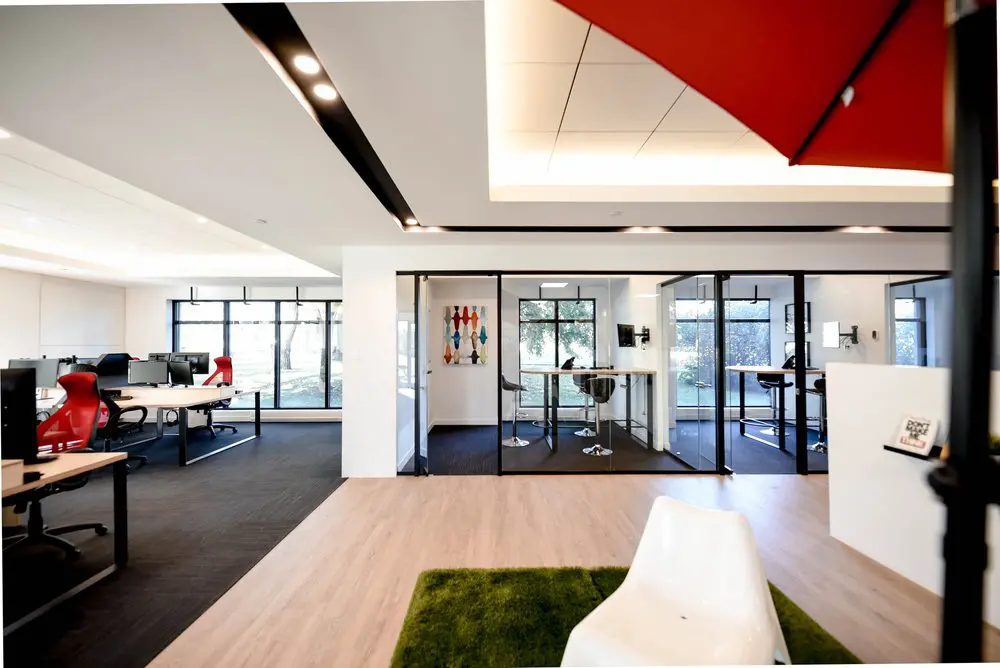
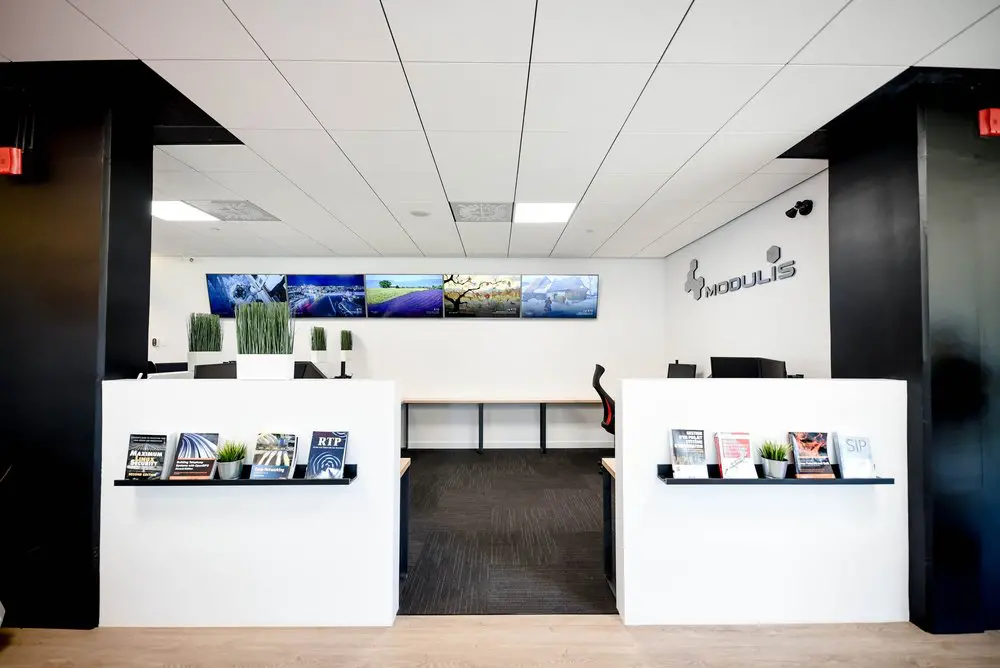
2727 Coworking space, 2727 Saint-Patrick, Montreal
When a Solo Consultant Needs Physical Space, Not Just an Address
Everything above assumes the actual friction is about your address, not your desk. Some solo consultants and freelancers hit a different wall: the address problem is solved, or was never the real issue, but working from home still isn't working; too many distractions, not enough separation between "on" and "off," or an occasional need to actually sit down somewhere else for a few hours.
That's a different product than a mailbox. A Hot Desk membership at roughly $350/month gives occasional physical access to a real workspace; useful for someone who doesn't need a desk every day, but does need somewhere to go a few times a week when the kitchen table stops working. It's worth being clear about the distinction: Mailbox-tier products solve an address problem; a Hot Desk solves a "I need to physically leave the house sometimes" problem. Plenty of solo consultants eventually need both, at which point a Virtual Office plus occasional day passes often ends up cheaper than assuming a desk is required just because the address question got solved.
If the pattern looks less like "occasional" and more like "most weekdays," it's worth reading the small team section below even at 1-2 people. Some of what's covered there about cost math applies earlier than the "team" framing suggests.
A Real Montreal Example: From Frequent Day Pass to a Private Office
This transition shows up often enough at 2727 that it's worth describing directly, without attaching it to anyone specific. A common pattern: someone starts out using day passes a couple of times a week; enough to get real work done outside the apartment, not enough to justify a full membership. Over a few months, "a couple of times a week" quietly becomes "most weekdays," and at that point the day-pass rate stops being the cheaper option. It's usually around then that a second person enters the picture too (a first hire, a co-founder, a regular contractor) and the question changes from "do I need a desk" to "do we need a room."
That's the point at which a 2-desk private office genuinely earns its cost over stacking day passes. It's not a dramatic jump: the same building, often the same floor, just a door and two chairs that are actually yours instead of whichever hot desk happens to be free. For a business at this stage, the honest test isn't "can I afford a private office." It's "am I already paying close to that much in day passes without the privacy, storage, or continuity a private office would give me instead." That's the version of "outgrown" this section is built around, and it's a genuinely common one, not a hypothetical.
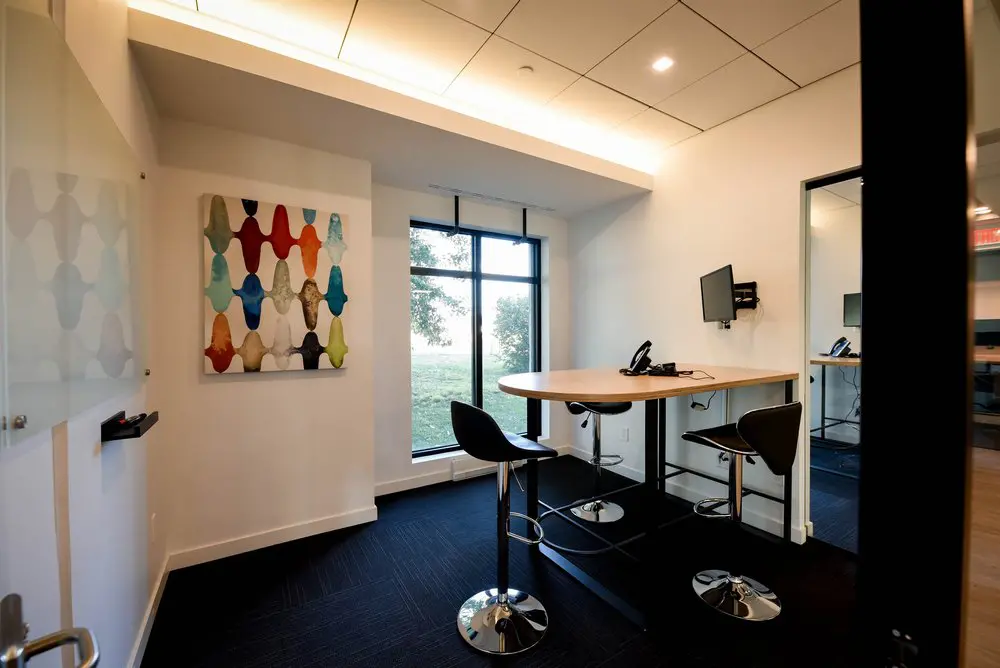
2727 Coworking space, 2727 Saint-Patrick, Montreal
Small Teams (2-4 People): Signs You've Outgrown Working From Home
At 2-4 people, the signs shift from personal friction to coordination friction. The most direct data point here is aggregate, not small-business-specific, but it's directionally useful: miscommunication and coordination breakdowns cost US businesses an estimated $1.2 trillion a year, or roughly $12,506 per employee annually, with 72% of business leaders in that same study saying their team struggled to communicate effectively over the past year[4], a figure drawn from large-organization data, offered here as a directional signal rather than a small-team-specific number. A large-scale Stanford study is a useful counterpoint here, even though it isn't small-team-specific either: a randomized trial of more than 1,600 employees found that a structured hybrid arrangement (two fixed remote days a week, set deliberately rather than left ad hoc) left productivity and promotion rates unchanged versus full-time office work, while cutting resignations by 33%[5]. The distinction that matters for a 2-4 person team: that result came from a deliberate, employer-set schedule, not from remote work happening informally and inconsistently, which is closer to what a small team spread across separate apartments and coffee shops usually has by default, with no shared anchor time built in.
The clearest sign specific to this stage: your first hire changes what a home office needs to do. One person working alone just needs a desk. Two or three people working together need somewhere to actually meet; a first hire debrief, a client call taken jointly, a whiteboard conversation that doesn't work over video. Coffee shops solve this occasionally and badly: no privacy for client calls, no reliable wifi, no guarantee of a table when you need one.
There isn't good Canada-specific data tying a precise headcount to the moment a business needs its first real office. That threshold is genuinely underexamined outside case-by-case anecdotes. Rather than force a stat that doesn't hold up, the day-pass-to-private-office pattern above does a better job of showing what this actually looks like in practice than a generic statistic would.
The Cost Math: Coffee Shops and Home Offices vs. a Dedicated Small Office
It's worth being upfront about the shape of this section: there's no independent, third-party data breaking down the real cost of coffee shops and home offices versus a dedicated small office in Montreal specifically. The cleanest version of this comparison (day pass, hot desk, dedicated desk, private office) traces back to 2727's own published pricing, which is a legitimate thing to cite directly, just not something to dress up as independent market research[16].
What outside data does exist points the same direction. A roundup of five well-known Montreal coworking spots puts day-pass pricing between $14.99 (Anticafé) and $30 (Montreal CoWork), with a couple of proper coworking spaces (IDEAL, MetSpace) landing right in the middle at $20/day[17]. That's a real, independent range, though worth flagging as dated (the roundup is from 2022) and limited to day-pass rates only. It says nothing about dedicated-desk or private-office pricing. On the broader trend, CBRE has tracked flexible office space growing from a niche product to a meaningful share of the market: as of a 2019 baseline, flex space accounted for just 1.8% of office inventory across 40 major US markets (71 million sq ft), a figure CBRE projected would reach roughly 13% (about 600 million sq ft) by 2030[18], a US-market, multi-year-old baseline, but it shows the same direction the rest of this guide's more recent sources confirm. More current market sizing bears that out: the global flexible office market is valued at $48.33 billion in 2025, projected to reach $56.04 billion in 2026 (16% CAGR) and $100.4 billion by 2030 (15.7% CAGR), with North America named as the largest single region, though the report doesn't break out a North America-specific dollar figure[19].
Run the actual math for a 2-4 person team, using the conservative middle of that day-pass range ($20/day, the IDEAL/MetSpace tier, rather than the $30 high end) rather than reaching for the biggest number available: two people using day passes roughly 20 weekdays a month runs about $800/month combined; three people running the same pattern runs about $1,200/month. Compare that to a dedicated 2-desk office starting at $900–$1,300/month, or a 3-4 desk office at $900–$2,500/month, and the crossover is clear well before a team hits four people; by the time a third person is regularly buying day passes, the team is already paying office-lease money without getting an office, before even counting the lost privacy, storage, and continuity a private office provides for free.
2727 Coworking space, 2727 Saint-Patrick, Montreal
Matching a Small Team to the Right Office Size in Montreal
Once the math points toward a dedicated office, the remaining question is sizing it correctly rather than defaulting to whatever's available.
At 2727, a 2-desk office runs roughly $900–$1,300/month; the right fit for a founder-plus-one setup, or a solo consultant who's just brought on a first regular contractor or co-founder and needs a door more than a desk count. A 3-4 desk office runs roughly $900–$2,500/month, suited to a team that's past the "just the two of us" stage and needs room for a client chair or a part-time hire without everyone sharing a single surface.
The mistake worth avoiding here is sizing for today's headcount only. A team that's just hired its second person and expects a third within the year is often better served locking in the 3-4 desk range now rather than re-negotiating a move in six months; moving costs (time, disruption, re-establishing a mailing address) are real even when they don't show up on a price sheet. On the other hand, a team that's genuinely capped at 2-3 people for the foreseeable future has no reason to pay for headroom it won't use.
If your team is heading past 4-5 people, the calculus changes again: at that point it's worth reading the growing team section below, where a traditional commercial lease starts to become a real (if usually worse) alternative.
Growing Teams (5-10 People): Signs Your Current Setup Isn't Working
By 5-10 people, "outgrown" usually isn't ambiguous anymore; a scattered team of remote workers or a too-small shared office starts costing real coordination and culture, not just convenience. The data on what's actually happening at this stage points in two directions that are both true at once, and a growing team needs to plan for both.
The first is about performance. A Harvard Business Review study surveying more than 6,000 knowledge workers set out to find what actually distinguishes exceptional ("super") teams from average ones, testing more than 20 possible workplace amenities; everything from private meeting rooms to office gyms and free coffee. Only one factor consistently separated high performers from the rest: access to a quiet place to do focused, uninterrupted work. Members of superteams were 52% more likely than average teams to report having it[20]. Notably, the study found superteams were just as likely to be fully remote, hybrid, or fully in-person. The deciding factor wasn't where the team worked, but whether it deliberately protected time to think without interruption (dedicated focus blocks, meeting-free stretches, documentation that answers routine questions without pinging a colleague).
The second is about why people actually show up. CBRE's 2026 Global Workplace & Occupancy Insights survey (drawn from clients managing over 300 million square feet of office space globally) found that employees cite "collaboration with colleagues" (68%) and "in-person meetings" (58%) as their top reasons for coming into an office at all, while "better focus and concentration" (52%) and "setting boundaries between work and home" (32%) rank lower[22]. Put simply: people don't commute in for quiet, they can get that at home, they come in for each other.
These two findings aren't in conflict so much as answering different questions. HBR is about what makes a team perform once it's assembled: protected focus time. CBRE is about what gets a team to assemble in the first place: connection. A growing team's office has to do both jobs at once, which is exactly the tradeoff the configuration section below works through between an open room and a cabin setup.
Onboarding is the other place this stage gets harder, and the numbers here are stark. Peer-reviewed research on onboarding found that even before the shift to remote work became common, only 12% of new employees strongly felt their organization did a good job onboarding them, and poor onboarding costs US and UK companies a combined $37 billion annually[21]. The same research found that a structured onboarding program makes new hires 69% more likely to stay with the company, which matters given that losing an employee costs roughly a third of their annual salary in lost knowledge, interview time, and re-recruiting, per SHRM estimates cited in the same study[21]. A 5-10 person team hiring regularly and still running onboarding purely over video calls is recreating the exact conditions that research flags as highest-risk: vague expectations, no organic relationship-building, and feedback nobody can calibrate remotely.
Put together, these are the signs worth watching for at this size: new hires who take noticeably longer to feel part of the team, a workspace that's either all-open (good for connection, bad for focus) or all-closed-off (good for focus, bad for connection) rather than built for both, and a sense that "company culture" is something people talk about rather than something people experience day to day. None of these are solved by simply renting more square footage. They're solved by the right configuration, which is what the rest of this section works through.
2727 Coworking space, 2727 Saint-Patrick, Montreal
The Cost Math: Coworking vs. a Traditional Commercial Lease in Montreal
A 5-10 person team is usually the first size at which a traditional commercial lease looks like a real option rather than an obvious overreach, which makes it worth pricing out honestly, not just assuming coworking wins.
Start with commitment risk. Article 1863 of Quebec's Civil Code sets the actual rule: nonperformance of an obligation by either party entitles the other only to apply to the courts; for damages, for specific performance, or, where the nonperformance causes serious injury, for resiliation of the lease[23]. There's no self-help unilateral exit built into the law; a tenant that wants out of a struggling lease has to go through the court process regardless of how the lease itself is worded. Two independent legal explainers confirm the practical effect of this: Stikeman Elliott's overview of the Code's "hidden" lease provisions[24], and a Lexology/Gowling WLG explainer covering the same ground[25], both describe a Quebec commercial lease as considerably harder to exit early than the flexible terms coworking members are used to.
Then there's the up-front cost of actually building a traditional office out. Cushman & Wakefield's 2026 fit-out cost guide puts Montreal's hard construction cost at $190.28 per square foot; down slightly from $201.17 the prior year, and cheaper than Toronto ($204.45/psf) or Vancouver ($199.12/psf), though more than Calgary ($181.10/psf)[26]. That $190.28 figure, though, is hard construction cost only. It doesn't include soft costs, low-voltage cabling (IT, A/V, security), or furniture, fixtures, and equipment, which the same guide breaks out separately. Using Cushman & Wakefield's own worked example for Toronto as a proportional guide (a hard cost of $202.40/psf becomes an "all-in" cost of $306.68/psf once those categories are added; roughly a 52% uplift), a comparable all-in figure for Montreal would land somewhere in the $280–$290/psf range, though Cushman & Wakefield doesn't publish that exact Montreal breakdown, so this is a reasonable estimate, not a quoted figure.
Run the math for a 10-person office at roughly 2,000–2,500 square feet: hard-cost-only fit-out runs $380,000–$475,000, and a more realistic all-in cost (construction plus IT, A/V, and furniture) likely runs closer to $575,000–$720,000; before a single month of rent. A coworking membership simply doesn't carry that cost, since the space is already built.
The broader market context makes the traditional-lease case even less compelling right now, though it's worth being precise about what's actually improving. Nationally, CBRE reports Canada's office market saw a second consecutive year of positive net absorption in 2025 (2.2 million sq. ft.), the national construction pipeline at a multi-year low, and sublease space falling to levels last seen in 2017[3]; genuine signs of a market working through its oversupply, not one that's already tight. Montreal specifically: Colliers' Q4 2025 report shows the city's vacancy easing from 18.1% a year earlier to 17.0%, with availability at 18.8% and Q4 net absorption of +160,018 square feet; enough to break a streak of several consecutive quarters of demand contraction, though not itself a full year of sustained positive absorption[27]. Downtown Montreal improved the most (vacancy down to 16.1%), while the suburban Class A segment remained softer, at roughly 21.7% vacancy. Even with that improvement, a landlord in this market has no shortage of alternatives to a 10-person tenant locking into a multi-year term.
The honest caveat here: Colliers' 17.0% vacancy figure and CBRE's 18.3% figure, cited above, differ by more than a point; a normal outcome of different methodologies and submarket definitions across commercial real estate data providers, not a sign either is wrong. This guide uses CBRE as the primary figure, consistent with the rest of the site, without trying to force the two numbers into false agreement.
Matching a Growing Team to the Right Office Configuration
Montreal's overall office vacancy sits at 18.3% as of Q4 2025 (downtown vacancy at 17.8%, suburban at 19.2%) with Class A vacancy specifically at 15.1% and average Class A net rent at $22.69 per square foot[3]. It's worth flagging directly: this corrects the 18.5–19.8% range cited in 2727's existing Montreal coworking guide, which is close but not exact: 18.3% is the current, accurate figure from the same CBRE source.
That backdrop matters because it shows a growing team genuinely has options: vacancy this high means landlords are motivated, and flexible operators are absorbing demand that traditional leases used to hold by default. Within that context, sizing the right configuration comes down to a real, sometimes counterintuitive tradeoff. At 2727, a 5-desk-plus-cabins configuration runs roughly $2,375–$2,500/month, while an 8-desk open room runs $2,000/month flat, and a 10-desk configuration runs $4,000/month. Doing the actual per-desk math makes the tradeoff concrete: the 8-desk open room works out to roughly $250/desk/month, versus roughly $475–$500/desk/month for the 5-desk-plus-cabins setup; the cabin configuration costs close to double per desk, for meaningfully less total capacity.
That price gap is exactly where the two findings from the signs section above earn their keep, because they point in different directions depending on what a specific team actually needs. If protected, focused work is the bottleneck (the HBR finding that superteams were 52% more likely to have access to a quiet workspace, regardless of where the team was based[20]) a team doing confidential client work, deep technical work, or anything requiring sustained concentration has a real case for paying the cabin premium. If connection and visibility are the bottleneck instead (CBRE's finding that employees cite collaboration (68%) and in-person meetings (58%) as their top reasons for coming in at all, ahead of focus and concentration (52%)[22]) a team that's hiring regularly and still building shared culture and onboarding norms is usually better served by the open room[21], and gets it at roughly half the per-desk cost besides.
Put plainly: there's no universally "correct" configuration at this size (a sales or creative team leans open room, a legal, finance, or client-confidential practice leans cabins) but the decision is worth making deliberately, based on which of the two forces (focus or connection) is actually the team's binding constraint, rather than defaulting to whichever configuration happens to be available.
Either way, the comparison to a traditional lease from the section above still holds: both 2727 configurations sit well under the effective monthly cost of financing a $380,000–$475,000+ hard-cost fit-out (more once soft costs and furniture are counted) on a multi-year commitment, in a market where 17-18% vacancy means that commitment buys less certainty than it used to.
2727 Coworking space, 2727 Saint-Patrick, Montreal
Frequently Asked Questions
How do I know I've actually outgrown my home office, versus just having a bad day?
Look for a pattern, not a moment: recurring focus friction, a sense that your address or setup is undermining professional credibility, costs (insurance, zoning, lost time) that keep creeping up, or isolation that's become a real drag rather than an occasional feeling[8]. If it's showing up most weeks, not most bad days, it's worth reading the section for your business size above.
Is coworking actually cheaper than a home office once everything's accounted for?
Not always in raw dollars; a home office has genuinely low direct cost. But once insurance riders[14], registration obligations[9], and lost coordination time[4] are counted, the comparison gets much closer than the sticker price suggests. See the cost math sections for each business size above.
Do I need a business address even if I only work with clients remotely?
In Quebec, yes if you're registered: since March 2023, your home address is public in the REQ registry by default unless you declare a professional address instead[9]. A Mailbox at $35/month satisfies this without requiring any physical desk space.
What's the difference between a Mailbox and a Virtual Office?
A Mailbox just gives you a declarable business address. A Virtual Office ($165/month) adds a business phone line and occasional meeting-room access on top of that address. Most solo consultants start at the tier that matches their actual need, not the top one; see Matching the Plan to the Need above, or the upcoming dedicated tier-comparison guide for the full legal detail.
I'm a solo consultant. Do I need a desk, or just an address?
It depends on which friction you're actually feeling. If the issue is registration and credibility, an address-only product is usually enough. If you need somewhere to physically go a few times a week, a Hot Desk (~$350/month) is the better fit; see the distinction laid out above.
How do I know when day passes stop making sense for a small team?
Once two or three people are using day passes most weekdays, the combined cost often approaches $600–$1,000+/month; close to or above a dedicated 2-desk office starting at $900/month, without the privacy or continuity a private office provides.
What size office does a 2-4 person team actually need?
A 2-desk office ($900–$1,300/month) fits a founder-plus-one setup; a 3-4 desk office ($900–$2,500/month) fits a team expecting to add a third or fourth person soon. See Matching a Small Team to the Right Office Size for the full breakdown.
Is it worth signing a traditional commercial lease instead of coworking once we hit 5-10 people?
Usually not, once the full picture is priced out: Quebec commercial leases are hard to exit early under the Civil Code[23], fit-out alone can run $380,000–$475,000 for a 10-person space at current Montreal rates[26], and Montreal's 17-18% vacancy means better flexible alternatives exist right now[3]. See The Cost Math above for the full comparison.
For a growing team, is a bigger open room or a cabin configuration better?
It depends on what your team needs more: an 8-desk open room is cheaper per desk ($2,000/month total) and suits teams that benefit from visible togetherness, while a 5-desk-plus-cabins setup (~$2,375–$2,500/month) suits teams doing confidential work or that need protected focus space[20]. See Matching a Growing Team to the Right Office Configuration above.
What are the actual lease terms and notice periods for a 2727 office?
Exact notice-to-vacate and cancellation terms are governed by the lease agreement provided at booking; contact [email protected] for the current terms for your specific configuration before signing.
Conclusion
"Outgrown" isn't one signal; it's a different combination of signals depending on where your business actually is. For a solo consultant, it's usually about a business address and the quiet cost of isolation, solved for as little as $35/month. For a small team of 2-4, it's about the moment coordination and client-facing work outgrow a coffee shop, where a private office starting at $900/month often costs the same as the day passes it replaces. For a growing team of 5-10, it's a genuine build-versus-lease decision, one that current Montreal vacancy rates and fit-out costs increasingly tilt toward flexible space over a traditional commitment.
None of these are really about company size in the abstract. They're about which specific frictions from this guide you actually recognize. If more than one section rang true, that's normal; businesses don't always move through these stages cleanly, and the products at 2727 Coworking in Griffintown are built to be moved between as the answer changes, not locked in once and left. The pricing page has current details for every tier mentioned above, from a $35 mailbox to a 10-desk office; and the team is available at [email protected] for anything specific to your situation that this guide didn't cover.
2727 Coworking space, 2727 Saint-Patrick, Montreal